
Engines and Gearboxes
3UZ Engine in the Lexus LS430: Specs, Common Problems, Reliability and Buying Checks in SA
Drikus · 1/22/2026 · 12 min read
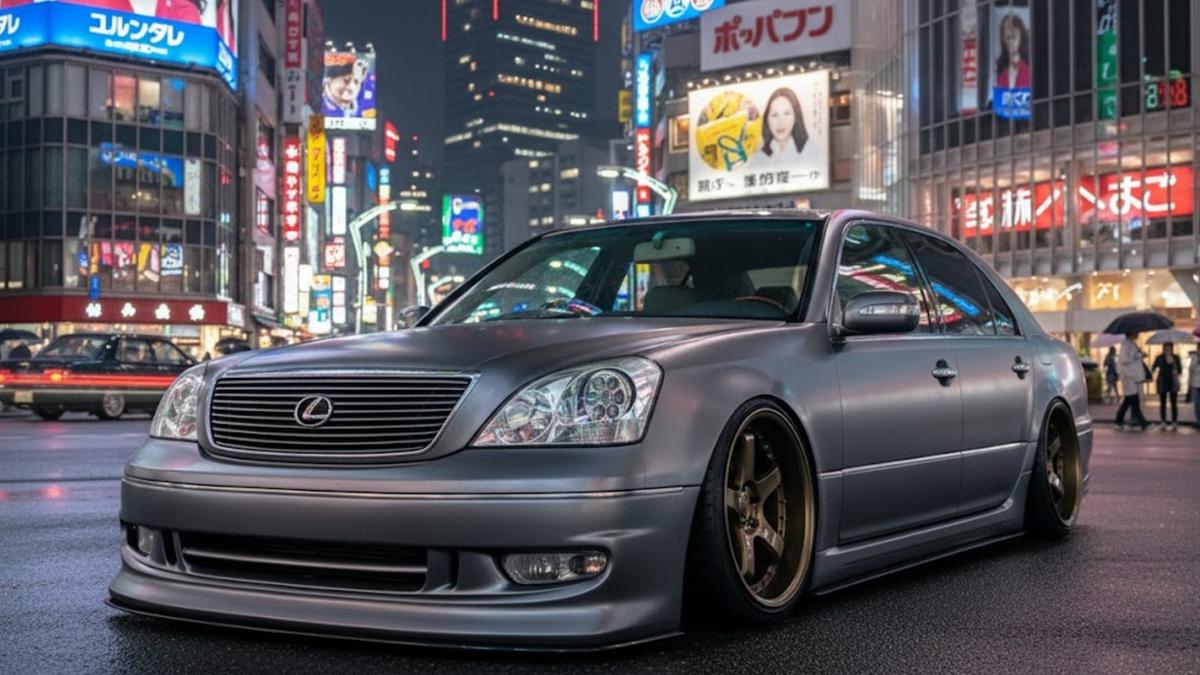
3uz engine owners and buyers in South Africa need clear, practical information before investing in a used, rebuilt or imported replacement. This guide explains what the 3uz engine is, its specs, common failure points, buying checks, sourcing options and maintenance strategies for reliable long-term use.
These numbers are useful when checking part numbers, ECU compatibility and gearing—especially if sourcing imported engines or gearboxes. According to Lexus factory data, output varied by market due to emissions settings and fuel calibration. For South African buyers, ask sellers for original engine codes and dyno prints where available.
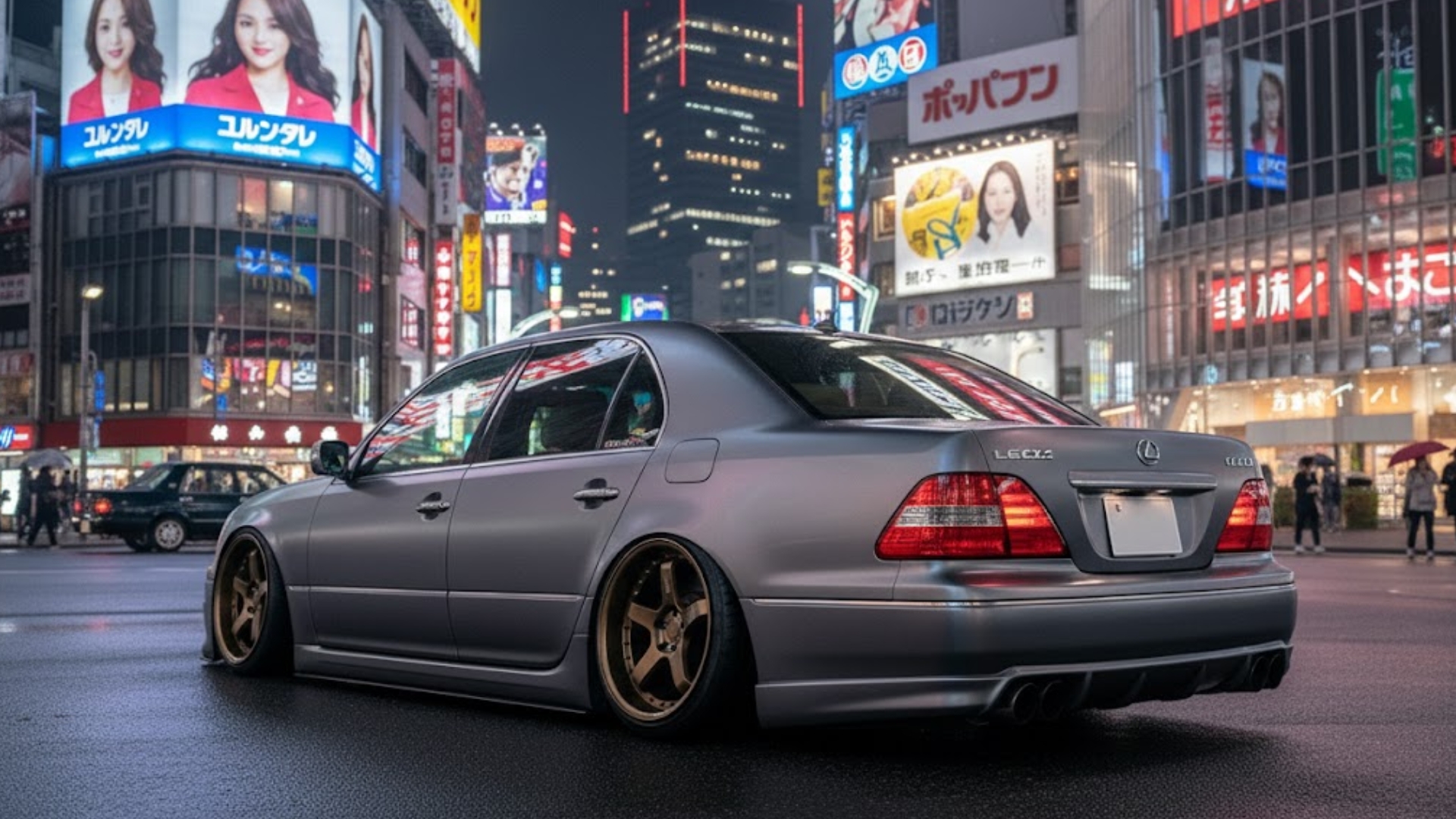


What exactly is the 3uz engine and which cars used it?
The 3uz engine refers to the 3UZ-FE, a 4.3-litre naturally aspirated V8 built by Toyota/Lexus. It powered luxury platforms such as the Lexus LS430 and certain Toyota Crown and Lexus GS models. The 3uz engine earned a reputation for smoothness, low vibration and a strong torque curve for its displacement. According to Wikipedia, the 3UZ-FE family was produced in the early 2000s and featured aluminium construction and modern engine management for its time (see the Lexus LS page for context: Wikipedia - Lexus LS).What are the key specifications of the 3uz engine?
Understanding spec numbers helps when comparing donor engines, rebuilt blocks, or stripped spares. Below is a concise breakdown of typical factory specifications for the 3UZ-FE V8:| Specification | Typical Value |
|---|---|
| Displacement | 4.3 L (4,287 cc) |
| Configuration | V8, aluminium block & heads |
| Valvetrain | DOHC, 4 valves per cylinder, VVT-i |
| Power (approx) | 280–300 hp (market dependent) |
| Torque | ~420 Nm (market dependent) |
How reliable is the 3uz engine in the Lexus LS430?
The 3uz engine is broadly regarded as a durable, long-lived powerplant when maintained properly. Many LS430 examples still run well past 300,000 km with scheduled servicing. According to Lexus service records and owner forums, routine oil, cooling and timing-related maintenance are key contributors to longevity. That said, life expectancy depends heavily on oil-change intervals, cooling system condition, and whether the vehicle was regularly serviced with correct lubricants. In South Africa, fuel quality and long-distance bakkie/urban use patterns can affect wear—so inspect service history closely when buying a used engine or donor car.What are common problems and failure points to watch for?
Common issues on 3uz engines are usually maintenance-related rather than catastrophic manufacturing defects. Typical problem areas include:- Oil leaks from cam cover gaskets and front crank seal
- Water pump and thermostat failures leading to overheating
- Variable valve timing (VVT-i) actuator wear or oil-feed blockage
- Exhaust manifold cracks or gasket leaks on aging units
- Camshaft or lifter noise if incorrect oil grade or long oil intervals
How much does a used or rebuilt 3uz engine cost in South Africa?
Pricing varies by condition (stripped, running out-of-car, fully rebuilt), mileage and whether the engine is sourced locally or imported. Typical South African market ranges are:- Stripped 3uz engine (non-running, core): low-end budget option — price depends on availability
- Running used engine (tested, with ECU): mid-range cost, often preferred for straightforward swaps
- Rebuilt or remanufactured engine (warranty): premium cost but best for long-term reliability
Should I buy a stripped 3uz engine, a rebuilt block or a full replacement in SA?
Choice depends on your budget, intended vehicle use and mechanical capability. Stripped spares are economical for experienced mechanics who can rebuild locally; rebuilt engines reduce labour and risk but cost more. Full replacement (with gearbox and harness) is best for swap projects where time is money. Decision checklist:- Budget available for parts + labour
- Availability of trustworthy rebuilders or remanufacturers locally
- Whether you need a quick turnaround (running engines) or can wait for a rebuild
- Whether matching gearbox/ECU is required for your vehicle—especially for LS430 electronics
What checks should I do before buying a second-hand 3uz engine?
Always perform thorough checks whether buying locally or importing. Key pre-purchase inspections:- Compression test or leak-down report to assess internal wear
- Crankcase inspection for metal debris (bearing failure sign)
- Check for coolant contamination in oil and oil in coolant
- Verify engine number, ECU compatibility and immobiliser codes if purchasing a running engine
- Ask for service history and photos of timing components
Can I swap a 3uz engine into other cars or bakkies—what are the challenges?
Swapping a 3uz engine is feasible, but involves mechanical, electrical and legal hurdles. Mounts, transmission compatibility, driveshaft length, ECU and wiring loom adaptation, plus emissions and registration paperwork must be managed. Popular swap destinations include larger chassis bakkies and custom builds where V8 torque is desired. Common swap challenges:- ECU immobiliser matching and engine management mapping
- Custom motor mounts and cooling upgrades
- Transmission matching: many buyers combine 3uz engines with compatible Lexus/Toyota gearboxes
- Exhaust routing and catalytic converter compliance for roadworthiness
Where can I source quality 3uz engines, gearboxes and spares in South Africa?
Reputable sources include specialist engine importers, dismantlers and shops that focus on Japanese engines and gearboxes. When sourcing in South Africa, look for suppliers who offer nationwide delivery, tested engines and transparent warranty terms. Helpful sourcing options:- Local dismantlers and yards that supply stripped spares and used motors
- Engine importers who handle shipping and customs clearance for Japanese engines
- Specialist rebuilders who can provide remans with warranty
How can I maintain a 3uz engine to reach 300k+ km?
Good maintenance practices extend engine life dramatically. For the 3uz engine, follow these core points:- Use manufacturer-specified oil grades and change intervals (don’t stretch intervals)
- Replace timing-related parts at recommended intervals—water pump, belts/chains where applicable
- Keep cooling system clean and replace coolant periodically to prevent cavitation and head gasket stress
- Use quality filters and replace spark plugs and ignition components on schedule
How do warranties, testing and nationwide delivery affect buying decisions?
Warranties and testing can justify paying a premium for a rebuilt or tested running engine. A tested running motor with a short warranty reduces immediate risk, while remanufactured units with longer warranty terms cost more but bring peace of mind. Points to check:- What is the warranty period and what does it cover (labour vs parts)?
- Is the engine pressure-tested, and is a compression/leak-down report provided?
- Does the supplier offer nationwide delivery and do they handle crate and packaging?
How to choose between Japanese and German engines or alternative V8s?
Choice depends on vehicle fitment, parts availability and cost. Japanese engines like the 3uz are favoured for reliability and abundance of stripped spares from Japan. German engines may offer different performance characteristics but can be costlier to source or repair in South Africa due to parts pricing. Comparison tips:- Check parts availability locally and import lead times
- Compare reman/warranty options between suppliers
- Consider long-term maintenance costs, not just upfront purchase price
Final checklist: buying a 3uz engine in South Africa
Before finalising any purchase, run this final checklist to reduce risk:- Obtain engine number and confirm it matches paperwork
- Request compression/leak-down test or a running video with cold/hot start
- Confirm ECU and immobiliser compatibility if purchasing a running engine
- Check warranty, test reports and return policy
- Confirm nationwide delivery costs and crating procedures
- Ask whether the supplier provides support for gearbox matching or wiring harnesses