
4JA1 Engine: Why This Isuzu Diesel Powerhouse Refuses to Quit
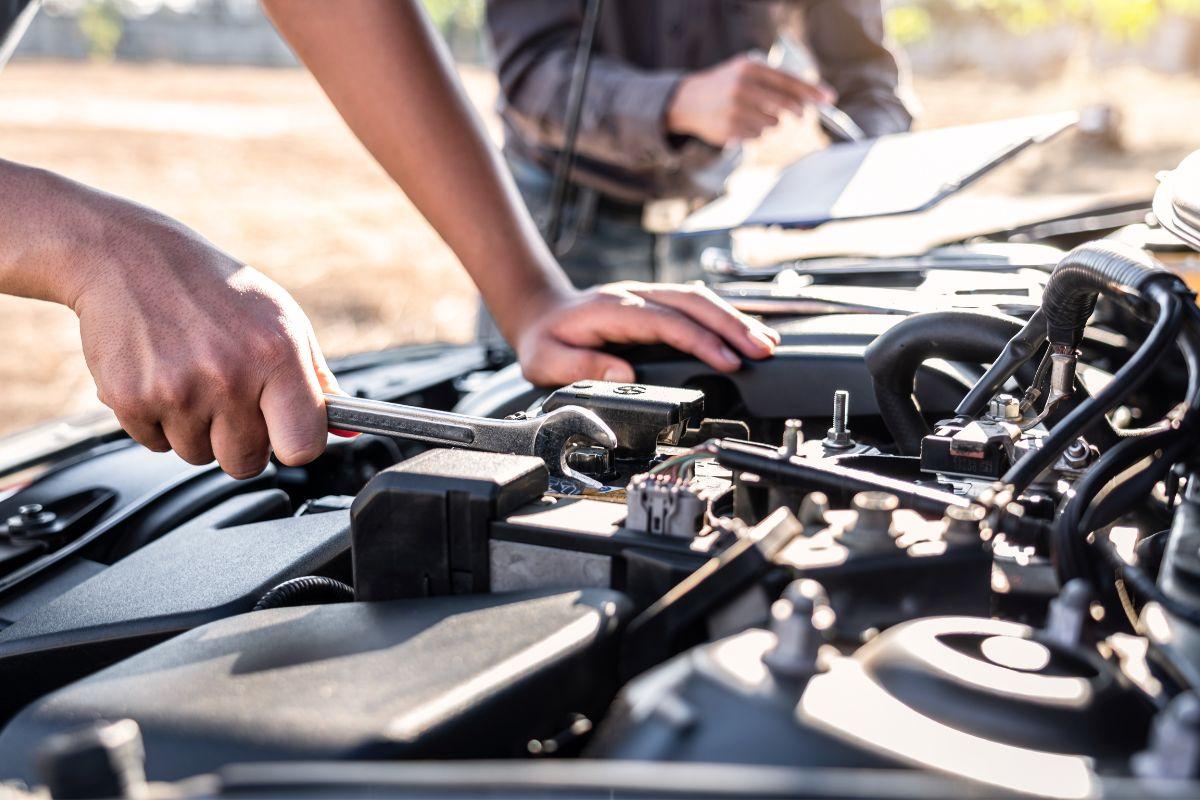
The 4JA1 engine has earned legendary status in the world of diesel powerplants. Known for its rugged reliability, ease of maintenance, and endurance under pressure, this 2.5L Isuzu diesel has become a go-to choice for bakkie owners, fleet operators, and off-road enthusiasts alike. In this article, we break down what makes the 4JA1 engine so special—and why it continues to dominate roads and job sites long after newer engines have come and gone.
What is the 4JA1 engine and where is it most commonly used?
The 4JA1 engine is a 2.5-litre, inline-4 diesel engine manufactured by Isuzu. It features a naturally aspirated or turbocharged setup, depending on the variant, and is widely used in Isuzu's KB series bakkies, pickup trucks, and utility vehicles. Known for its mechanical simplicity and minimal electronic interference, the 4JA1 engine is a favorite in rugged environments across Africa, Asia, and the Middle East. It has also been adopted in commercial and agricultural machinery due to its durability and long service intervals. You can browse engine variants for your vehicle on the Vehicles page.
What makes the 4JA1 engine so reliable?
The 4JA1 engine is revered for its reliability because of its basic, old-school design and high build quality. It doesn’t rely heavily on electronic components, which reduces the chances of failure in harsh conditions. It features a cast iron block and cylinder head, mechanical fuel injection, and minimal emissions tech—making it easy to repair and incredibly durable. Its low-compression diesel design also means it generates less internal stress, allowing it to rack up hundreds of thousands of kilometers with basic maintenance. These qualities have made it the powerplant of choice for fleet operators and off-roaders who demand performance without fuss.
How does the 4JA1 engine compare to newer diesel engines?
Modern diesel engines may offer better fuel economy and emissions control, but the 4JA1 engine beats them when it comes to durability and ease of repair. Most new engines are filled with sensors, turbochargers, EGR valves, and DPFs that can become expensive headaches over time. In contrast, the 4JA1 engine is mechanical and forgiving. While it may not deliver the same torque or refinement, it shines in environments where service networks are limited and fuel quality varies. Here’s a quick comparison:
| Feature | 4JA1 Engine | Modern Diesel Engine |
|---|---|---|
| Fuel Injection | Mechanical | Common-rail (electronic) |
| Turbocharging | Optional | Standard in most models |
| Maintenance Cost | Low | High |
| Repair Complexity | Simple | Complex |
| Longevity | 500,000+ km with care | 300,000–400,000 km |
What are the most common issues with the 4JA1 engine?
Although the 4JA1 engine is known for its robustness, it isn’t completely immune to wear. Some of the most commonly reported issues include:
-
Leaking diesel injector pipes
-
Timing gear wear in high-mileage units
-
Oil leaks from the rocker cover gasket
-
Minor overheating due to clogged radiators or weak water pumps
-
Glow plug failure in cold climates
The good news is that most of these problems are relatively cheap and easy to fix. If you’re sourcing replacement components, LM Diversity Spares stocks quality options—both new and pre-owned. Check out their listings via Used Car Parts.
How often should you service the 4JA1 engine?
Routine servicing is key to maximizing the lifespan of the 4JA1 engine. Its maintenance schedule is straightforward, with major intervals every 10,000 km. Here's a basic guideline:
-
Oil change: Every 5,000–10,000 km
-
Oil & fuel filter replacement: Every 10,000 km
-
Valve clearance check: Every 20,000 km
-
Coolant flush: Every 40,000 km
-
Timing inspection: Every 100,000 km
Because of its mechanical simplicity, you can even perform most of these tasks yourself with basic tools. Still, using quality filters and lubricants is essential. Explore New Car Parts for trusted replacement components.
Is it worth turbocharging a 4JA1 engine?
Turbocharging the 4JA1 engine can boost power output significantly, especially in high-altitude or towing applications. The 4JA1-T (turbo variant) is factory-tuned to handle boost, featuring oil-cooled pistons and beefed-up internals. If you’re considering an aftermarket turbo setup for a naturally aspirated version, it’s best to reinforce certain components and consult with a diesel performance specialist. Gains of 20–40% in horsepower are possible with the right tuning and cooling. However, longevity may be compromised if the turbo system is poorly installed. If you're hunting for turbo-compatible engine blocks, check Engine Imports for listings.
What vehicles are compatible with the 4JA1 engine?
The 4JA1 engine is most famously associated with Isuzu KB models, but it’s also been fitted to:
-
Isuzu Trooper
-
Isuzu Faster / TF series
-
Isuzu Panther (in Southeast Asia)
-
Opel Campo (rebadged Isuzu)
-
Local conversions into Toyota Hilux and Nissan Hardbody by enthusiasts
Its mechanical design and similar mounting points make it a popular swap candidate in older bakkies and even agricultural machinery. If you’re considering a conversion project, use the Spare Parts Form to confirm fitment details and compatibility.
Can the 4JA1 engine be rebuilt easily?
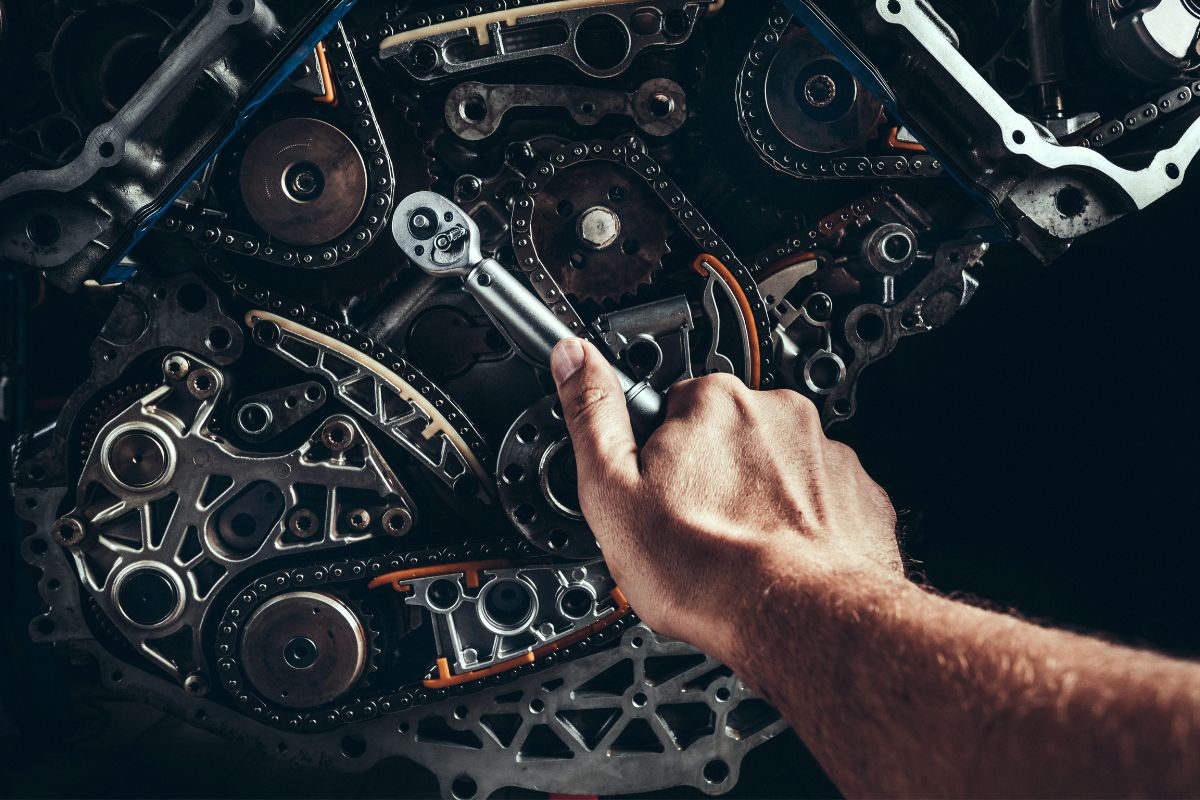
Yes, one of the reasons the 4JA1 engine is still so common is that it can be rebuilt affordably and with ease. Parts are widely available, and skilled diesel mechanics are familiar with the platform. A typical rebuild may include:
-
Pistons and rings
-
Bearings
-
Gaskets and seals
-
Timing gear
-
Injector overhaul
With quality parts and professional machining, a rebuilt 4JA1 engine can run like new for another 300,000 km. For a full selection of rebuild kits, check out what’s available in the LM Diversity Shop.
Why is the 4JA1 engine so popular across Africa?
The 4JA1 engine thrives in African markets due to its tolerance for poor fuel quality, limited reliance on electronics, and easy parts availability. Mechanics are familiar with it, parts are easy to find, and the engine itself handles tough terrain without complaint. Whether it’s being used in farming, construction, or daily commuting, the 4JA1 has built a reputation for dependability where other engines fail. Its performance in hot climates, dust-heavy environments, and high-mileage use makes it a favorite among fleet operators and rural drivers.
Where can I learn more or buy a 4JA1 engine?
If you’re in the market for a 4JA1 engine—complete or in parts—LM Diversity Spares has a strong track record of sourcing and supplying high-quality diesel powerplants. You’ll find both new and used options, with expert guidance to help match the engine to your vehicle. Whether you need a full rebuild, engine swap, or just routine maintenance, their team is ready to assist. Get in touch via the Contact Us page, or follow their Blog for diesel tips, updates, and new stock announcements. You can also explore the 4JA1 engine Wikipedia page for technical specs and historical info.
[/et_pb_text][/et_pb_column] [/et_pb_row] [/et_pb_section]