
4M40 Engine Guide: Mitsubishi 2.8 Diesel Turbo vs Non-Turbo and Fitment Checks

The 4m40 engine is Mitsubishi's 2.8-litre four-cylinder diesel used in vehicles such as the Pajero, Colt/L200, Delica and selected Canter models. South African buyers should confirm whether they need a turbo or non-turbo version, along with the gearbox, injection system and donor application.
The 4M40 has a displacement of 2,835 cc and uses a single-overhead-cam diesel design with swirl-chamber combustion.
Mitsubishi produced naturally aspirated and turbocharged versions. Turbo-intercooled variants commonly appear in Pajero and L200 applications, while naturally aspirated versions appear in selected commercial applications.
This guide explains 4M40 specifications, turbo differences, compatibility and replacement checks. Buyers can also review the Mitsubishi engine range from LM Diversity Engines.
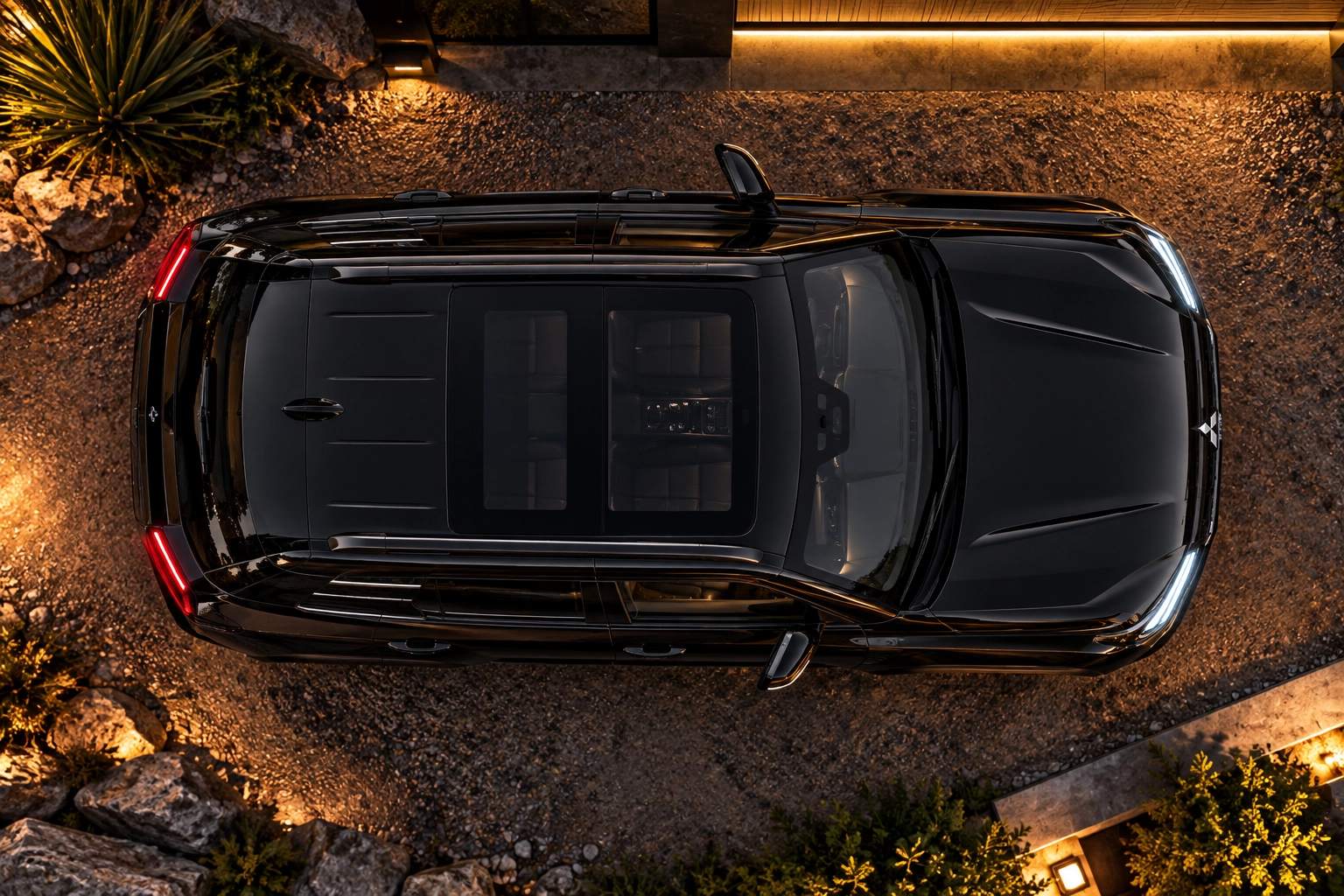
What Is the Mitsubishi 4M40 Engine?
The Mitsubishi 4M40 is a 2,835 cc four-cylinder diesel engine from the 4M4 engine family.
It uses a cast-iron cylinder block, single overhead camshaft and indirect diesel injection through swirl combustion chambers.
Mitsubishi used the engine in passenger, 4x4, bakkie, van and light-commercial applications.
The engine also uses balance shafts to reduce vibration from the large four-cylinder layout.
Mitsubishi 4M40 Engine Specifications
The basic 4M40 architecture uses a 95 mm bore, 100 mm stroke and 21:1 compression ratio.
Mitsubishi 4M40 2.8 diesel engine specifications | |
Specification | 4M40 Details |
|---|---|
Engine code | 4M40 |
Capacity | 2,835 cc / 2.8L |
Configuration | Inline four-cylinder |
Bore | 95 mm |
Stroke | 100 mm |
Compression ratio | 21:1 on documented versions |
Valvetrain | Single overhead camshaft |
Combustion | Swirl-chamber indirect injection |
Fuel system | Distributor-type diesel injection pump |
Aspiration | Naturally aspirated or turbocharged depending on variant |
Timing drive | Timing chain and gears |
What Is the Difference Between Turbo and Non-Turbo 4M40 Engines?
The main difference is the forced-induction system, but supporting components and vehicle applications can also change.
Turbo versus non-turbo Mitsubishi 4M40 comparison | ||
Feature | Non-Turbo 4M40 | Turbo 4M40 |
|---|---|---|
Capacity | 2,835 cc | 2,835 cc |
Aspiration | Naturally aspirated | Turbocharged, commonly intercooled |
Example output | 69 kW / 191 Nm on documented Canter 4M40-0A | About 92 kW / 292 Nm on common Pajero version |
Boost system | None | Turbo and intercooler hardware on applicable versions |
Typical application | Selected light-commercial vehicles | Pajero, L200/Colt, Delica and related 4x4 applications |
Direct interchange? | Do not assume | Do not assume |
The long block may share core architecture, but turbo hardware, manifolds, fuel calibration and external components can differ.
Which Mitsubishi Models Use the 4M40 Engine?
Mitsubishi used the 4M40 across several 2.8-litre diesel vehicle ranges.
Mitsubishi Pajero 2.8 diesel
Mitsubishi Colt 2.8 diesel in selected markets and specifications
Mitsubishi L200 / Triton 2.8 diesel in selected markets
Mitsubishi Delica / Space Gear 2.8 diesel
Mitsubishi Pajero Sport 2.8 in selected markets
Selected Mitsubishi Fuso Canter light-commercial models
Exact applications vary by market and year. Always identify the donor vehicle before buying a complete engine.
Does the Mitsubishi Pajero 2.8 Use the 4M40?
Yes. The second-generation Pajero is one of the best-known 4M40 applications.
The documented Pajero version uses a turbocharger and intercooler.
Its output is approximately 92 kW at 4,000 rpm and 292 Nm around 2,000 rpm.
Manual and automatic gearbox versions exist, so transmission type remains an important replacement check.
Does the Mitsubishi Colt or L200 Use the 4M40?
Yes. Selected Colt, L200 and Triton 2.8 diesel models use the 4M40 family.
South African replacement-engine listings include both turbo and non-turbo Colt 2.8 applications.
Do not assume a Colt engine matches a Pajero simply because both carry the 4M40 code.
Sump design, mounts, manifolds, turbo equipment and gearbox components can vary.
Does the Canter Use a Non-Turbo 4M40?
Yes. Mitsubishi Fuso documented a naturally aspirated 4M40-0A in selected Canter models.
This engine produces 69 kW at 4,000 rpm and 191 Nm at 2,000 rpm in the documented specification.
It uses a Bosch VE-type mechanical injection pump and does not use the Pajero's turbo and intercooler system.
This is an important example of why a 4M40 code alone does not guarantee complete compatibility.
Does the 4M40 Use a Timing Belt or Timing Chain?
The 4M40 uses a timing chain rather than a conventional timing belt.
Mitsubishi's workshop manual shows a camshaft timing chain working with the engine's gear and balance-shaft system.
The chain uses guides, a tensioning mechanism and dedicated timing marks.
Chain condition still matters on an older replacement engine even though there is no rubber timing belt to replace.
What Are Signs of 4M40 Timing-Chain Wear?
Timing-chain wear can produce abnormal mechanical noise and incorrect valve timing.
Rattle from the timing area
Excessive chain noise during cold starting
Persistent mechanical rattling
Difficult starting
Reduced performance
Incorrect injection or valve timing symptoms
Mitsubishi workshop procedures include a timing-chain clearance measurement and replacement limit.
Inspect the chain, sprockets, guides and tensioning components when the engine's maintenance history remains unknown.
Do All 4M40 Engines Use the Same Injection Pump?
No. Injection-pump specification differs between 4M40 versions.
Early and naturally aspirated versions commonly use mechanically controlled distributor-type pumps.
Some later turbocharged variants use electronically controlled distributor pumps.
Pump type affects wiring, throttle control, calibration and compatibility.
Can a Mechanical-Pump 4M40 Replace an Electronic-Pump Version?
Do not assume a mechanical-pump engine can directly replace an electronically controlled version.
The base engine may share major mechanical components, but the fuel and electrical systems differ.
The injection pump, wiring, sensors and vehicle controls must work with the receiving vehicle.
Confirm the original fuel-system configuration before buying a replacement.
Can Injection-Pump Problems Feel Like Engine Failure?
Yes. Injection-pump or fuel-delivery faults can cause hard starting, power loss and poor running.
Symptoms can also include smoke, unstable idle and poor throttle response.
Check fuel supply, injection timing, pump condition and injectors before condemning the complete engine.
Can 4M40 Injector Problems Cause Smoke or Hard Starting?
Yes. Worn or poorly spraying diesel injectors can affect combustion quality.
Possible symptoms include difficult starting, diesel knock, smoke and uneven idle.
Injector testing can help separate fuel-system problems from low compression or internal wear.
Can Turbo Problems Affect a 4M40 Engine?
Yes. A turbo fault can cause smoke, power loss and increased oil consumption on turbocharged 4M40 versions.
Inspect the turbocharger for excessive shaft play, damaged compressor components and oil leakage.
Also check the intercooler and boost hoses for leaks or oil accumulation.
A turbo problem does not automatically mean the base engine requires replacement.
Why Is Cooling-System Condition Important on a 4M40?
Cooling-system condition is important because severe overheating can damage any diesel cylinder head and head gasket.
Check the radiator, thermostat, water pump, cooling fan, hoses and coolant circulation.
Older Pajero and Colt vehicles may also have cooling-system components that have deteriorated with age.
Repair the original cause of overheating before installing a replacement engine.
What Are Signs of Cylinder-Head or Head-Gasket Problems?
Persistent cooling-system problems require proper diagnosis before replacing the engine.
Repeated coolant loss
Cooling-system pressure
Overheating under load
White exhaust smoke
Coolant contamination
Poor starting after severe overheating
These signs do not prove that the cylinder head has failed. Pressure-test the cooling system and confirm the actual fault first.
Can Glow-Plug Problems Cause Hard Starting?
Yes. Glow-plug and preheating faults can make a diesel 4M40 difficult to start when cold.
Check the glow plugs, relay, wiring and battery condition before treating cold starting as an internal engine problem.
What Other 4M40 Problems Should You Check?
Several external systems can create symptoms that resemble major engine damage.
Mitsubishi 4M40 symptoms and diagnostic checks | ||
Symptom | Possible Area | What to Check |
|---|---|---|
Hard starting | Glow system, fuel pump, injectors or compression | Test preheating, fuel delivery and compression |
Timing rattle | Chain, guides or tensioner | Inspect timing system |
Power loss | Fuel, turbo or intake problem | Check pump, boost and airflow |
Black smoke | Fueling or restricted airflow | Check intake, turbo and injectors |
Blue smoke | Oil consumption or turbo leakage | Inspect turbo and engine condition |
Overheating | Cooling-system problem | Pressure-test the cooling system |
Is the 4M40 the Same as the Mitsubishi 4M41?
No. The 4M41 is a different later Mitsubishi diesel engine.
The 4M40 has a 2,835 cc capacity, while common 4M41 versions use approximately 3.2 litres.
The 4M41 also uses a different cylinder-head design and later fuel-system technology.
Do not treat a 4M41 as a direct 4M40 replacement without planning a complete conversion.
Can a Pajero 4M40 Fit a Colt or L200?
Possibly, but the Pajero engine should not automatically be treated as a complete bolt-in Colt or L200 replacement.
The sump, oil pickup, mounts, manifolds and accessory brackets can differ between applications.
Turbo hardware, injection pumps and gearbox-side components also need comparison.
Match the donor engine to the receiving vehicle wherever possible.
Can a Non-Turbo 4M40 Replace a Turbo 4M40?
Do not assume a non-turbo 4M40 is a direct substitute for a turbocharged engine.
The turbo version uses different intake, exhaust, boost and fuel-delivery hardware.
Vehicle calibration and supporting cooling components may also differ.
For a standard replacement, match the original aspiration and injection specification.
Does the Gearbox Matter When Replacing a 4M40?
Yes. Gearbox type affects the flywheel, clutch, flexplate and transmission-side hardware.
Pajero 4M40 applications were available with both manual and automatic transmissions.
Colt, L200 and commercial applications can use different gearbox combinations.
Always provide the transmission type when requesting a complete replacement engine.
Does 4x2 or 4x4 Affect 4M40 Fitment?
Yes. Drivetrain configuration can affect the sump, mounts, gearbox and surrounding hardware.
A four-wheel-drive installation also needs to work with the transfer case and front-drivetrain arrangement.
Confirm 4x2 or 4x4 specification before ordering a complete engine assembly.
How Do You Identify the Correct 4M40 Replacement Engine?
Start with the 4m40 engine code, VIN and vehicle model. Then confirm turbo configuration, injection-pump type and gearbox.
Information needed when sourcing a Mitsubishi 4M40 replacement engine | |
Information | Why It Matters |
|---|---|
VIN | Helps confirm the original vehicle specification |
Engine code | Confirms the 4M40 family |
Vehicle model | Pajero, Colt, L200, Delica and Canter installations can differ |
Turbo specification | Separates turbo and naturally aspirated variants |
Injection pump | Mechanical and electronic versions differ |
Model year | Components changed during production |
Gearbox | Transmission-side hardware must match |
Drivetrain | 4x2 and 4x4 installations can differ |
The LM Diversity Engines Mitsubishi guide also recommends matching the model, year, engine size, fuel type, gearbox and engine code before purchase.
What Should You Check When Buying a Used 4M40 Engine?
Check both compatibility and mechanical condition before purchasing a used 4M40.
Confirm the 4M40 engine code.
Identify the donor vehicle.
Confirm turbo or non-turbo specification.
Check whether the injection pump is mechanical or electronically controlled.
Confirm the production year.
Confirm manual or automatic gearbox compatibility.
Confirm 4x2 or 4x4 fitment.
Listen for abnormal timing-chain noise.
Check engine-oil condition.
Inspect the cooling system and previous overheating signs.
Check the injection pump for leaks.
Inspect injectors and fuel delivery.
Inspect the turbo and intercooler on turbo versions.
Check compression where possible.
Compare the sump, mounts, manifolds and accessories.
What Should You Check Before Installing a 4M40 Replacement Engine?
Find the cause of the original failure before installing another 4M40.
Radiator and cooling system
Water pump and thermostat
Cooling fan and viscous coupling where applicable
Engine oil and filter
Timing chain, guides and tension components
Fuel filter
Injection pump
Diesel injectors
Glow-plug system
Turbocharger on turbo models
Turbo oil lines
Intercooler and boost hoses
Engine mounts
Clutch or flexplate
Gearbox connection
After installation, confirm oil pressure, coolant circulation and stable operating temperature.
Check injection timing, turbo boost where applicable, and the engine for fuel, coolant or oil leaks.
What Warranty Applies to an LM Diversity Engines 4M40 Replacement?
LM Diversity Engines currently states that its engines and gearboxes carry a three-month warranty.
The company also states that units receive quality checks before dispatch and compression testing where applicable.
LM Diversity Engines verifies engine codes and can assist with compatibility using the VIN and vehicle details.
Buyers should confirm the current written warranty and installation conditions before purchasing a replacement engine.
Where Can You Buy a 4M40 Engine in South Africa?
South African buyers looking for a 4m40 engine can browse Mitsubishi replacement engines from LM Diversity Engines.
LM Diversity Engines supplies imported low-mileage engines from the UK and Dubai.
The company currently operates branches in Pretoria, Kempton Park and Ballito and offers nationwide delivery.
Stock changes regularly. Confirm whether you require a turbo or non-turbo 4M40 before arranging purchase or installation.
Buyers can contact LM Diversity Engines with the VIN, model, year, engine code and gearbox details.
Mitsubishi 4M40 Engine FAQs
What size is the Mitsubishi 4M40 engine?
The Mitsubishi 4M40 has a displacement of 2,835 cc and is commonly described as a 2.8-litre diesel engine.
Is the 4M40 turbocharged?
Turbocharged and naturally aspirated versions exist. Pajero applications commonly use a turbo-intercooled version.
Was there a non-turbo 4M40?
Yes. Mitsubishi Fuso documented naturally aspirated 4M40 versions in selected Canter light-commercial applications.
How much power does a turbo 4M40 produce?
A common Pajero 2.8 turbo version produces approximately 92 kW and 292 Nm. Other variants can use different outputs.
Does the 4M40 use a timing belt or chain?
The 4M40 uses a timing-chain and gear system rather than a conventional rubber timing belt.
Does the Mitsubishi Colt 2.8 use a 4M40?
Selected Mitsubishi Colt and L200 2.8 diesel models use 4M40 variants. Confirm the exact donor specification before purchase.
Can a non-turbo 4M40 replace a turbo engine?
Do not assume a direct swap. Turbo hardware, manifolds, fuel calibration and supporting components can differ.
Is the 4M40 the same as the 4M41?
No. The 4M41 is a later, larger Mitsubishi diesel with different internal, cylinder-head and fuel-system specifications.
What information should I provide when buying a 4M40 engine?
Provide the VIN, Mitsubishi model, year, 4M40 engine code, turbo specification, injection-pump type, gearbox and drivetrain.
Final Advice Before Buying a Mitsubishi 4M40 Replacement Engine
The safest way to buy a 4m40 engine is to match the donor specification against the original Mitsubishi vehicle.
Do not rely only on “Mitsubishi 2.8 diesel”. Turbo and non-turbo 4M40 engines can use different fuel, intake and exhaust hardware.
Confirm the vehicle model, production year, injection-pump type, gearbox and drivetrain before purchase.
Inspect the timing chain, cooling system, fuel system, compression and turbocharger where fitted before installation.
South African buyers can browse the LM Diversity Engines Mitsubishi range or send the team their vehicle details for compatibility assistance.