
Engines and Gearboxes
4ZZ Engine: Reliability, Oil Burning, and What to Check Before You
Drikus · 2/25/2026 · 11 min read
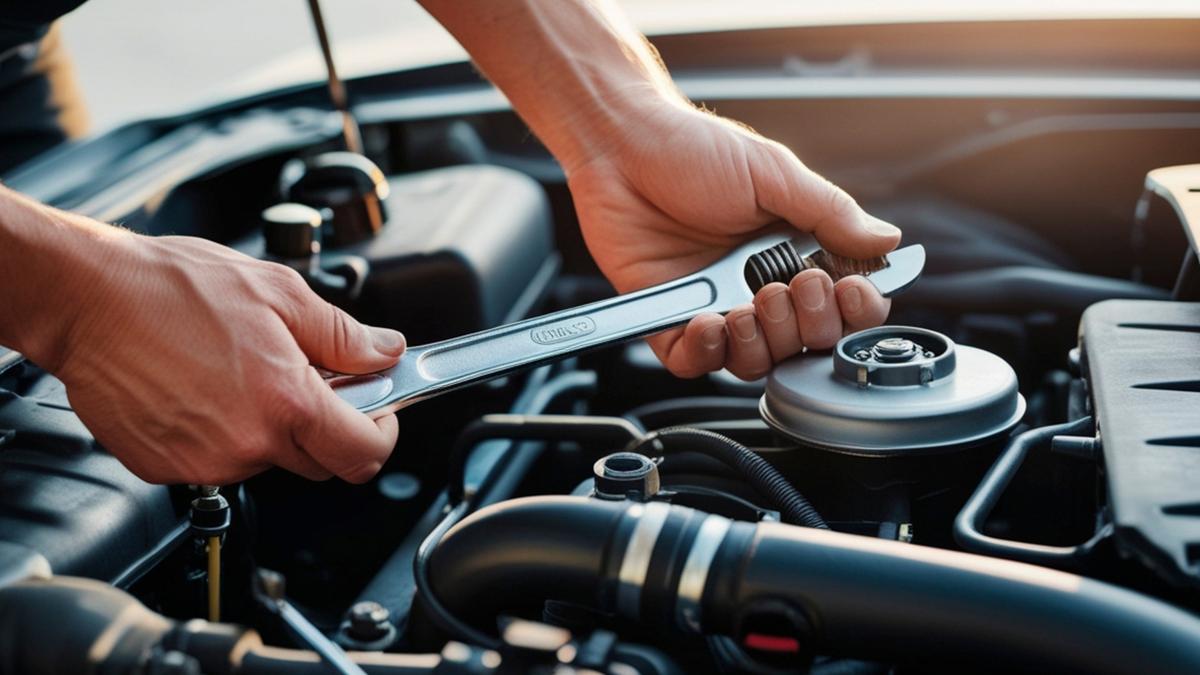
4ZZ engine owners and buyers often ask why the model can burn oil and what to check before fitting a replacement — this guide answers those questions for the South African market and aftermarket.

According to trade reports, imported engines from Japan and Germany make up a large portion of South Africa's used-engine imports due to the wide availability of low-mileage wrecks overseas. Use an engine import specialist or a supplier with transparent testing records if you prefer imported units.
What is the 4ZZ engine?
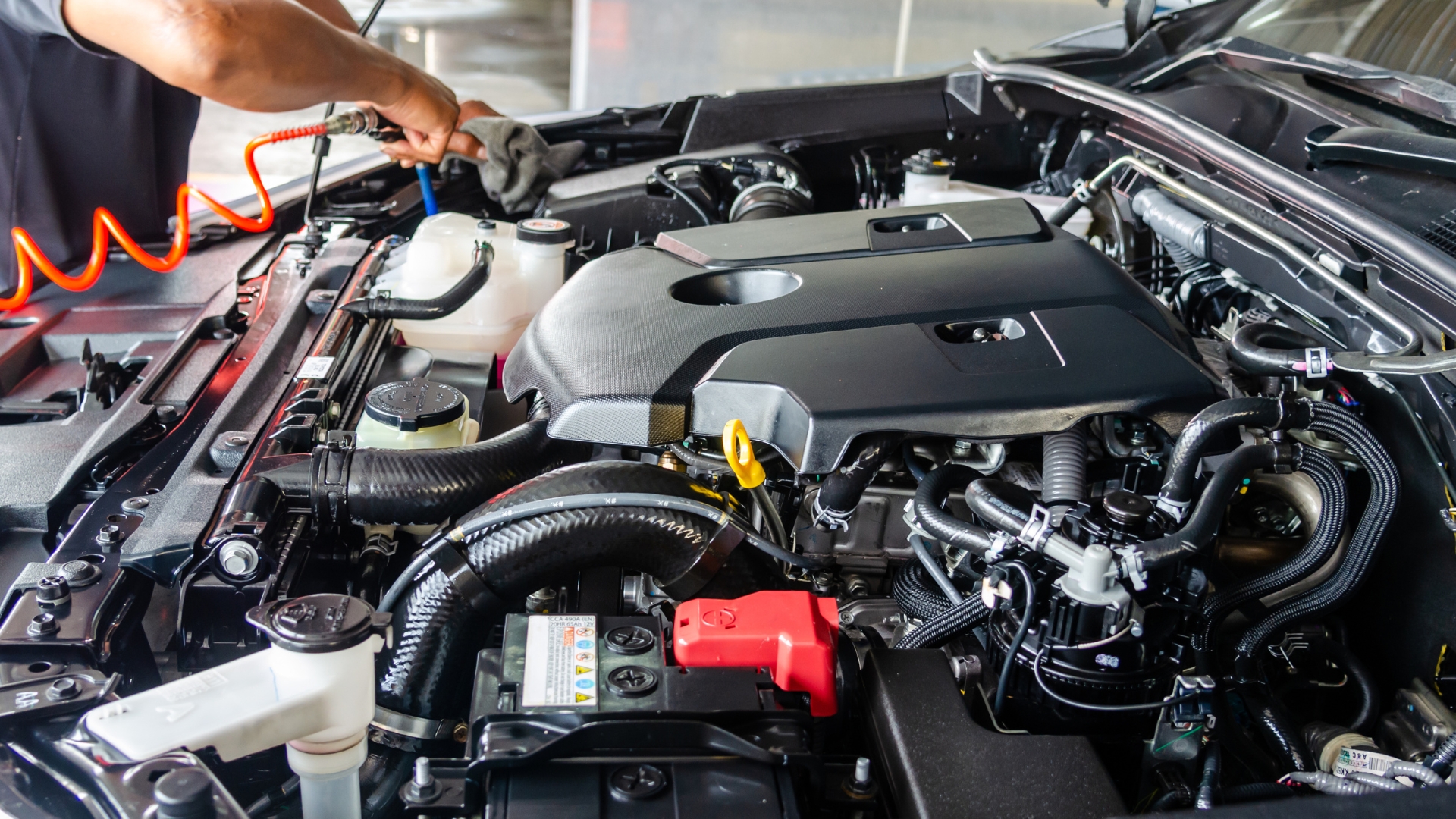
The 4ZZ engine is part of Toyota's ZZ engine family — a lightweight, aluminium-headed inline-four designed for fuel efficiency and compact fitment. According to Wikipedia, the Toyota ZZ engine family was developed in the late 1990s and includes multiple displacements and head configurations, often featuring DOHC and VVT-i technology. The 4ZZ-FE variant has been fitted to small cars and some light bakkies, which explains why it appears frequently in the used engine and rebuilt engine market. In practical terms for South African buyers and mechanics, the 4ZZ engine is commonly sourced as second-hand engines, rebuilt engines, or imported engines from Japan and Germany. Its compatibility with many drivetrain components and petrol/diesel line-ups in the global used parts trade keeps it in demand at vehicle dismantlers and auto spares outlets.Is the 4ZZ engine reliable?
Reliability depends on maintenance history, mileage and how the engine was used. Many workshops in South Africa report that a well-serviced 4ZZ engine can give trouble-free service for hundreds of thousands of kilometres when fitted and maintained correctly. According to independent owner forums and service manuals, typical trialing problems are avoidable with correct oil changes and timing belt/service interval adherence. Key reliability factors include: consistent oil and coolant maintenance, timely replacement of cam-belt or timing-chain components (depending on variant), and attention to overheating events which can warp heads or damage piston rings. For fleet operators and mechanics supplying affordable engines to the local market, the 4ZZ is a practical, cost-effective option when sourced from reputable suppliers.Why is my 4ZZ engine burning oil?
Oil burning in a 4ZZ engine is a common symptom and can have several root causes. Typical causes include worn piston rings, valve guide wear, deteriorated valve stem seals, or PCV (positive crankcase ventilation) system faults. In older or high-mileage units the first suspects are piston-ring wear and cylinder tapering. Another cause in the 4ZZ is incorrect oil grade or extended oil-change intervals — both increase deposit formation and accelerate ring-sticking. In South Africa the rising fuel and maintenance costs have led some owners to extend service intervals; this can raise the incidence of oil burning complaints at local engine sales and repair shops.How do you diagnose oil burning in a 4ZZ engine?
Diagnosing oil burning requires a mix of simple checks and workshop tests. Start with a visual inspection of spark plugs (oil-fouled plugs indicate oil entering combustion chambers), check exhaust smoke colour (blue smoke typically means oil burning), and perform a compression and leak-down test to assess piston rings and valve sealing. Useful diagnostic checklist for mechanics and DIYers:- Visual inspection of spark plugs and valve-cover area for oil leaks.
- Compression test on all cylinders to compare numbers (significant variation suggests wear).
- Leak-down test to distinguish between piston/ring versus valve sealing issues.
- PCV and breather system check — a clogged PCV can cause high crankcase pressure and force oil past rings.
- Oil analysis and oil consumption logging over a fixed distance to quantify rate of burning.
Common failures and what to check before buying a used 4ZZ engine
When shopping for a used 4ZZ engine — locally or imported — focus your inspection on the items that most commonly fail or cause headaches later. These include head gasket condition, oil consumption history, timing component wear, and evidence of coolant leaks. What to check in detail:- Service history and mileage: verify any available stamping or paperwork.
- Compression and leak-down numbers: request results or run them yourself when possible.
- Signs of overheating: warped heads or coolant residue around head bolts are red flags.
- Oil condition: sludge or metal particles in the pan indicate internal wear.
- External condition: damage to mounts, cracks in the block, or stripped threads can add cost.
Rebuilt, imported or second-hand 4ZZ engines — pros and cons
Deciding between a rebuilt 4ZZ engine, an imported second-hand unit, or a local second-hand engine depends on budget, lead time, and risk appetite. Pros and cons summary:| Option | Pros | Cons |
|---|---|---|
| Rebuilt engine | Refurbished internals, often warranty, lower long-term risk | Higher upfront cost, lead time for rebuild |
| Imported engine | Access to low-mileage units, Japanese/German engines common | Shipping delays, potential undocumented wear, import costs |
| Local second-hand | Quick availability, lower cost | Variable condition, limited guarantees |
Maintenance tips to keep a 4ZZ engine healthy
Routine maintenance will extend the life of a 4ZZ engine and reduce the likelihood of oil burning. Basics include using the correct oil viscosity and grade, replacing the oil and filter at manufacturer intervals, keeping the cooling system healthy, and using quality air filters to prevent abrasive wear. Recommended maintenance checklist:- Oil and filter change every 8,000–15,000 km depending on oil type and operating conditions.
- Inspect and replace timing belt/chain components on schedule — failures can cause catastrophic engine damage.
- Replace spark plugs at recommended intervals to avoid misfires that can worsen oil burning.
- Service PCV valves and breathers to manage crankcase pressures.
- Use quality coolant and keep the cooling system free of corrosion and leaks.
Compatibility and parts availability in South Africa
Parts availability for the 4ZZ engine in South Africa is generally good because the engine shares components with other ZZ-family variants and many parts are commonly stocked by engine sellers and auto spares suppliers. Japanese engines and parts are especially common, and specialist suppliers often import spare heads, camshafts, and other top-end components to meet demand. Where to find parts:- Local auto spares shops and dismantlers — quick access to used parts and core exchanges.
- Engine importers who supply tested second-hand engines and sometimes offer spares from donor units (engine imports).
- Online stores and specialist rebuilt-engine suppliers offering kits and service parts (shop).
Costs: replacing vs rebuilding a 4ZZ engine in South Africa
Cost decisions vary by region and by whether you choose a local second-hand engine, an imported unit, or a full rebuild. Rebuilding an engine typically costs more than fitting a cheap used unit but offers better long-term value and often a limited warranty. Importing a low-mileage 4ZZ can be cost-effective if shipping and customs do not add excessive overhead. Factors that affect total cost:- Condition of the donor unit (compression, visible wear).
- Cost of labour and availability of specialised mechanics in your town or city.
- Additional parts required (flywheel, clutch, sensors, wiring harnesses).
- Delivery and fitting charges if using national delivery services.
Where to source affordable 4ZZ engines, gearboxes, and spares in South Africa
For reliable sourcing, work with engine sales and gearbox sales specialists who test units, offer warranties and provide documentation. Look for suppliers who deal in Japanese engines, German engines, and stripped spares so you have options. Many reputable sellers list engine brands and offer clear import channels for specific units. Suggested sources and actions:- Contact specialised engine importers to request core history and test results (engine brands).
- Compare rebuilt engines with second-hand imports for warranty vs price trade-offs (engine imports).
- For immediate needs, check local shop stock for compatible gearboxes and spares (shop).
- If you want a supplier quote or to arrange fitting, reach out to a contact point for advice and lead times (contact us).
Final checklist before you buy a 4ZZ engine
Before committing to a purchase, use this final checklist to reduce the risk of surprises:- Verify engine codes and compatibility with your vehicle.
- Request compression/leak-down results and a visual inspection report.
- Confirm warranty, return policy and core-charge terms.
- Check for hidden costs: delivery, import duties, fitting and ancillary parts.
- Ask about included components: sensors, alternator, starter, flywheel, and ECU compatibility.