What Makes the B58 Engine Unique Compared to Other Engines in Its Class?
The
B58 engine, developed by BMW, has set a benchmark in the world of inline-six engines, combining power, efficiency, and innovation. Here's a detailed exploration of its unique qualities:
1. Modular Design
The B58 engine is part of BMW's modular engine family, sharing design principles with its three-cylinder and four-cylinder counterparts. This ensures efficient production while maintaining high performance.
2. Innovative Turbocharging
The twin-scroll turbocharger minimizes turbo lag and delivers smooth power. Compared to older engines like the N55, the B58's turbo design offers better performance across a wider RPM range.
3. High-Pressure Fuel Injection
With a fuel injection pressure of up to 5,076 psi, the B58 ensures optimal combustion, enhancing both power and fuel efficiency.
4. Integrated Water-to-Air Intercooler
The B58 engine features a water-to-air intercooler integrated into the intake manifold, improving thermal efficiency and reducing engine knock.
5. Closed-Deck Design
The closed-deck block of the B58 enhances durability and allows it to handle higher cylinder pressures, making it ideal for tuning enthusiasts.
Explore options for finding replacement engines like the B58 at
Diversity Spares Engine Imports.
How Reliable Is the B58 Engine Over Long-Term Use?
1. Durability of Components
The B58 engine's closed-deck block and forged internals contribute to its long lifespan, with proper maintenance ensuring consistent performance.
2. Cooling System Resilience
The advanced cooling system, including water-to-air intercoolers, protects the engine from overheating during extended use or spirited driving.
3. Oil System Efficiency
The B58’s optimized oil flow reduces wear on critical components, contributing to its longevity.
4. Common Maintenance Requirements
Routine tasks such as oil changes, coolant flushes, and spark plug replacements are straightforward, keeping the engine running smoothly.
5. Owner Feedback
Drivers report the B58 engine remaining reliable well beyond 100,000 miles, with many achieving higher mileage with minimal issues.
6. Comparison with Rivals
While other inline-six engines like Mercedes' M256 are reliable, the B58 stands out for its balance of power and maintenance needs.
Discover high-quality
used car parts to keep your engine in top condition.
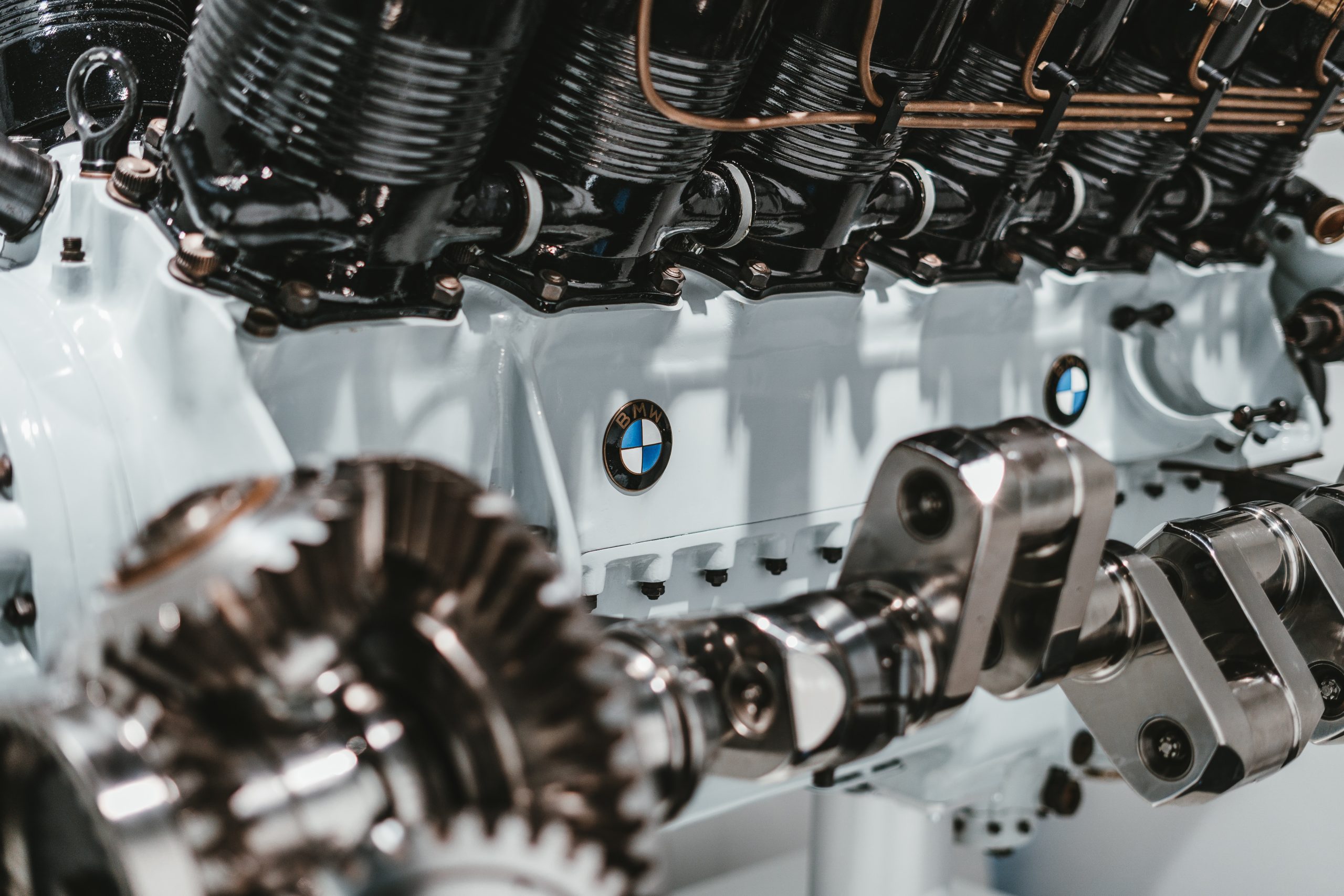
Key Performance Specs of the B58 Engine
How Does the B58 Engine Compare to the N55 Engine?
The B58 engine, introduced as the successor to the N55, offers numerous upgrades and improvements. Here’s a detailed comparison of these two inline-six engines:
1. Power and Torque
The B58 engine delivers higher power and torque figures than the N55. In most configurations, the B58 produces up to
382 hp, compared to the N55's maximum output of
365 hp.
2. Turbocharger Design
Both engines use a twin-scroll turbocharger, but the B58 features a more advanced design that reduces lag and increases efficiency.
3. Cooling and Intercooler
The B58's integrated water-to-air intercooler outperforms the air-to-air intercooler of the N55, providing better thermal management.
4. Block Construction
The closed-deck design of the B58 improves structural rigidity, enabling higher boost pressures and more reliable performance under stress.
5. Fuel System
The B58 utilizes a higher-pressure fuel injection system, promoting better combustion and improved fuel efficiency.
6. Weight
The B58 engine is slightly heavier due to its reinforced components, but the additional weight contributes to greater durability.
7. Reliability
While the N55 has a solid reputation for reliability, the B58 offers enhanced durability, particularly under high-stress conditions.
8. Performance Potential
The B58 engine is more tunable than the N55, with a higher threshold for modifications without sacrificing reliability.
What Vehicles Come Equipped with the B58 Engine?
The B58 engine powers a range of BMW models, showcasing its versatility and performance capabilities. Below is a breakdown of the vehicles equipped with this engine:
1. BMW 3 Series
The G20 generation of the
BMW 3 Series, specifically the
M340i, features the B58 engine, offering a balance of luxury and performance.
2. BMW 4 Series
In models like the
440i and
M440i, the B58 enhances the driving experience with its seamless power delivery.
3. BMW 5 Series
The
540i sedan, known for its refined ride and power, benefits greatly from the B58 engine's performance and efficiency.
4. BMW Z4
The
Z4 M40i roadster utilizes the B58 engine, making it a fun and powerful convertible.
5. Toyota Supra
The collaboration between BMW and Toyota brought the B58 to the
Toyota GR Supra, where it has been praised for its performance.
Discover a wide selection of
new car parts to maintain these high-performance vehicles.
Can the B58 Engine Be Tuned for Higher Performance?
The B58 engine is highly tunable, making it a favorite among car enthusiasts. Here's how tuning can unlock its full potential:
1. ECU Remapping
ECU tuning can increase the B58’s horsepower and torque by optimizing air-fuel ratios, ignition timing, and turbo boost levels.
2. Aftermarket Intakes
Upgrading the air intake system allows the engine to breathe better, improving power output and throttle response.
3. Exhaust System Upgrades
High-flow downpipes and cat-back exhaust systems reduce backpressure, increasing horsepower and producing a sportier exhaust note.
4. Turbo Upgrades
Replacing the stock turbocharger with a larger one can significantly boost power while maintaining reliability.
5. Intercooler Upgrades
A larger intercooler improves cooling efficiency, enabling the engine to handle higher boost levels without overheating.
Explore more about available
vehicles with tunable B58 engines.
How Does the Fuel Efficiency of the B58 Engine Compare to Competitors?
The
B58 engine excels not only in power but also in fuel efficiency, offering a balanced performance for daily drivers and enthusiasts alike. Let’s compare its fuel economy to competitors in its class:
1. EPA Ratings
The B58-equipped vehicles like the
BMW 3 Series M340i deliver approximately
22 MPG city and
30 MPG highway, competitive for an inline-six engine.
2. Efficiency Enhancements
The B58 engine incorporates features like
variable valve timing (VANOS) and
Valvetronic technology to optimize air intake and reduce fuel consumption.
3. Turbocharging Benefits
The twin-scroll turbo minimizes fuel waste by maintaining efficient combustion, even under high loads.
4. Comparison to Previous Engines
Compared to the N55, the B58 achieves improved fuel economy, owing to its higher compression ratio and advanced injection system.
5. Driving Modes
Eco-friendly driving modes in B58-equipped vehicles optimize fuel usage, making them versatile for both spirited and economical driving.
6. Real-World Efficiency
Drivers report achieving slightly better MPG than EPA estimates during highway cruising, showcasing the engine's efficiency.
7. Hybrid-Like Economy
In certain plug-in hybrid configurations, the B58 engine pairs with electric motors, delivering excellent combined fuel efficiency without sacrificing performance.
8. Competitor Comparisons
While Mercedes' inline-six engines (M256) are comparable, the B58 often outperforms V6 options like the Audi S4 in real-world driving scenarios.
9. Emission Reductions
The B58's improved fuel economy contributes to lower CO2 emissions, meeting global environmental standards.
10. Practical Ownership
For buyers seeking a powerful yet fuel-efficient engine, the B58 remains a top contender, blending performance with practicality.
What Is the Maintenance Cost of Owning a B58 Engine Vehicle?
Maintaining a
B58 engine vehicle is relatively cost-effective for its performance class. Here's a detailed breakdown of the associated costs:
1. Routine Maintenance
Regular oil changes, performed every 7,000-10,000 miles, cost approximately
$150-$200 at most service centers.
2. Cooling System Checks
With its advanced water-to-air intercooler, periodic inspections ensure the cooling system operates optimally. These services typically cost
$100-$150.
3. Spark Plug and Coil Replacements
Spark plugs should be replaced every 30,000 miles, costing around
$200-$300, depending on the service provider.
4. Turbocharger Servicing
Although rare, turbocharger maintenance may be required after prolonged use or tuning modifications, costing
$1,000-$1,500.
6. Reliability Saves Money
The B58's durability means fewer unexpected repairs, helping owners save on long-term maintenance.
7. Aftermarket Part Options
Affordable aftermarket parts are widely available, lowering maintenance costs further. Visit
Diversity Spares Shop for a selection of B58-compatible parts.

