
Engines and Gearboxes
BMW M47 Engine: The Bulletproof Myth, Real Weak Spots, and How to Keep It Alive
Johan Marneweck · 12/22/2025 · 10 min read

The m47 engine has earned a reputation among owners and mechanics for being both durable and deceptively fragile depending on maintenance and service history. This guide looks beyond the "bulletproof" myth, identifies real weak spots, and shows how vehicle owners, workshops, and parts suppliers in South Africa can keep M47-powered cars and bakkies on the road with cost-effective solutions.



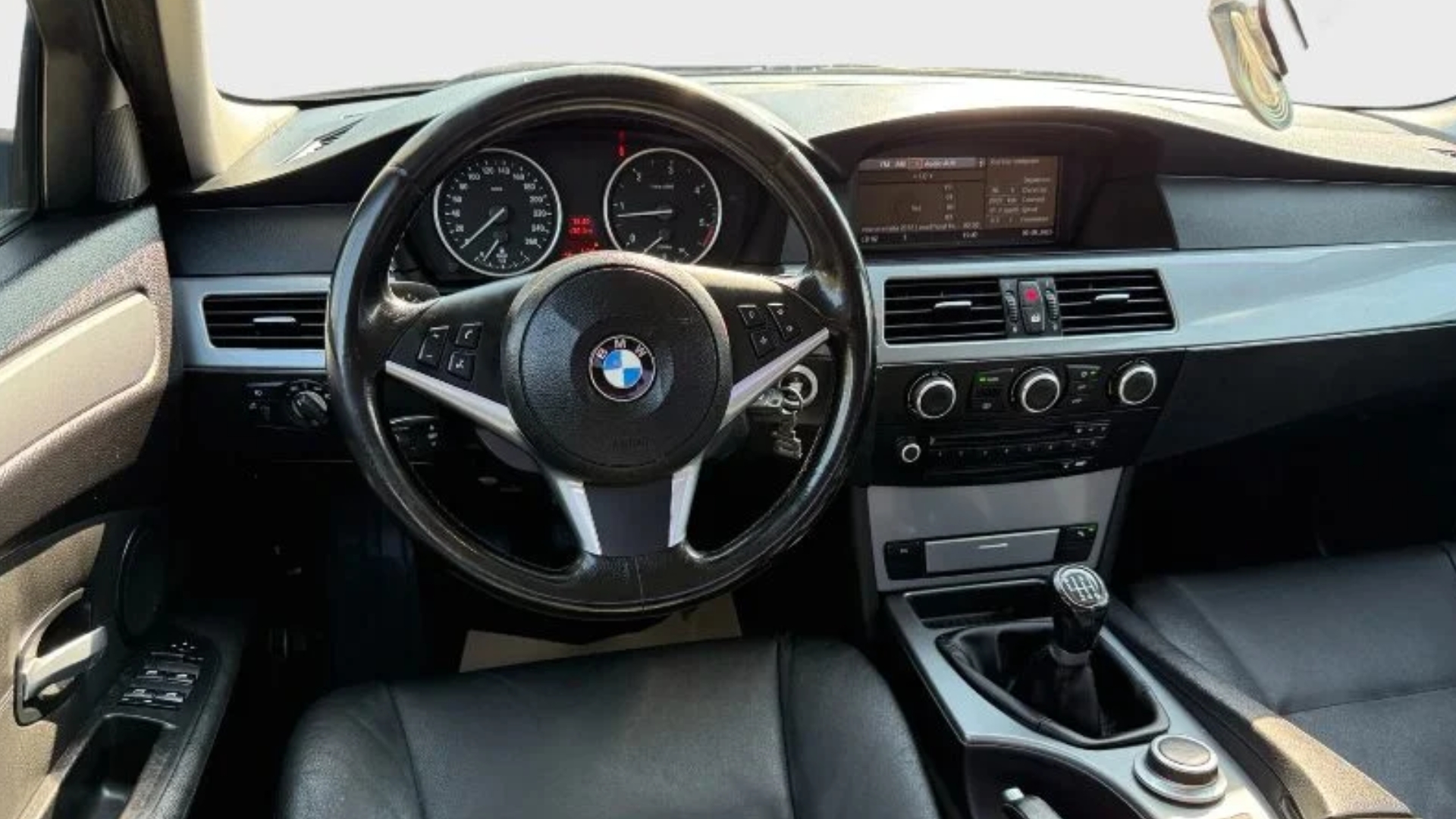
What is the m47 engine?
The BMW M47 engine is a turbocharged straight‑4 diesel used widely in BMW 3 Series and 5 Series models and many rebadged variants. Introduced in the late 1990s, the M47 became popular because it offered good fuel economy, strong midrange torque, and compatibility with lightweight chassis — a combination that appealed to private owners and fleet operators alike. According to Wikipedia, the M47 was produced across several updates and displacements from about 1998 to the mid‑2000s. Those production years mean there is a healthy after‑market for used car parts, rebuilt engines, and stripped spares — particularly useful for South African mechanics and parts traders who buy and sell imported and local engines.Is the M47 a “bulletproof” engine?
Short answer: no — but it can be extremely durable when treated correctly. The "bulletproof" label comes from the engine's core design, which can deliver high mileage if oil, timing components, turbo, and EGR systems are maintained. However, owners who ignore scheduled servicing, use poor‑quality oil, or run extended oil change intervals often encounter expensive failures. In South Africa's rising fuel‑cost environment, many owners try to save on maintenance or buy second‑hand engines without thorough inspection. That short‑term saving can lead to bigger bills later. For workshops handling engine sales, gearbox sales, and spares, the task is to balance cost‑effective supply (used or rebuilt engines) with transparency on condition.What are the common weak spots of the M47?
The most common M47 trouble areas are predictable: timing chain/tensioner wear (on earlier variants), turbocharger failures, EGR valve clogging, and oil leaks from the camshaft seal or crank seal. These problems tend to appear between 120,000 and 250,000 km if maintenance is neglected.- Timing gear and chain/tensioner: Wear can lead to noisy operation and, in worst cases, chain jump and engine damage.
- Turbocharger: Oil control and carbon build‑up reduce performance and cause smoking.
- EGR and intake carbon: Lead to rough idling, lower economy, and blocked DPF regeneration on later models.
- Oil leaks: Valve cover, cam seals, and sump gasket failures are common and lead to contamination issues.
| Repair | Typical range (parts + labour) |
|---|---|
| Timing chain/tensioner repair | Mid to high — depending on access |
| Turbo replacement or rebuild | Moderate — can be cheaper if rebuilt units used |
| EGR cleaning/replacement | Low to moderate |
| Head gasket (if caused by overheating) | High — may warrant engine replacement |
How do you spot M47 problems early?
Early detection keeps repair bills low. Start with simple checks: listen for unusual chain rattles on cold start, watch for blue/grey smoke on acceleration (turbo issues), and check for oil pooling under the car. Use a diagnostic reader to check for EGR/DPF codes and monitor boost pressure. For mechanics and independent operators, a routine inspection checklist helps when buying second‑hand engines or stripped spares: inspect for oil sludge, check turbo shaft play, pressure test the cooling system, and confirm timing cover integrity. Document findings when selling rebuilt engines or supplying parts — buyers in South Africa appreciate clear condition reports and verified backgrounds on imported engines.How long can an M47 engine last with proper care?
With diligent maintenance many M47 engines can exceed 300,000 km. Proper care includes regular oil and filter changes with the correct viscosity and specification oil, timely timing component replacement, and periodic turbo/EGR inspections. According to Bosch, modern common‑rail diesel systems and associated maintenance practices improve fuel efficiency and emissions while increasing service life when correctly maintained. That means parts suppliers and mechanics who recommend correct oils and service intervals add measurable lifetime value for vehicle owners.Is it worth buying a used or rebuilt M47 engine in South Africa?
Often yes — especially for older vehicles where the alternative is scrapping or expensive dealership replacements. Buying a quality-tested second‑hand or rebuilt M47 engine from reputable suppliers can be a cost-effective way to keep bakkies, 4x4s, and BMW diesels on the road. When evaluating options, consider total cost: parts, labour, guarantee, and compatibility. Our industry sees rising demand for stripped spares and rebuilt engines as fuel prices push owners to keep efficient diesels running. According to the International Energy Agency, shifts in fuel markets and policy increase interest in efficient diesel maintenance and reuse of components.How much do replacement engines and spare parts cost?
Price varies by condition and provenance (Japanese imported engines often differ in price vs. German stripped engines). In South Africa market dynamics, a used M47 engine can be significantly cheaper than a new exchange unit, but warranty coverage and testing are critical.- Used/imported engines: lower upfront cost, condition varies.
- Rebuilt engines: higher cost, usually with a limited warranty and tested components.
- New parts (timing kit, turbo, EGR components): can be bought individually to prolong the life of an existing engine.
Where to source quality M47 spares and stripped engines in South Africa?
Look for specialists in engine sales and vehicle dismantling who can provide inspection reports and test data. Reputable suppliers offer options: stripped spares for DIY repairs, complete rebuilt engines for workshops, and exchange units for faster turnaround. Key sourcing tips: buy from suppliers that handle both Japanese and German engines, stock drivetrain components, and provide fast nationwide delivery. If you need fast ordering, check the online shop or contact portals where engine and gearbox availability are updated regularly: shop and contact us.
Rebuild or replace: which is best for my M47?
Choose rebuild when the block and head are sound and failure is due to replaceable wear items (timing kit, turbo, injectors). Replace the engine when structural damage, warped head, or seized internals make rebuild cost‑prohibitive. Pros of rebuilding: preserves vehicle, often cheaper than full replacement, and parts (turbo, injectors) can be upgraded. Pros of replacement: faster turnaround, predictable condition if supplied tested/rebuilt, and often includes a short warranty. Decide based on inspection, mechanic feedback, and cost comparison.Preventive maintenance checklist for M47 owners and mechanics
Preventive care is the cheapest way to keep an M47 alive. A checklist helps workshops and owner‑drivers stay on top of service intervals. Include oil & filter every 10,000–15,000 km depending on oil spec and usage, air filter replacement, EGR cleaning every 80–120k km, and turbo inspection when performance drops.- Oil & filter change with manufacturer‑spec diesel oil.
- Replace timing kit/tensioners at recommended intervals or when noise appears.
- Inspect and clean EGR/intake manifold to prevent carbon build‑up.
- Check turbo for shaft play and oil leaks.
- Monitor coolant system and replace thermostat/water pump if overheating is observed.
What should I ask my mechanic or engine supplier before buying?
Ask for a condition report, compression/leakdown test results, turbo inspection notes, and whether the engine comes with a warranty. For rebuilt units, request parts lists and photos of work done. If buying imported engines, verify mileage history and shipping inspection. Use a spare parts request form when you need specific components: spare parts form. Final checklist to bring to seller or mechanic:- Is the engine tested (hot run) and does it have a seizure history?
- Are critical wear items replaced (timing kit, water pump, turbo seals)?
- What warranty covers the engine and parts?
- Are there clear return/installation policies?
Where to learn more and get help locally?
If you’re based in South Africa and need parts, workshops, or bulk supply for mechanics and small businesses, use local suppliers that specialise in diesel engines, bakkie and 4x4 spares, and drivetrain components. For resources and advice on parts availability, repairs, and sourcing Japanese or German engines, visit our blog or get in touch with sales teams who handle engine imports and nationwide delivery: blog and vehicles. According to industry trends, dismantlers and used parts merchants are seeing increased demand for cost‑effective replacement engines because fuel prices and maintenance costs encourage owners to extend vehicle life rather than replace the vehicle outright.Summary — keeping your M47 alive and cost‑effective
The M47 engine is not magically indestructible, but it rewards sensible maintenance and informed parts purchasing. For South African owners and mechanics, the balance between cost and reliability often means choosing quality-tested used engines or professionally rebuilt units, backed by clear documentation and sensible warranties. Whether you need stripped spares, gearbox sales, or a rebuilt M47, do your checks, ask the right questions, and work with suppliers who understand diesel engines and the local market. Need help locating a tested M47 or spare part? Reach out via our engine imports page to discuss options and delivery across South Africa: engine imports.