
BMW N20 Engine: Specs, Common Problems & Replacement Costs in South Africa
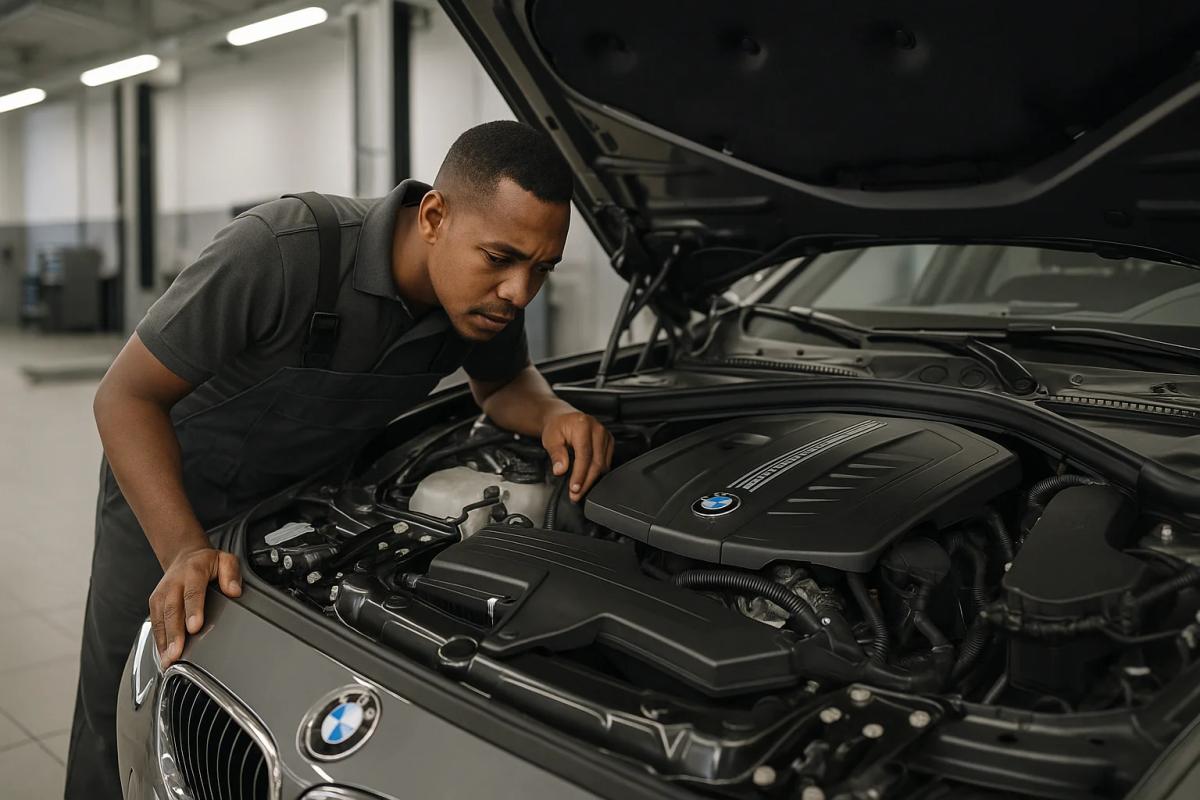
What is the BMW N20 engine?
The BMW N20 is a turbocharged four-cylinder petrol engine used across many BMW 1, 3, 5 and X series models. Introduced as BMW moved toward smaller-displacement, forced-induction powerplants, the N20 combined direct injection with a twin-scroll turbo to deliver efficient performance in a compact package. According to Wikipedia, the N20 was produced in the 2010s and powered a wide range of models globally. The N20 is of particular interest to owners and mechanics in South Africa because it provides a balance of power and economy but requires careful maintenance. In the local industry — covering engine sales, gearbox sales, imported engines, and spare parts — clear knowledge of the N20’s architecture helps buyers choose rebuilt, second-hand, or imported replacement engines.What are the key specifications of the N20?
The N20's specs vary slightly by tune and vehicle application, but the architecture is consistent. Below is a concise specification summary to help workshops and parts suppliers understand the engine baseline before sourcing replacements.| Specification | Details |
|---|---|
| Layout | Inline 4, DOHC, turbocharged |
| Displacement | 1.6–2.0 litres (common 2.0L variants) |
| Induction | Twin-scroll turbocharger, direct injection |
| Applications | BMW 1 Series, 3 Series, 5 Series, X1, X3 (varies) |
| Fuel | Premium petrol (recommended) |
What common problems affect the BMW N20 engine?
Understanding common failure modes helps owners and mechanics prioritise inspections and replacement decisions. The N20 has been associated with a few recurring issues that have influenced demand for rebuilt and imported engines in the global and South African markets.- Timing chain and timing chain guide wear — premature wear can lead to rattle, loss of timing and catastrophic engine damage.
- High oil consumption — some N20 examples show increased oil burn requiring top-ups between services.
- Turbocharger failures — wastegate or bearing issues can reduce boost and power delivery.
- Carbon build-up on intake valves — common on direct-injection engines causing rough idle and misfires.
How do I spot signs my N20 needs a replacement engine?
Early diagnosis saves money. Look for these red flags that indicate a rebuild or replacement may be required rather than a simple repair:- Persistent rattling from the front of the engine at cold start (possible timing chain guide failure).
- Blue smoke from the exhaust or rapid oil-level drop (heavy oil consumption).
- Loss of power, limp mode, or turbo lag even after basic checks.
- Metal shavings in the oil filter or during an oil change (internal wear).
 How much does a BMW N20 engine replacement cost in South Africa?
Replacement cost varies widely depending on whether you choose a used imported engine, a rebuilt unit, or a reconditioned engine with warranty. Expect the following ballpark ranges (parts and labour combined):
- Used second-hand engine (stripped, imported): R45,000–R85,000
- Rebuilt or reconditioned engine (local rebuilders): R70,000–R120,000
- New replacement or remanufactured long-block: R120,000+ (rare and costly)
Where can I source BMW N20 replacement engines in South Africa?
South African buyers have several sourcing options: locally rebuilt engines, imported second-hand engines (Japanese/German), and parts suppliers who sell complete drives with tested accessories. Each option appears across the industry — engine sales, gearbox sales, auto spares, and vehicle dismantling businesses. Key practical channels include:- Imported used engines (often from Japan or Europe) sold by engine-import specialists — check compatibility and shipping history.
- Local rebuilders offering tested long-blocks with warranty and fitting services.
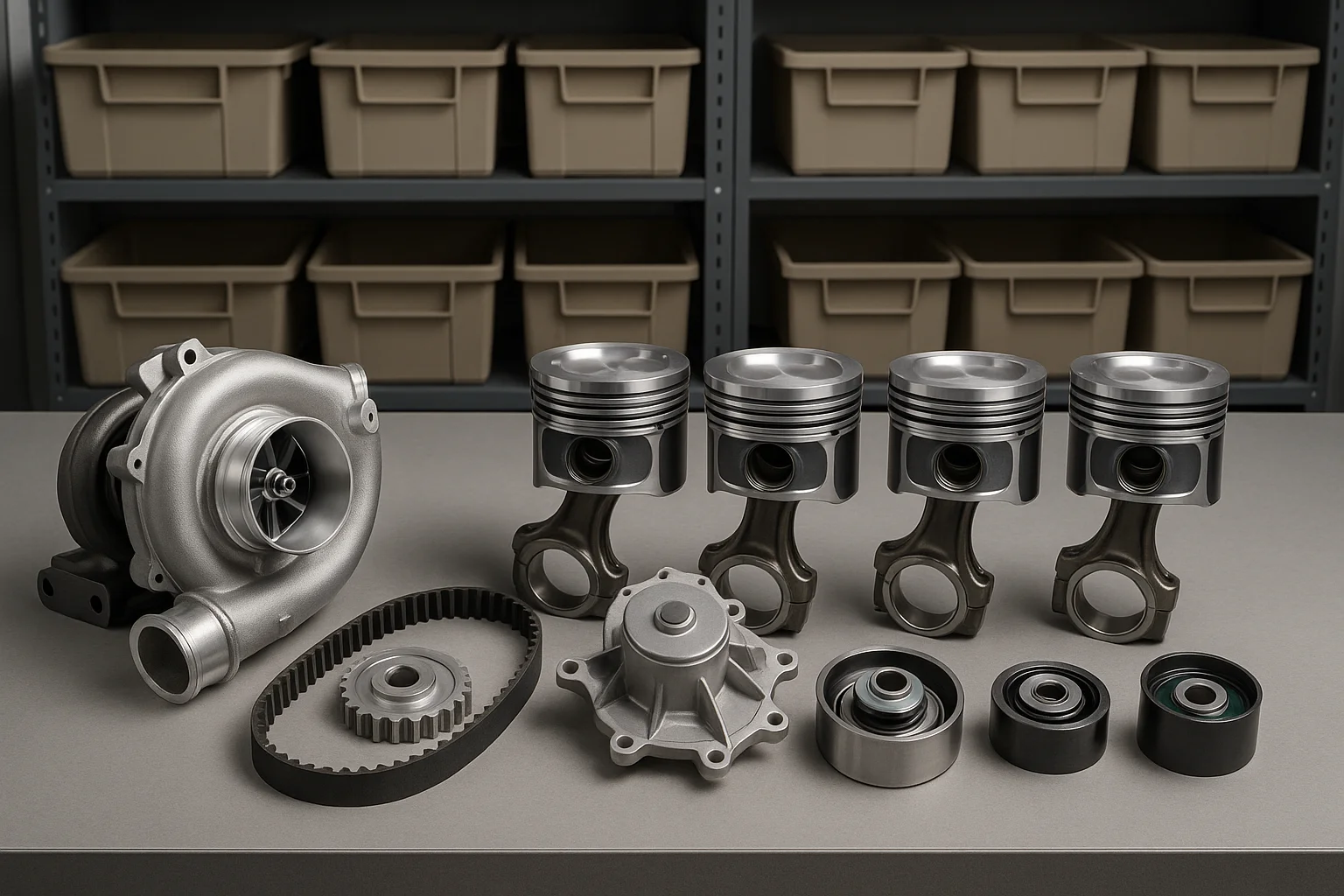
- Auto dismantlers and spare part shops supplying stripped spares like head assemblies, timing kits, and turbochargers.
Should I choose a rebuilt, second-hand or new N20 — pros and cons?
Choosing between rebuilt, second-hand and new depends on budget, vehicle value, and intended ownership duration. Here’s a practical comparison for South African buyers and mechanics supplying parts to customers.| Option | Pros | Cons |
|---|---|---|
| Second-hand imported | Lowest initial cost; quick availability | Variable history; limited warranty; possible hidden wear |
| Rebuilt/reconditioned | Balanced cost; inspected/parts replaced; warranty possible | Higher cost than used; depends on rebuilder quality |
| New/Remanufactured | Best reliability; longest warranty | High cost; limited local availability |
What checks and tests should suppliers perform before selling an N20?
Quality assurance is essential when buying an engine. Reputable suppliers and dismantlers follow a checklist before marking an engine as saleable:- Compression and leak-down tests
- Oil analysis for metal contamination
- Visual inspection of timing chain, guides and tensioners
- Turbocharger spin/test and wastegate functionality
- ECU compatibility check and immobiliser considerations
How do gearbox and drivetrain considerations affect N20 replacements?
Engine swaps rarely happen in isolation. Gearbox compatibility, differential ratios, and electronics (ECU and anti-theft systems) influence the final cost and fitment complexity. If the replacement engine comes from a different model year or market, ensure the following:- Matching engine and transmission bellhousing and torque converter (automatic) or clutch compatibility (manual).
- ECU and immobiliser pairing to the car; some imports require ECU coding or key programming.
- Accessory drives and mounts matching your vehicle to avoid custom fabrication.
What warranties and post-sale support should I expect in South Africa?
Warranty terms vary widely. Reputable providers typically offer:- Short-term labour and parts warranty (30–90 days)
- Longer warranty on core components for rebuilt engines (3–12 months)
- Conditional warranties that require correct installation and use of approved oils/filters
How can I extend the life of an N20 and avoid early replacement?
Regular preventive maintenance can significantly extend an N20 engine's life. Recommended actions include:- Use the correct grade of oil and change it at recommended intervals.
- Replace timing chain components at the first sign of wear or during major services if mileage is high.
- Service the turbo and intercooler system; check for boost leaks.
- Use quality fuel and consider periodic intake cleaning for carbon build-up.
What are the next steps if I need an N20 replacement in South Africa?
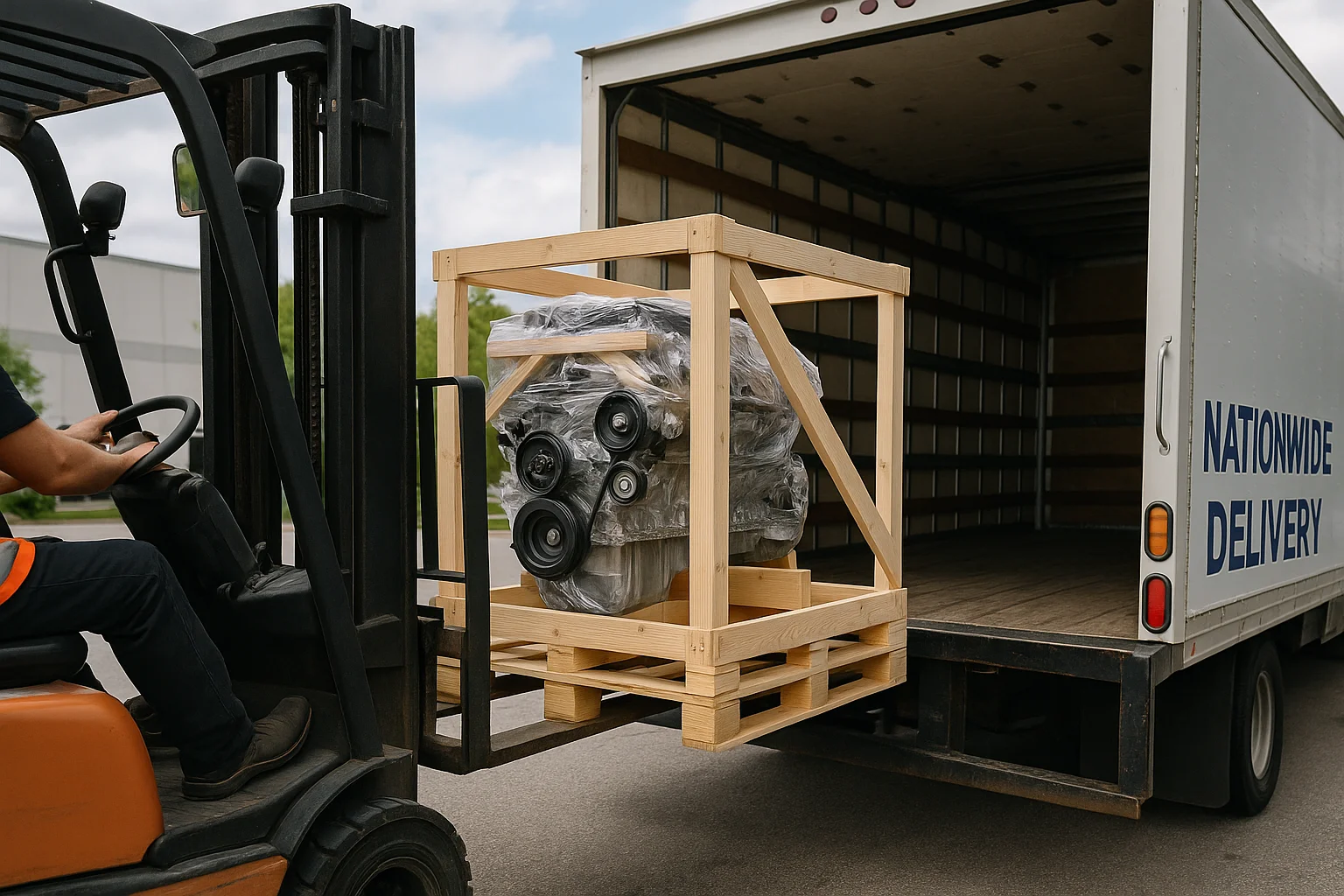
Start with a full diagnostic at a trusted workshop. If replacement is required, request written quotes for used-imported, rebuilt and new options, and compare warranty, included ancillaries and fitment services. For sourcing parts and engines, you can review listings and contact suppliers directly via the Diversity Spares contact page to discuss inventory, nationwide delivery and fitment support: Contact Us. According to industry trends and supplier feedback, many South African mechanics now prefer to source tested rebuilt engines or high-quality imported units with a short warranty to balance cost and reliability. This approach keeps vehicles roadworthy while supporting small auto repair businesses and workshops that rely on quick access to affordable spares and engines. If you need a specific unit or spare, submit a detailed request through the spare form and include vehicle VIN, engine code (if known) and desired warranty: Spare Request Form. Finally, keep records of service and parts; when selling a vehicle later, documented maintenance and a verified replacement engine can boost resale value and buyer confidence. [/et_pb_text][/et_pb_column][/et_pb_row][et_pb_row _builder_version="4.26.1" _module_preset="default" global_colors_info="{}"][et_pb_column type="4_4" _builder_version="4.26.1" _module_preset="default" global_colors_info="{}"][et_pb_text _builder_version="4.26.1" _module_preset="default" global_colors_info="{}"]BMW N20 Engine FAQs
What is the BMW N20 engine?The BMW N20 is a turbocharged inline-four petrol engine with direct injection and a twin-scroll turbo. It was used in multiple BMW models during the 2010s.
What are the key specifications of the N20?It’s a 2.0-litre inline-four with direct injection and twin-scroll turbocharging. Specs vary by model and tune, so confirm engine codes for replacements.
What common problems does the N20 have?Issues include timing chain wear, high oil consumption, turbocharger faults, and carbon build-up on intake valves. Left unchecked, these can cause major repairs.
How much does an N20 engine replacement cost in South Africa?Used imports: R45k–R85k; rebuilt: R70k–R120k; new/remanufactured: higher. Final price depends on warranty, ancillaries, and fitment services.
Should I pick a rebuilt or a used N20 engine?Rebuilt engines are pricier but more reliable with warranties. Used imports are cheaper but may carry hidden wear. Choose based on budget and car value.
Where can I source N20 engines and parts in South Africa?Check local rebuilders, import specialists, dismantlers, and parts suppliers. Engine import listings often provide tested or stripped spares options.
What checks should suppliers perform before selling an N20?Compression and leak-down tests, turbo inspection, oil analysis, and ECU compatibility checks. Always request test reports and warranty terms.
Do I need to worry about gearbox compatibility with an N20 swap?Yes. Verify transmission type, bellhousing, ECU, and immobiliser compatibility to avoid coding and fitment issues.
How can I prolong the life of my N20 engine?Use correct oil with regular changes, replace timing components when worn, check the turbo system, and clean intake valves periodically.
What are the next steps if I need an N20 replacement?Get a full diagnostic, compare quotes for used/rebuilt/new units, confirm warranties, and choose suppliers with test reports and delivery options.