
Engines and Gearboxes
BMW N42 Engine Reality Check: Timing, Oil Burning, and How to Make It Reliable
Johan Marneweck · 12/30/2025 · 11 min read
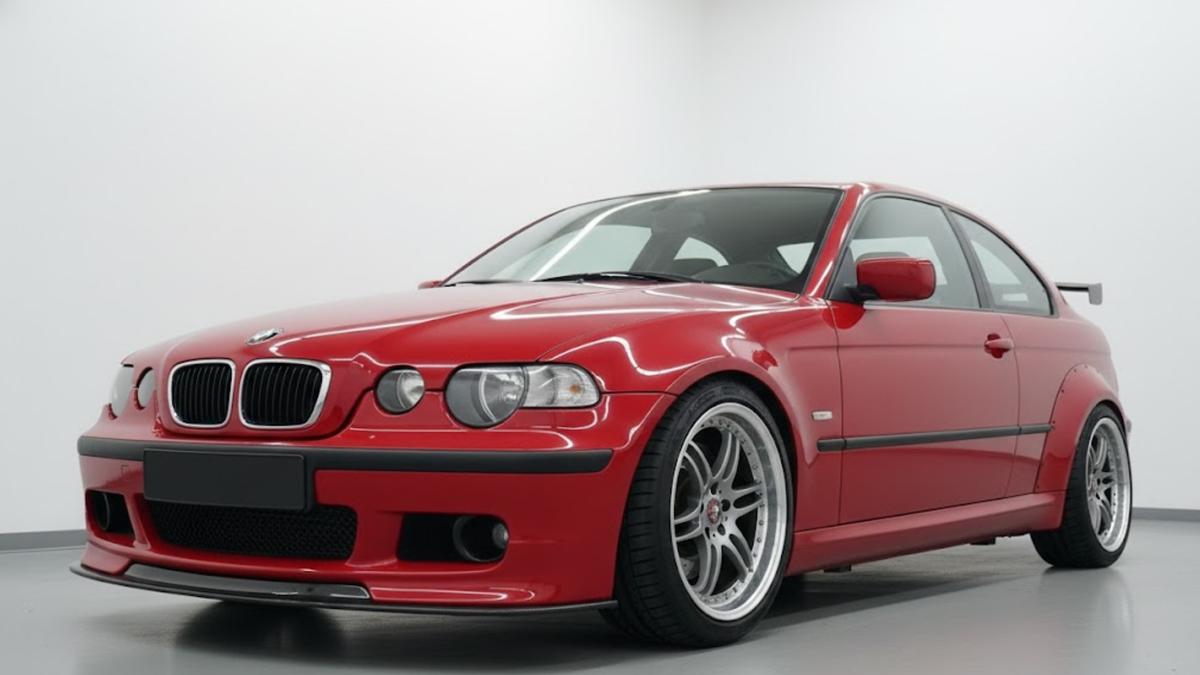
The bmw n42 is a compact four-cylinder BMW engine that has a reputation for good performance but a few well-known headaches; if you own one or are sourcing a replacement in South Africa, this guide answers the practical questions mechanics and owners ask most.
Many mechanics and small auto repair businesses in South Africa prefer sourcing affordable tested engines or stripped spares to offer cost-effective solutions; bulk suppliers and dismantlers can help keep turnaround times low. If you need to request a specific engine or part, use the spare form or contact a supplier: spare form, contact us.
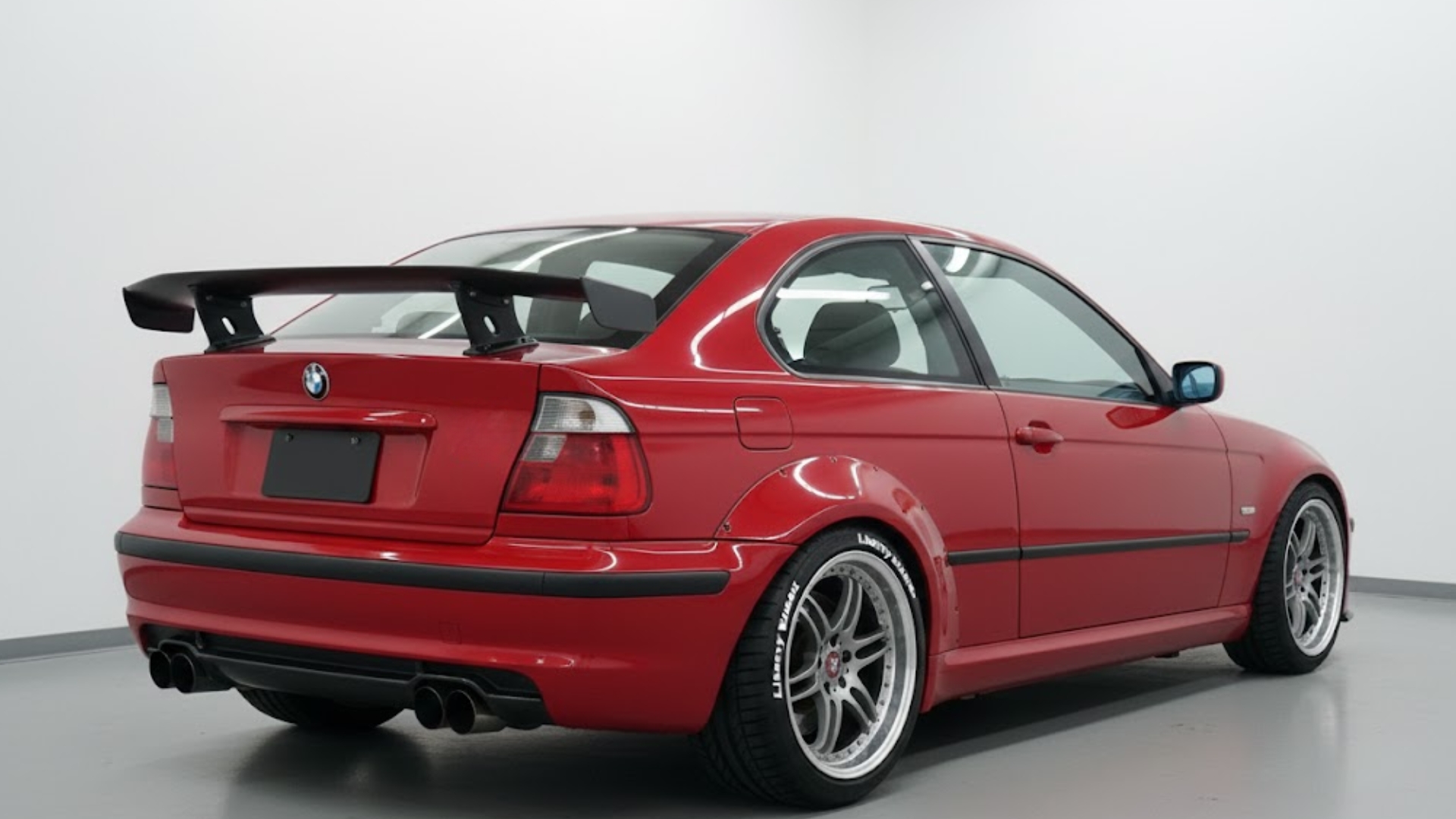
What is the BMW N42 and why does it matter to South African owners?
The BMW N42 is a 1.6–2.0 litre naturally aspirated petrol engine that BMW fitted to a range of compact models in the early 2000s. According to Wikipedia, the N42 introduced features such as double VANOS and Valvetronic in small-displacement BMW units. For owners and mechanics in South Africa, the engine matters because many 3- and 5-series and compact BMWs remain on the road and the availability of affordable engines, stripped spares and rebuilt units affects repair decisions. In the local industry context, demand for affordable engines and gearboxes — including German stripped spares and imported units — has increased as petrol prices and repair costs rise, and businesses supplying engines, drivetrain components and bakkie/4x4 spares have adapted to meet that demand.Is the bmw n42 timing system a known weak point?
Yes — the timing chain guides and tensioner on many bmw n42 units are a commonly reported failure point. Failure typically presents as rattle on cold starts, poor performance, or, in worst cases, catastrophic valve-train damage. Owners often spot the issue between 100,000–180,000 km depending on maintenance history. Typical symptoms include:- Rattling noise from the front of the engine at idle
- Check-engine light codes related to camshaft position
- Poor running and irregular throttle response
Why does the BMW N42 burn oil and how much is “normal”?
Oil burning on the bmw n42 is commonly linked to valve stem seals, piston ring wear and, sometimes, the VVT/Valvetronic system. It can be exacerbated by missed services and long oil change intervals. According to owner surveys on BMW forums, higher-mileage N42 units often show noticeable oil consumption by around 120,000–150,000 km. What’s normal? Light consumption (0.5–1.0 L per 1,000 km) is still higher than modern engines would show, and anything beyond 1 L/1,000 km generally requires diagnosis. Repairs range from replacing valve stem seals to a full top-end rebuild or replacement engine.What are the realistic repair costs vs replacement engines in South Africa?
Repair costs depend on whether you replace timing components, seals, or undertake a full rebuild. Local factors — labour rates, parts sourcing, and whether you choose imported, rebuilt, or stripped German/Japanese units — make prices variable. As a guide:| Service | Typical action | Indicative cost range (ZAR) |
|---|---|---|
| Timing kit and labour | Replace guides, tensioner, chain | 8,000–18,000 |
| Valve stem seals/top-end | Replace seals, minor machining | 6,000–15,000 |
| Rebuilt engine fitment | Tested, balanced, installed | 20,000–45,000 |
| Imported used engine | Tested second-hand, with warranty | 15,000–35,000 |
Can a bmw n42 be made reliable for daily driving?
Yes. With the right maintenance and some targeted upgrades, the N42 can be a dependable daily driver. Key steps include strict oil-change intervals with quality oil, early replacement of timing guides and tensioner at recommended intervals, and addressing oil consumption (valve seals or piston work) early. Additional measures that help reliability:- Use OEM or high-quality aftermarket timing kits
- Fit a robust water pump and thermostat during timing work
- Ring and valve work when necessary rather than repeated top-ups
What should a buyer check when sourcing a used N42 engine?
When buying a used bmw n42, inspect the following and, where possible, get a compression/leak-down test and a visual inspection:- Service history and odometer reasonableness
- Signs of oil leaks, especially around valley and cam covers
- Smell of fuel or burnt oil from the exhaust
- Condition of the inlet manifold and Valvetronic components
Are rebuilt N42 engines worth the money compared to buying Japanese or other German imported units?
Rebuilt N42 engines are worthwhile when you want to retain engine compatibility with original components like Valvetronic and VANOS. Imported Japanese engines or other German used engines can be cheaper but may lack matching ancillaries or may require adaptations. Pros and cons:- Rebuilt N42: Retains factory specs; higher upfront cost; controlled components.
- Imported used N42: Lower cost, variable history, may need fresh seals/timing.
- Different engine swap: Complex, may require ECU and wiring changes.
How do Valvetronic and VANOS issues present on the N42?
Valvetronic and VANOS systems are integral to N42 performance. Failures can present as rough idle, poor low-end torque, or fault codes related to camshaft adjustment. Symptoms often include hesitations, limp-home mode and inconsistent throttle response. Troubleshooting steps include checking for vacuum leaks, inspecting wiring/connectors, scanning for codes, and testing the motors/sensors. In many cases, cleaning the intake and replacing faulty sensors resolves drivability problems without major engine work.What spare parts should workshops keep on hand for common N42 repairs?
For local auto repair businesses and dismantlers dealing with N42 work, stocking critical items reduces workshop downtime. Recommended stock list:- Timing kit (chain, guides, tensioner)
- Valve stem seal kit and cam cover gasket
- Water pump and thermostat (often replaced with timing work)
- Replacement inlet manifold gaskets and Valvetronic actuators
How long should a properly maintained BMW N42 last?
With correct maintenance, many N42 engines can reach 300,000 km or more, but that depends heavily on service intervals, oil quality and whether timing components were serviced in time. According to owner reports and mechanics specialising in these engines, the biggest risk to longevity is neglected timing guide replacement and untreated oil burning. Routine inspections, prompt repairs, and sourcing quality replacement or rebuilt engines from trusted suppliers increase the likelihood of long service life. Many suppliers offer nationwide delivery of engines and spares which helps keep older vehicles roadworthy across South Africa.Where should I buy parts or a replacement engine in South Africa?
Buy from suppliers who provide tested engines, warranty terms, and clear return policies. Use reputable engine importers and dismantlers that specialise in German engines and have experience supplying bakkie, 4x4 and passenger vehicle spares. For enquiries and part requests, a spare form or direct contact will speed up matching the right unit to your VIN: engine imports, shop, contact us. According to South African dismantlers and engine importers, demand for stripped German engines has increased in recent years as customers seek cost-effective replacements rather than full brand-new powertrains.Should I rebuild my N42 or replace it with a different engine?
The decision depends on budget, desired longevity and the vehicle’s overall condition. Rebuilding preserves original characteristics and is simpler from an installation/ECU perspective. Swapping to a different engine increases complexity (ECU mapping, wiring, mounts) and can increase costs beyond rebuilding. Use this checklist to decide:- Cost to rebuild (including labour) vs cost to buy and fit replacement
- Availability of parts and compatible ancillaries
- Your tolerance for non-original components and potential future complications
Final checklist: Keeping your BMW N42 running and affordable
To summarise a practical approach for owners and workshops in South Africa who rely on cost-effective solutions:- Monitor oil consumption and service frequently with quality oil and filters.
- Replace timing guides and tensioner proactively (don’t wait for rattle).
- Source tested replacement engines or rebuilt units from reputable importers when replacement is needed.
- Keep common wear items in stock to speed repairs and reduce downtime.
- Work with dismantlers and parts suppliers who offer nationwide delivery and clear warranties.