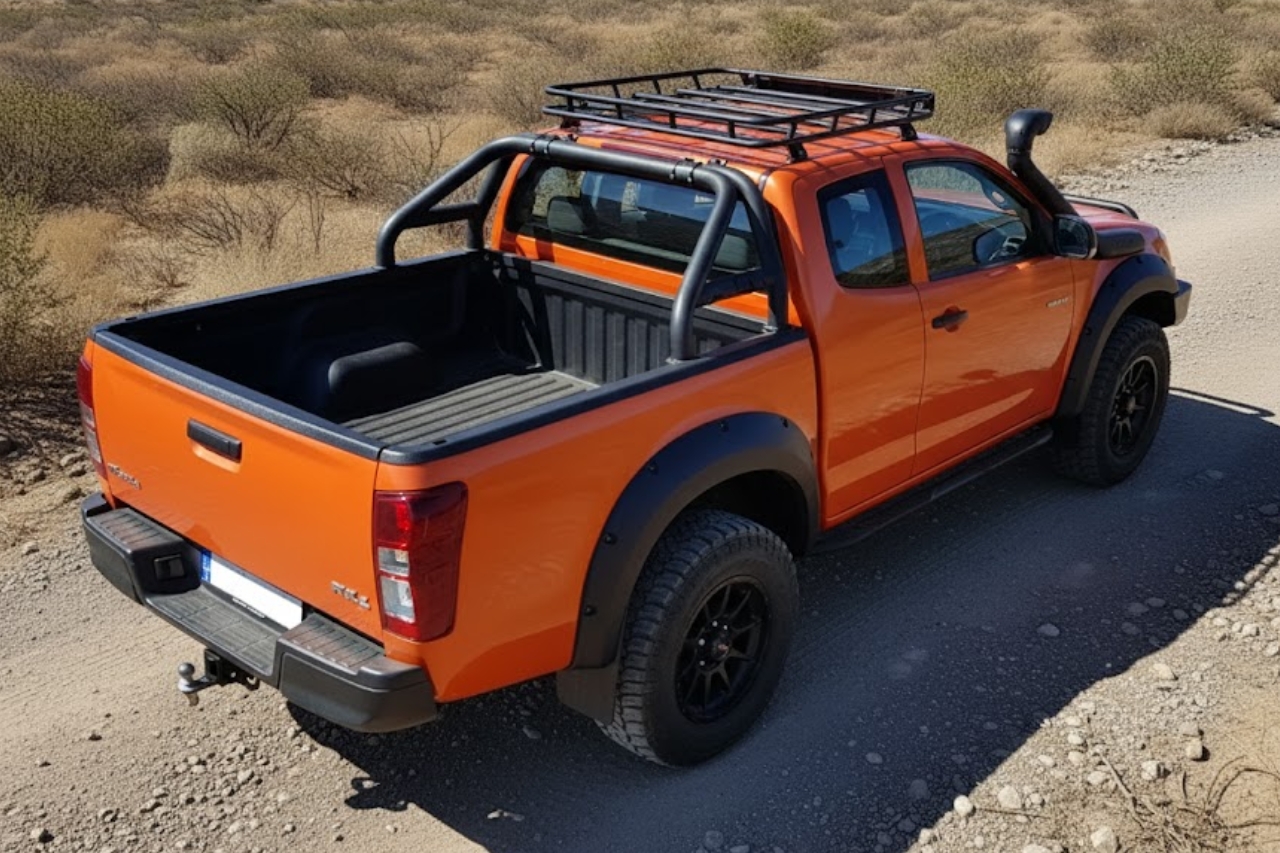
Buying a Used 4JA1 Engine: Red Flags, Service Tips, and Smart Upgrades
Drikus · 11/10/2025 · 10 min read
The Isuzu 4ja1 engine is a popular choice for South African bakkies and light commercials because of its simplicity, economy and availability in the used market. This guide answers the most common questions buyers and mechanics ask when sourcing, inspecting and installing a second-hand or rebuilt 4ja1 engine, with practical tips for workshops, parts suppliers and DIY owners.
What is the Isuzu 4ja1 engine and why is it common in South Africa?
The 4ja1 engine is a 2.5-litre, naturally aspirated diesel inline-four introduced by Isuzu and fitted to many Isuzu bakkies, 4x4s and light commercial vehicles. According to Wikipedia, the 4JA1 family is known for robust low-end torque and straightforward mechanical design, which makes it relatively easy for independent workshops and parts suppliers to service and rebuild. That simplicity, combined with a large local parc of older Japanese imports and German/Asian stripped spares, helps explain why the 4ja1 is a mainstay in South Africa's second-hand engine market.
In practice, buyers across the country value the 4ja1 engine for its balance of fuel economy and durability, and for how well it integrates with commonly available gearboxes and drivetrains found in local bakkies and 4x4s. For many small auto repair businesses and dismantlers that supply affordable engines and gearboxes, the 4ja1 is a regular stock item.
How do I tell a good used 4ja1 engine from a bad one?
Spotting a reliable used 4ja1 engine starts with a methodical inspection: visual condition, compression, oil quality, coolant traces, and accessory condition are key. A good engine will show even compression across cylinders, clean oil (or at least no metallic sheen), no coolant in the oil, and no heavy smoke at cold start. Signs to watch for include uneven compression, metal flakes in oil, persistent white or blue smoke, or a seized turbo (for turbocharged variants).
Inspect the mount points, flywheel face and crank for scoring, and check that timing components are intact and not ignored. If possible, get a test run on a stand to evaluate idle quality and smoke. Where mechanical history is unknown, insist on a short warranty and, if available, a mileage or hours statement from the supplier. Engine sellers who provide parts histories and rebuild receipts usually offer better long-term value.
What are the top red flags when buying a second-hand 4ja1 engine?
Red flags include evidence of head gasket failure (oil in coolant or coolant in oil), overheating damage, cracked blocks, badly worn mounts, and engines sold 'as-is' without inspection rights. Engines with a history of running on poor or contaminated fuel often have damaged injector pumps and injectors, which can be an expensive hidden cost.
Oil that smells of coolant or looks milky — possible head gasket failure.
Blue smoke on start — indicates burning oil, ring or valve wear.
Metal grit in oil — suggests internal bearing or piston damage.
Noisy cam or bottom end — potential timing or bearing issues.
Missing or broken ancillaries (injector pump, alternator, turbo) not disclosed by the seller.
If an engine is notably cheaper than market average, ask why and get written confirmation of the engine's condition. Reputable suppliers of imported and rebuilt engines in South Africa often test engines on a dyno or provide compression reports.
How should I perform a compression and leak-down test on a 4ja1 engine?
A compression test and a leak-down test reveal the health of the combustion chambers and valves. For the 4ja1 engine, expected cold compression values for a healthy cylinder are typically consistent across all four cylinders; variance greater than 10-15% is a concern. Use a reliable diesel compression gauge and follow manufacturer cranking speed guidelines.
Steps:
Warm the engine to normal operating temperature when possible.
Disable fuel and ignition (as applicable) and remove glow plugs/injectors to get accurate readings.
Crank the engine several rotations and record the peak psi/kPa per cylinder.
For leak-down, introduce compressed air into the cylinder at TDC and listen for leakage at the intake/exhaust or crankcase; this helps isolate valve vs ring issues.
Document the numbers and compare across cylinders. If compression is low but the leak-down indicates leakage past rings rather than valves, a top-end overhaul may still leave the bottom end serviceable — a relevant consideration when sourcing second-hand engines from dismantlers or engine importers.
Should I buy a rebuilt 4ja1 engine or a stripped-down imported unit?
Deciding between a rebuilt 4ja1 engine and an imported stripped unit depends on budget, desired risk level and turnaround time. Rebuilt engines typically come with a thorough parts replacement (pistons, rings, bearings, sometimes head work) and short warranties; they cost more but reduce the risk of early failure. Imported stripped engines are cheaper and may be a good fit for cost-sensitive repairs, but they often require additional parts and labour: new injectors, seals, or a valve job for example.
Consider the following table when choosing:
Option
Pros
Cons
Rebuilt 4ja1
Lower failure risk, warranty, less immediate shop labour
Higher upfront cost
Imported/Used 4ja1
Lower purchase price, wide availability through importers and dismantlers
Potential hidden repairs, no or short warranty
For mechanics supplying small businesses and private owners across South Africa, a balanced option is to source a tested imported engine from a reputable supplier and fit a new wear kit (water pump, timing belt/chain, injectors) during installation to reduce early risk. Diversity Spares and similar suppliers often list tested engines along with available spares for older vehicles.
How much should I budget for installing a used 4ja1 engine in South Africa?
Costs vary by region, condition and whether ancillary parts are included. Budget items include the engine price, labour, new gaskets/seals, cooling system components, timing components, injectors and possibly a new clutch or gearbox alignment. As a rough guideline, buyers should expect engine purchase + basic install parts to be a fraction of the vehicle’s replacement value — often saving 30–60% compared with a new long-block replacement.
Breakdown (approximate and depends on shop rates):
Used/imported 4ja1 engine: price varies widely by condition.
Gasket/seal kit, water pump, pulleys: moderate cost.
Labour: depends on workshop; complex installs cost more.
Always request a written quote that separates parts from labour. For bulk supplies to mechanics and crash repairers, many engine importers in South Africa can offer trade pricing or package deals including delivery and documentation.
What servicing and maintenance should follow installation of a 4ja1 engine?
After installation, establish a strict break-in and maintenance routine: first oil and filter change at about 500–1,000 km after rebuild or fitment, then follow standard diesel service intervals. Regular checks on fuel filters, coolant, valve clearances and injection timing will prolong life. Replace glow plugs if the engine has a hard cold start history, and use quality diesel filters to protect the injection pump.
Recommended initial checklist:
Oil and filter change (short interval after installation)
Replace fuel filters and bleed fuel lines
Inspect and, if necessary, replace timing belt/chain and tensioners
Check coolant condition and thermostat operation
Test smoke levels and idle stability, adjust injection timing if needed
Many independent workshops and parts stores that focus on used engines and gearboxes provide tailored maintenance kits for such installs; ask suppliers if they can bundle these items when you buy the engine.
Are there affordable performance or reliability upgrades for the 4ja1 engine?
For owners who want improved reliability or modest performance, cost-effective upgrades are possible without major engine surgery. Popular upgrades in the workshops and auto spares industry include high-quality fuel filters, upgraded injectors (matched and calibrated), intercooling (for turbo variants), and improved cooling hoses and thermostats to prevent overheating.
Reliability-focused upgrades:
Replace the fuel lift pump and fit a good pre-filter/water separator.
Install a stronger radiator and a high-flow thermostat if you work the vehicle in high-load conditions.
Use synthetic-grade engine oil and change it on a tighter schedule initially.
Performance upgrades should be modest; the 4ja1 responds best to efficient fueling and breathing (clean intake, serviceable exhaust) rather than aggressive mapping. Local mechanics who supply engines, gearboxes and stripped spares often recommend practical upgrades that improve longevity for bakkies used in heavy work.
How do I source genuine or high-quality parts for a 4ja1 engine in South Africa?
Sourcing parts involves balancing price with provenance. For critical items (injectors, injector pumps, head gaskets, timing components), buy from reputable suppliers who provide warranties or verification. In South Africa, many businesses specialising in engine imports, second-hand engines and stripped spares can supply tested components. For new parts, use established auto parts retailers and OEM-equivalent aftermarket parts.
Useful actions:
Ask for part numbers and cross-reference them with OEM lists.
Request test reports where available (e.g., injector spray patterns, engine compression reports).
Consider buying a parts bundle from an engine supplier to ensure matching wear items are renewed at install.
To get parts or request quotations, you can use a supplier’s contact or spare-form facilities to request specific items and arrange nationwide delivery to workshops in South Africa.
What warranties or guarantees should I expect when buying a used or rebuilt 4ja1 engine?
Warranty terms vary widely. Rebuilt engines sold by established rebuilders typically include a short warranty (30–90 days or a few thousand kilometres) covering mechanical failure under normal use. Imported used engines may come with a limited test-run warranty or none at all. When possible, negotiate a conditional warranty that covers major failure due to pre-existing damage (e.g., cracked block) for a short period.
Get warranties in writing and clarify exclusions (e.g., failures due to neglected maintenance after installation). Some suppliers require that the engine is installed by a certified workshop and that the buyer uses recommended fluids and initial service schedules to keep the warranty valid. Remember that a longer warranty usually signals higher seller confidence in the engine’s condition.
Where can I find reputable 4ja1 engines, spare parts and workshop support in South Africa?
Reputable sources include specialist engine importers, dismantlers that supply Japanese and German stripped spares, and established auto spares shops that support bakkie and 4x4 owners. Look for suppliers who offer tested engines, documented inspections, nationwide delivery and clear contact options. Many suppliers also maintain stock of compatible gearboxes and drivetrain components for complete replacement packages.
Useful links to get started with enquiries and parts in South Africa:
Engine imports and packaged engine options: https://diversityengines.com/engine-imports/
Used car parts and stripped spares: https://diversityengines.com/used-car-parts/
Request a spare or parts quote: https://diversityengines.com/spare-form/
Contact suppliers directly for quotes and delivery: https://diversityengines.com/contact-us/
Read local technical articles and updates: https://diversityengines.com/blog/
For workshops that need fast-turnaround parts or bulk supply of engines and gearboxes, building a relationship with one or two reliable importers of Japanese engines and dismantled German spares will reduce downtime and help control costs for customers in workshops across South Africa.
How does the market context in South Africa affect 4ja1 engine availability and pricing?
Local market forces — rising fuel prices, a large parc of older imported vehicles, and strong demand for cost-effective repairs — shape availability and pricing. According to NAAMSA, South Africa’s vehicle parc has grown steadily and supports a healthy aftermarkets sector, which keeps demand for engines and stripped spares high. That means sourcing options are plentiful but quality varies, so buyer diligence is crucial.
Additionally, used-engine imports and dismantled parts help keep repair costs lower for small auto repair businesses and individual owners. According to industry sourcing trends, many independent garages in South Africa prefer tested second-hand engines with basic warranties because they balance cost and reliability. When comparing offers, consider the total cost: purchase price, fitment, parts replaced at installation, and the supplier’s reputational track record.
Final checklist: Before you buy a 4ja1 engine
Before signing off on a purchase, run a final checklist to reduce surprises and protect your budget. Ensure you have written test results (compression, leak-down), a clear description of included ancillaries (injectors, pump, turbo if applicable), a warranty or return policy, and an installation plan that includes immediate post-install service.
Essential checklist:
Written condition report and any test results
List of included ancillaries and spare parts required
Delivery and fitment logistics and costs
Warranty terms in writing and vendor contact info
Post-install service schedule and initial oil change plan
Armed with careful inspection, reliable supplier contacts and the right parts, buying a 4ja1 engine can be a cost-effective way to keep bakkies, 4x4s and light commercial vehicles on the road in South Africa. According to multiple industry sources, used engines and stripped spares remain a practical solution for mechanics and owners who need quick, affordable and reliable replacements.