CCZ Engine Guide: Everything You Need to Know About VW’s 2.0 TSI Powerplant
Drikus · 10/16/2025 · 9 min read
The CCZ Engine is a 2.0 TSI petrol powerplant widely used across Volkswagen Group models — this guide explains what it is, common faults, cost-effective sourcing options in South Africa and practical advice for workshops and motorists.
What is the CCZ Engine?
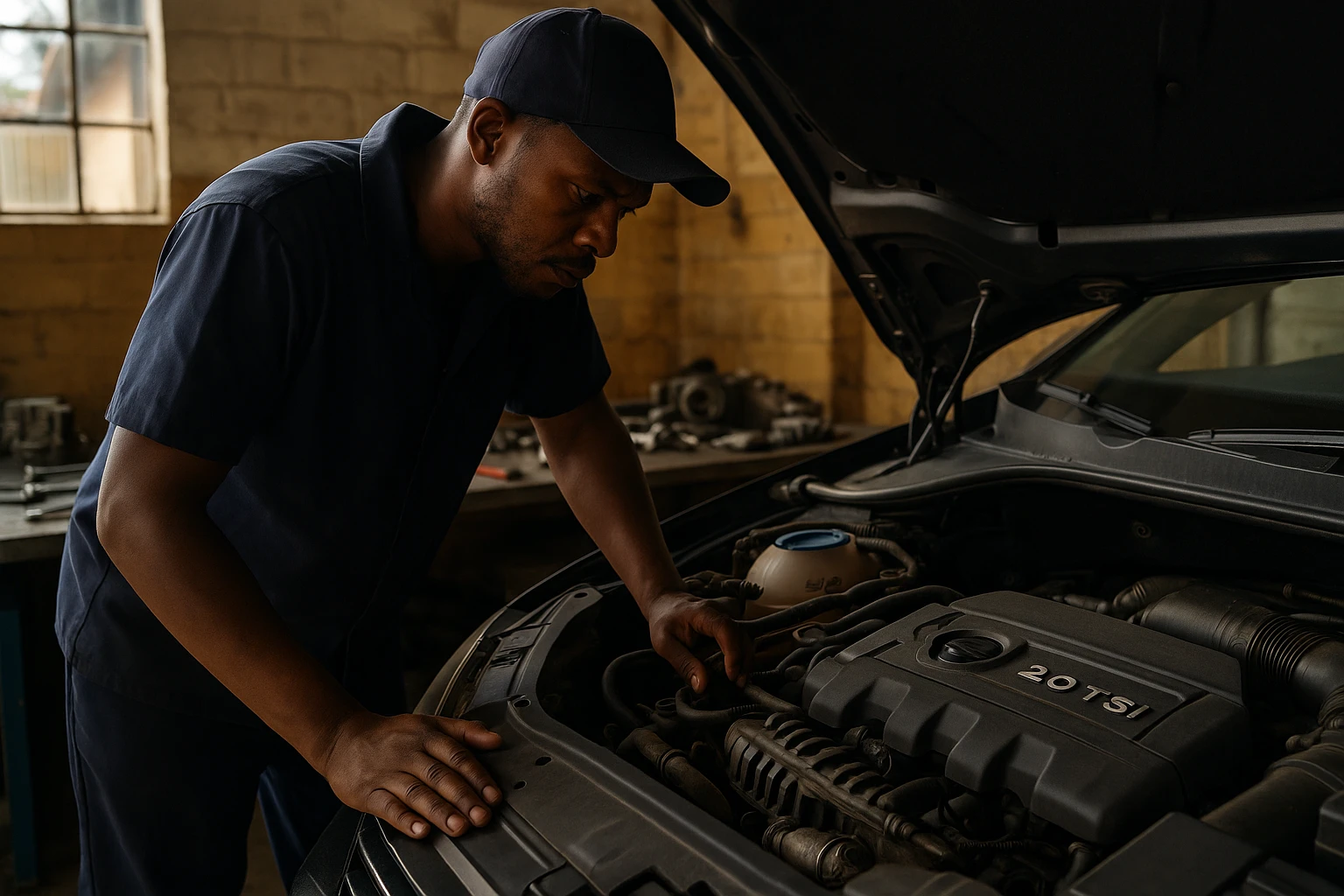
The CCZ Engine refers to a version of Volkswagen Group’s 2.0 TSI (turbocharged stratified injection) petrol engine family commonly identified by engine codes such as CCZ in parts catalogues and dismantler listings. The 2.0 TSI is part of the EA888 family that blends turbocharging with direct injection to deliver strong mid-range torque and reasonable fuel economy for petrol engines.
Technically, the CCZ is a petrol, four-cylinder, turbocharged engine frequently found in Golfs, Passats, Jettas and other VW Group cars. It is popular on the second-hand market and among shops providing rebuilt and imported engines because of its broad parts availability and shared components across German and Japanese donor cars.
According to Volkswagen, TSI technology combines turbocharging and direct injection to improve performance and efficiency compared with older naturally aspirated designs.
Which vehicles commonly use the CCZ Engine?
The CCZ 2.0 TSI appears in a number of Volkswagen, Audi, Seat and Skoda models. Below is a concise table showing common applications and typical year ranges — always confirm the engine code on the vehicle or in the VAG parts catalogue before buying a replacement.
Make / Model
Typical Years
Notes
Volkswagen Golf / Jetta
2008–2015
Common donor; variations in ECU and ancillaries
Volkswagen Passat
2009–2016
Used in higher-spec petrol variants
Audi A3 / A4
2008–2015
Often fitted with different exhaust/turbo plumbing
Seat Leon / Ibiza
2009–2016
Shared block and many swap-friendly parts
According to Wikipedia, the EA888 2.0 TSI family has been adapted into many power outputs across models and years — check the linked model pages for exact fitment and power figures (Volkswagen TSI engine).
What are the most common symptoms of a failing CCZ Engine?
Identifying early symptoms can save time and money. Common signs of CCZ engine problems include unexplained oil consumption, turbocharger lag or whining, misfires, rough idling, coolant leaks, and check-engine lights reporting ignition or fuel trim faults.
Many symptoms come from components rather than the block itself: failing ignition coils, clogged high-pressure fuel pump (HPFP) or injectors, turbo oil feed blockages, or timing chain tensioner wear. For example, a misfire code might indicate a coil pack, plugs or a leaking injector rather than a catastrophic engine failure.
How much does a replacement CCZ Engine cost in South Africa?
Costs vary widely by source and condition. A rough South African market breakdown looks like this:
Imported used core (good running) — typically the most affordable option for DIY fitting.
Rebuilt/remanufactured engine — mid-range cost with a warranty; preferred by workshops wanting dependable turnaround.
Brand-new or long-block replacements — highest cost, often reserved for restorations or long-term ownership goals.
Exact prices depend on supply, exchange rates and shipping. In South Africa, rising petrol prices and higher maintenance demand have increased interest in cost-effective stripped spares and second-hand engines, driving competitive pricing from suppliers and specialty dismantlers. According to the Automobile Association of South Africa (AA), higher fuel costs have encouraged motorists to seek affordable engine and gearbox replacements rather than newer vehicles.
When budgeting, factor in the cost of ancillaries (ECU, wiring loom, turbo, manifolds, sensors) and labour for ECU coding and immobiliser matching — these can add significantly to the final bill if not included in the sale.
Can I fit a CCZ Engine into a different gearbox or vehicle?
Swap compatibility depends on multiple factors: gearbox bolt pattern, flywheel and clutch compatibility, engine mounts, ECU, wiring harness, and drivetrain electronics. Many South African workshops successfully mate CCZ engines to compatible VAG gearboxes (manual and DSG), but expect to address ECU coding, immobiliser synchronization and possibly engine mount modifications.
If you’re planning a swap, list these checks:
Verify bellhousing and gearbox compatibility;
Confirm starter and flywheel fitment;
Plan for ECU/programming and immobiliser integration;
Ensure exhaust, downpipe and turbo plumbing can be matched;
Check driveshaft and ABS sensor compatibility.
Workshops specialising in imported engines and gearboxes can often supply conversion kits or advice — ask about tested donor combos and documentation before committing.
Where should I buy CCZ engines and spares in South Africa?
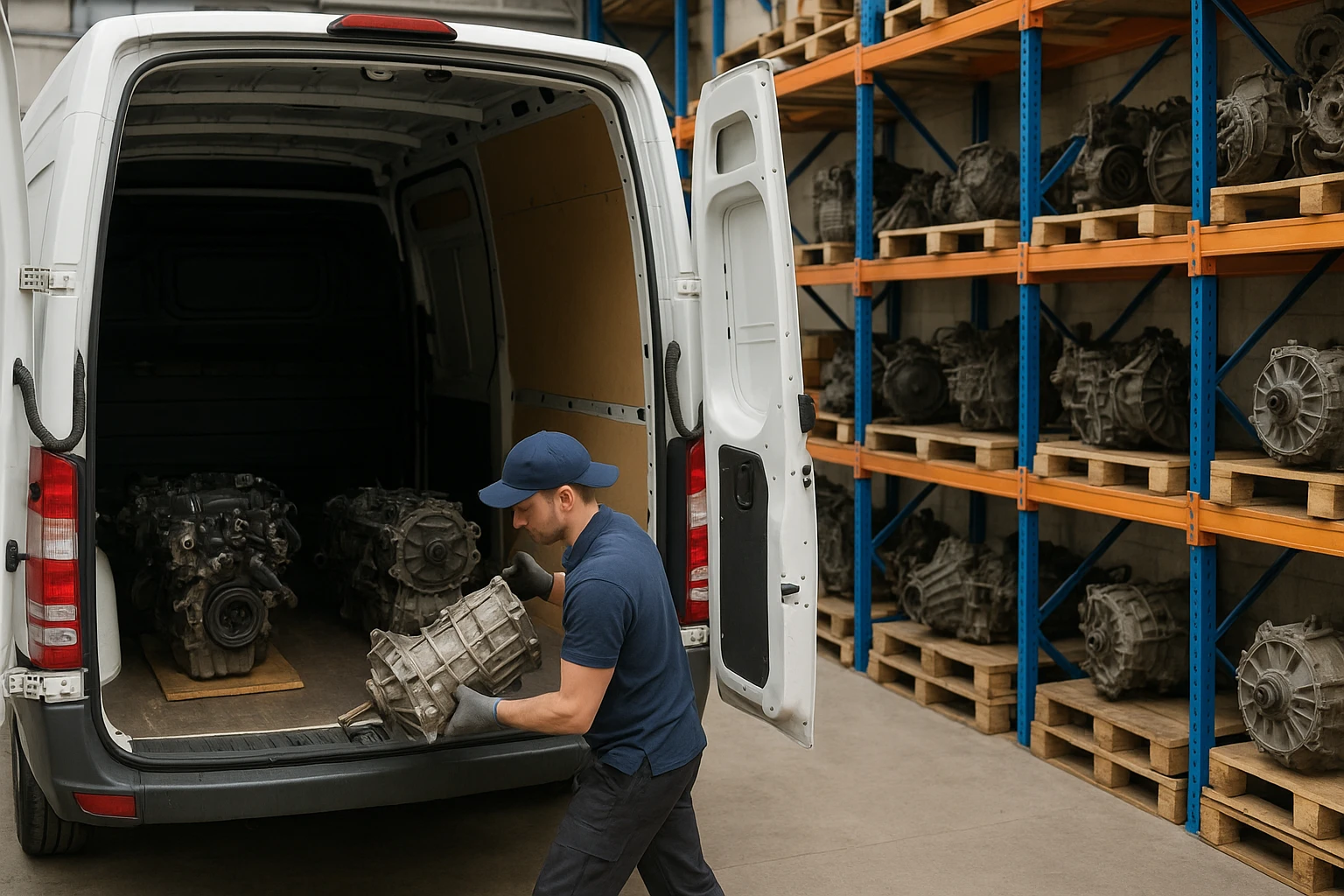
There are several channels to consider: local dismantlers with stripped spares, specialist importers that ship tested second-hand engines, remanufacturers that rebuild to warranty, and retailers stocking new ancillaries. If you need bulk supply or parts for a small repair shop, ask suppliers about stock levels, lead times and nationwide delivery.
Helpful starting points include specialist engine import pages and used-parts shops that document engine codes and provide core returns. For example, suppliers who handle engine imports and used parts can streamline sourcing: check listings under engine imports and used car parts to match engine codes and confirm included ancillaries. If you have an engine to sell or need a quote, use a spare parts request form to speed up matching and pricing.
For direct enquiries and to arrange collection or delivery, use a contact option with verified reviews and clear warranty terms. Reliable suppliers will supply photos, run tests, offer short warranties and provide nationwide delivery in South Africa.
Suggested actions:
Search specialist engine import listings for CCZ codes;
Compare prices for rebuilt vs. used long-blocks;
Use the spare parts request form to speed up accurate quotes;
Contact suppliers to confirm what ancillaries come with the engine.
Is it better to buy a rebuilt, imported, or second-hand CCZ Engine?
Each option has trade-offs. Imported second-hand engines are often the most cost-effective and plentiful — ideal for cash-conscious repairs. Rebuilt engines cost more but include refresh work (machining, new bearings, new seals) and often come with a warranty, which many small repair businesses prefer for parts assurance. New-old-stock or brand-new long-blocks are rare and most expensive.
Consider your use-case:
Car owner on a budget: a tested used CCZ engine with verified running condition may be best;
Workshop wanting lower callbacks: a rebuilt/remanengine with warranty reduces risk;
High-performance builds: consider a new or extensively upgraded base and plan for matching drivetrain components.
When buying, request compression/leakdown numbers, service history, and a parts list for ancillaries included in the sale. Reputable suppliers will offer transparent inspection checks and clear return policies.
What are key maintenance tips to prolong CCZ Engine life?
Regular maintenance is crucial to prolong the life of a CCZ 2.0 TSI. Key tasks include scheduled oil and filter changes with the correct VW-approved synthetic oil, periodic spark plug and ignition coil checks, turbo care (allow warm-down idle time after hard driving), and attention to the timing chain and tensioner — although the EA888 family uses a timing chain, tensioner wear is a known service point.
Recommended practices:
Use manufacturer-specified oil and change at recommended intervals;
Replace spark plugs and coils as preventative maintenance;
Address check-engine lamp codes quickly to avoid collateral damage;
Keep the PCV and oil separator clean to avoid oil contamination of the intake;
Inspect turbo oil feed and return lines during every major service.
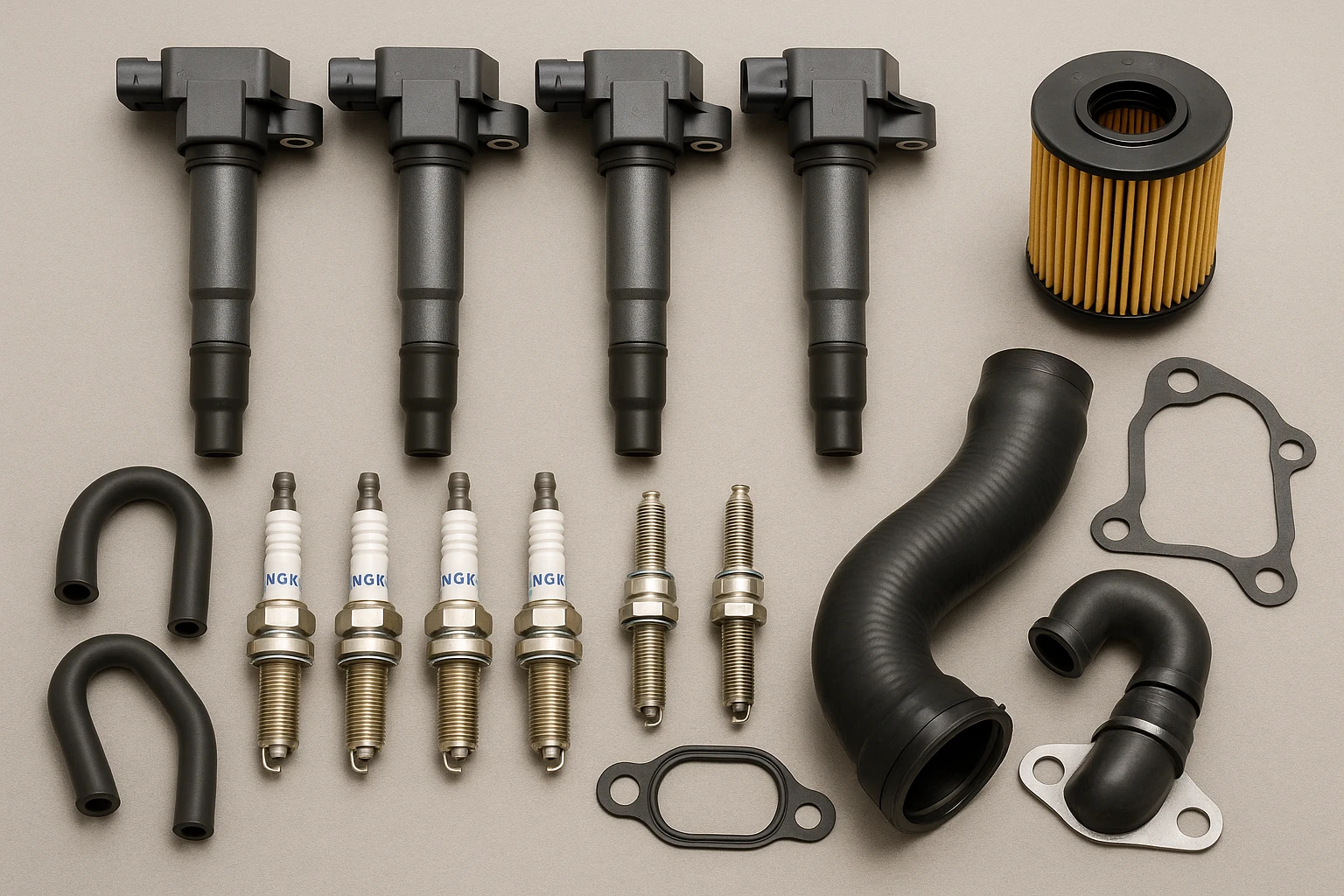
Routine maintenance not only reduces the chance of expensive failures but also preserves the resale value of the vehicle. For workshops, keeping commonly replaced parts (coils, plugs, oil filters, HPFP filters) in stock speeds repairs and satisfies customers quicker.
How do CCZ Engine performance and fuel economy compare?
The CCZ 2.0 TSI balances performance and economy for a petrol engine. Factory outputs vary by tune and model, but the engine is known for strong mid-range torque and good drivability when well-maintained. According to Wikipedia, EA888 2.0 TSI variants span a wide range of power outputs across generations, which is why tuning and parts compatibility must be confirmed for your specific CCZ code.
Fuel economy depends heavily on driving style, vehicle weight and tuning. Turbocharged engines like the CCZ can be more fuel-efficient than larger naturally aspirated engines when driven conservatively but consume more fuel under spirited driving. Many South African owners find the 2.0 TSI an acceptable compromise between performance and operating cost, particularly where reliable used engines and spares are available.
What are common repairs and parts to keep on hand for CCZ engines?
Workshops and owners should consider stocking the following parts to reduce turnaround times: ignition coils, spark plugs, oil filters, turbo gaskets, intercooler hoses, PCV valve/oil separator kits, high-pressure fuel pump components, timing chain tensioners (if applicable), and common sensors (MAP/MASS, crank and cam sensors).
Having a small inventory of these items is especially helpful for businesses supplying bakkie and 4x4 spares, diesel and petrol repairs, or handling higher volumes of stripped spares. Bulk supply deals from reputable suppliers help independent mechanics maintain margins while offering fast service to customers.
How to choose a supplier of CCZ engines, gearboxes or stripped spares for your workshop?
Choosing the right supplier should focus on stock transparency, core return policies, warranty, nationwide delivery capability and support for installation issues. For small garages and auto repair businesses across South Africa, a supplier who provides clear engine codes, documented test runs, photos and short warranties reduces risk. Also prioritise suppliers that offer bulk supply options and fast turnaround on orders for engines and gearboxes.
Questions to ask a supplier:
Do you provide run-in videos or compression/leakdown reports?
Which ancillaries are included with the engine?
What warranty and returns policy do you offer?
Can you ship nationwide or offer collection?
Use official shop or contact pages on supplier websites to request quotes and technical details — and submit a spare-form when you need precise matching of codes and parts.
Final checklist: buying and installing a CCZ Engine in South Africa
Before you buy, confirm the engine code (CCZ), request test documentation, verify what ancillaries are included, check warranty terms, and ensure the supplier offers nationwide delivery or collection. For workshops, ask about bulk pricing and fast turnaround to keep customer vehicles on the road. If you’re unsure, consult experienced mechanics who specialise in imported engines, second-hand spares and rebuilds.
For parts and engine sourcing, consider viewing specialist engine imports and used car parts listings to compare options, or submit a spare parts request to get matched quotes quickly. If you need more help, contact a supplier directly to discuss fitment, coding and guarantees.
Want to source a CCZ Engine or ask about fitting and compatibility? Start with a specialist engine import listing, check used car parts stock or submit a spare-form to get a tailored quote. For direct enquiries, use an established contact route and ask for run-in verification and warranty details before purchase.
Related resources:
According to Volkswagen, TSI technology combines turbocharging with direct injection for better efficiency. According to Wikipedia, the EA888 2.0 TSI family covers a wide power range depending on tune and generation. According to the Automobile Association of South Africa (AA), rising petrol prices have increased demand for cost-effective stripped spares and engine rebuilds.