
Engines and Gearboxes
CLP Engine: What It Is, Common Problems, and What to Check Before Buying in SA
Drikus · 2/13/2026 · 11 min read
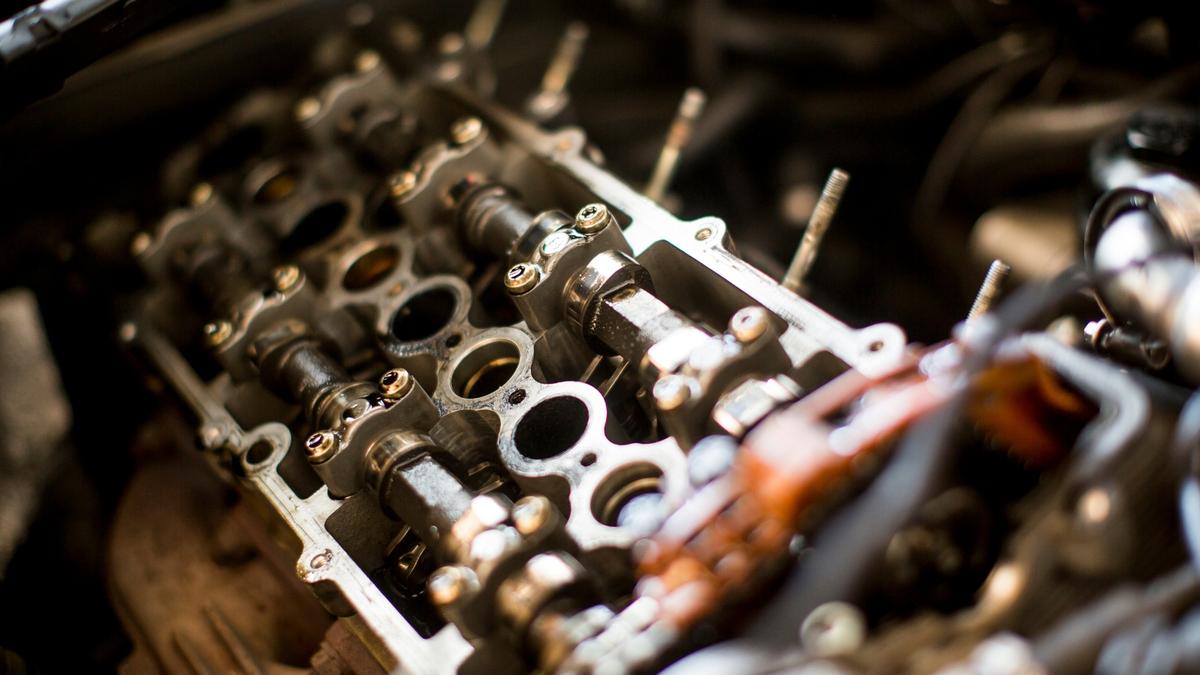
clp engine is a term buyers in South Africa often encounter when shopping for replacement motors, rebuilt units, or stripped spares. This guide answers the key questions mechanics, fleet operators and private buyers ask before committing to a purchase, helping you compare imported Japanese and German engines, rebuilt units, and second-hand options.
If testing is beyond your skillset, request that the supplier perform and certify these tests. Many reputable yards will provide a test report as part of the sale.
What exactly is a clp engine and why does the term matter?
A clp engine generally refers to a specific classification used by dismantlers and import yards to identify an engine type or condition — often shorthand in listings for a 'complete' or 'cleaned and low mileage' power unit. The exact meaning can vary between sellers, so it’s vital to confirm specifics before purchase. Understanding what a seller means by clp engine helps when you’re comparing options: is the unit Japanese-imported, rebuilt locally, or a stripped donor motor? These differences affect compatibility, price, and long-term reliability. For a technical baseline, you can read about engine fundamentals on Wikipedia, which explains how internal combustion engines are categorised and rated.How can I tell if a clp engine is suitable for my vehicle?
Compatibility is more than engine size. A clp engine must match your vehicle’s mounting points, gearbox bellhousing pattern, ECU and wiring loom compatibility, ancillaries (alternator, starter), and emission control equipment. If your vehicle is a bakkie or 4x4, drivetrain components and transfer cases also need to align. Start by checking the engine code on your current motor and verifying the clp engine’s serial or ID number with the seller. Ask for a printout or photo of the engine tag, and request details about the fuel type (diesel or petrol), turbocharger presence, and injector type. Many mechanics in South Africa prefer Japanese engines for their parts availability, but German imports are chosen when specific performance or engineering standards are required.What are the most common problems found in clp engines?
Common issues you’ll encounter with clp engine units include oil leaks, head gasket failure, worn piston rings leading to low compression, clogged EGR/PCV systems, and turbocharger wear on diesel variants. Electrical faults from removed sensors and damaged wiring looms are also frequent in second-hand engines. Symptoms to watch for: smoke at startup (blue smoke = burning oil), white smoke (coolant leak), loss of power, excessive oil consumption, and unusual knocking noises. These symptoms can indicate costly repairs if not identified early.What should I check before buying a clp engine in South Africa?
Before buying a clp engine in South Africa, perform both paperwork and physical checks. Paperwork includes service history, mileage verification where possible, and any import documentation for imported units. Physically inspect the engine for signs of corrosion, damaged mounts, cracked manifolds, and stripped threads. If the seller offers a running test, listen for knocks and check oil pressure and coolant temperature behaviour. Important steps:- Verify engine code and match to your vehicle’s required spec.
- Ask for photos of the tag, bellhousing, and mount points.
- Request a compression test or leakage test if available.
- Check for visible coolant/oil contamination.
How reliable are imported clp engines vs locally rebuilt units?
Imported engines (commonly Japanese or European) are often favoured because many arrive with lower recorded mileage and original manufacturer components. Locally rebuilt engines can be excellent value if rebuilt to high standards with quality parts and proper testing, but workmanship varies between workshops. When comparing reliability consider these points:- Imported engines may have OEM parts and original tolerances but could carry undisclosed wear from previous use.
- Rebuilt engines allow you to choose new wear items (pistons, bearings, gaskets) and often include a local warranty, but initial cost and rebuild quality determine value.
- Second-hand stripped engines are cheapest but require the most due diligence.
How much does a clp engine cost and is it cost-effective?
Prices vary widely: a stripped clp engine can be the most economical short-term fix, while a rebuilt or imported complete unit commands higher prices. Cost-effectiveness depends on the vehicle’s age, condition of the gearbox (a failing gearbox can make a new engine pointless), and the intended remaining life of the vehicle. Factors affecting price:- Engine make/model and demand (Japanese engines often attract less premium than rare German units).
- Whether ancillaries and ECU are included.
- Mileage and documented history.
- Seller warranty and delivery costs—nationwide delivery is available from many suppliers in South Africa.
What paperwork and warranties should come with a clp engine purchase?
Ask for clear paperwork: a sales invoice, engine serial number, odometer declaration if possible, and any warranty terms. Many reputable suppliers provide limited warranties that cover catastrophic failure for a set period or mileage. Avoid purchases with no returns policy or no ability to test drive if the seller claims the engine is running. Checklist of documents:- Invoice with seller contact details.
- Engine serial/ID tag photo or printout.
- Warranty statement (duration, exclusions, claim process).
- Delivery and fitment terms—does the supplier offer a fitment guarantee?
How should a clp engine be installed — DIY vs professional fitting?
Installing a clp engine is a significant job that can quickly become complex. DIY installation is possible for experienced technicians with the right tools, hoist, and alignment equipment, but most private owners will find professional fitting quicker and safer. Professional fitters can also diagnose related issues such as gearbox compatibility, ECU mapping and drivetrain alignment. Gearbox concerns:- Ensure bolt patterns and input shaft splines match.
- For automatic transmissions, check torque converter fit and ECU pairings.
- Diesel engines may require additional fuel system bleeding and injector coding.
Where can I source quality clp engines, spares and gearboxes in South Africa?
Sourcing reputable suppliers is key. Look for businesses that test engines, offer nationwide delivery, provide part warranties, and can supply stripped spares for older vehicles. Suppliers who handle Japanese and German engines, and who specialise in bakkie and 4x4 spares, are common in the South African market. Recommended actions:- Buy from suppliers with clear online inventories and brand listings.
- Check reviews and ask for references from local mechanics.
- Confirm shipping and return policies before purchase.
How should I maintain a clp engine to extend its life?
Maintenance is critical whether your clp engine is imported, rebuilt, or second-hand. Start with a complete fluid change — fresh oil, new filter, coolant flush, and replacing drive belts and hoses where necessary. Run a break-in routine for rebuilt engines to allow piston rings and bearings to seat properly. Routine checklist:- Change oil and filter at initial 500–1,000 km after fitment and then at regular intervals.
- Replace timing belt/chain if history is unknown.
- Inspect turbocharger and intercooler hoses on diesel units.
- Keep fuel system clean; use quality fuel and filters.
What technical checks and tests should I perform before installation?
Before you install a clp engine, perform specific tests and checks to avoid surprises. These diagnostics reduce the risk of fitting a non-running unit or an engine with hidden damage. Essential pre-installation tests:| Test | Why it matters |
|---|---|
| Compression test | Shows piston ring and valve sealing condition; low readings indicate internal wear or head gasket issues. |
| Leak-down test | Pinpoints where compression is lost (valve, ring, or head gasket). |
| Visual inspection | Detects external damage: cracks, corrosion, and stripped flanges. |
| Oil and coolant inspection | Milky oil indicates coolant ingress; sludge suggests poor maintenance. |
| Running test (if possible) | Confirms oil pressure, smoke, knocking and idling characteristics. |
Final checklist — deciding whether to buy a clp engine
Buying a clp engine can save significant money and keep an older vehicle roadworthy, but it requires careful checks. Verify compatibility, inspect the engine physically and via tests, confirm paperwork and warranty, and consider the fitment cost including potential gearbox matching and ECU work. Factor in nationwide delivery and spare parts availability if you are sourcing Japanese or German stripped spares. Summary action list before purchase:- Confirm engine code and compatibility with your gearbox and ECU.
- Insist on compression and visual checks, or an independent inspection.
- Obtain a clear warranty and written return policy.
- Compare imported vs locally rebuilt options for long-term value.
- Work with suppliers who support mechanics and small auto repair businesses with fast turnaround and parts delivery.