Ford Rocam Engine Specs, Reliability, Common Issues
Drikus · 10/30/2025 · 8 min read
The ford rocam engine is a popular small-capacity petrol engine used in many Ford models and swaps; this guide covers its specs, reliability, common issues, maintenance and how to source replacement and rebuilt engines across South Africa.
What is the Ford Rocam engine?
The Ford Rocam engine is a family of small-displacement, overhead-cam petrol engines developed by Ford for economical passenger cars and light commercial vehicles. Designed to be simple, durable and easy to maintain, the Rocam was widely adopted in markets where cost-effective, fuel-efficient engines are in demand. According to Wikipedia, Ford and its regional partners developed variations of the Rocam to suit emission and market requirements.
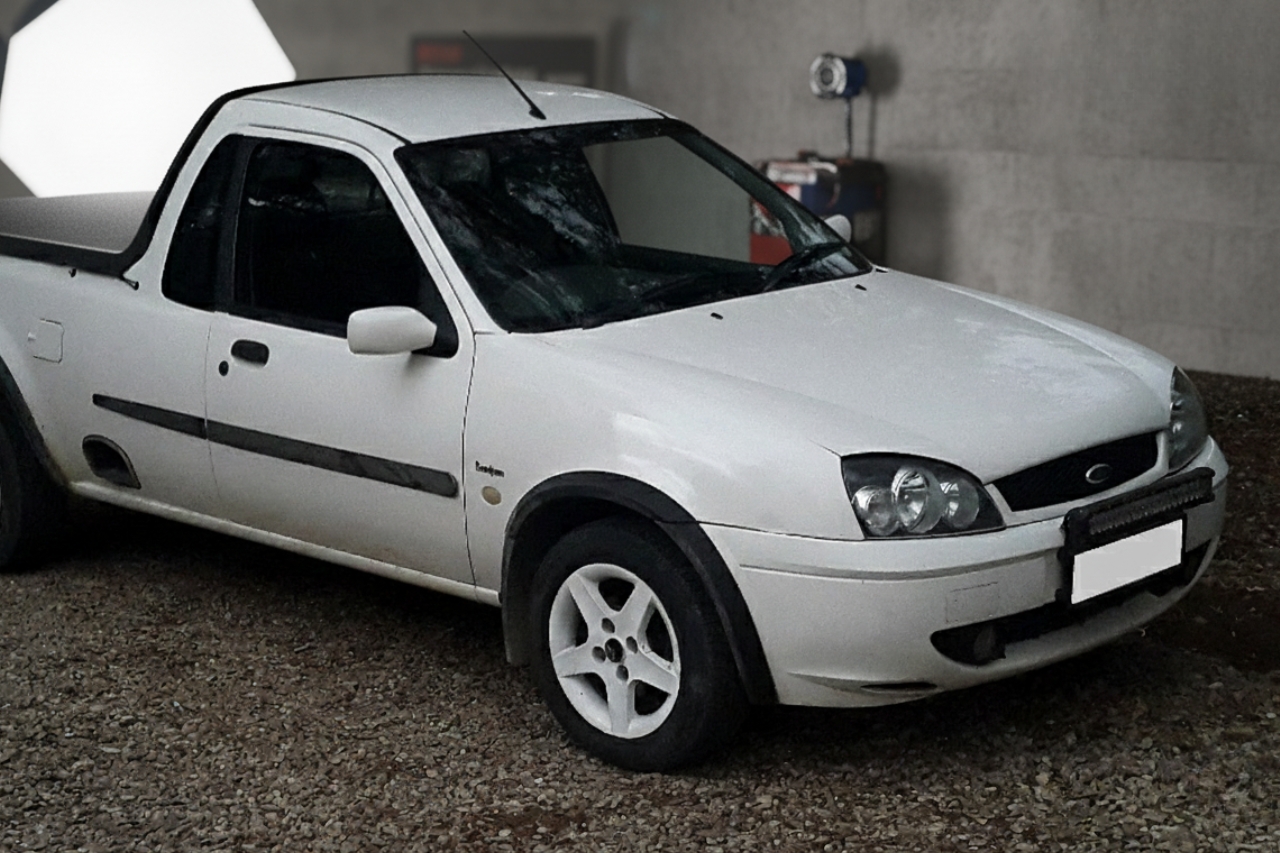
In South Africa, the Rocam can be found in older compact cars and is popular for engine replacement projects for bakkies and 4x4 conversions because it balances cost and reliability. For parts and rebuilt units we offer, check our engine imports page or browse new and used spares:
The Ford Rocam engine comes in multiple displacements and configurations depending on market and model year; common versions include 1.0L, 1.3L and 1.6L petrol variants with single or twin overhead cam layouts. These engines emphasize torque at low rpm and fuel economy rather than high-revving power. Typical specifications you’ll see listed include:
Displacements: commonly 1.0L, 1.3L, 1.6L
Valvetrain: SOHC or DOHC depending on variant
Fuel delivery: carburettor or multi-point fuel injection on later models
Power output: varies by tune — economy variants prioritise torque and economy
Quick comparison table (typical ranges):
Variant
Displacement
Approx Power
Common Use
Rocam-Eco
1.0L
50–60 hp
City cars, entry-level models
Rocam-Standard
1.3L
65–85 hp
Compact hatchbacks, bakkie conversions
Rocam-Plus
1.6L
85–110 hp
Light bakkies, 4x4 conversions
These are general ranges — always confirm exact spec with a VIN or engine code before buying a replacement or rebuilt engine.
How reliable is the Rocam engine?
Reliability is one of the Rocam’s strongest selling points. Built for ease of maintenance, the engine tolerates high-mileage use when serviced regularly. In cost-sensitive markets such as South Africa, mechanics prize the Rocam for its simplicity and the availability of stripped spares and second-hand cores from imported engines.
Reliability considerations include:
Timing system: many Rocam engines use simple timing chains or toothed belts — follow the service interval.
Cooling: keep the cooling system in good order to avoid head-gasket issues.
Fuel system: injector cleaning and periodic replacement of filters lengthen life.
According to industry observations and owner reports, well-maintained Rocam engines commonly pass 200,000 km with routine servicing. According to our blog, demand for stripped spares and rebuilt engines has risen in South Africa as owners opt for cost-effective repairs rather than full vehicle replacement.
What are the most common issues with the Rocam engine?
While generally robust, the Rocam has recurring issues that buyers and mechanics should watch for. Knowing symptoms helps decide between a rebuild, replacement or repair using stripped spares from imported engines.
Common issues and their symptoms:
Valve and cam wear — ticking noises, reduced compression.
Head gasket failure — overheating, coolant loss, white smoke from exhaust.
Oil leaks — older seals and gaskets harden and seep oil around cam covers and sump.
Injector and fuel system problems — rough idle, poor throttle response.
Diagnosing these early and sourcing the correct parts (we stock new and used components) prevents expensive engine replacement down the line.
How should I maintain a Rocam engine for longevity?
Regular maintenance is the key to long life for the Rocam. A straightforward service schedule and the use of quality spares will keep running costs low and avoid common failures.
Recommended maintenance checklist:
Oil and filter change every 8,000–12,000 km with quality grade oil.
Replace timing belt/chain per manufacturer interval; inspect tensioners.
Flush and replace coolant every 2–4 years; inspect radiator and hoses.
Clean or replace fuel injectors and filters annually if fuel quality is poor.
Replace valve cover and crankshaft seals when performing major services.
Using the right parts is crucial — sourcing components from trusted suppliers (including new-car-parts and used-car-parts inventories) ensures compatibility and reduces the risk of repeat failures.
How do I diagnose whether I need a rebuild or a replacement?
Deciding between a rebuild and a replacement depends on the damage extent, availability of cores and your budget. A rebuild is cost-effective when damage is limited to wear items; replacement makes sense for catastrophic failures or when a tested imported engine offers better value.
Decision checklist:
Compression test — low or uneven compression across cylinders points to head or piston issues.
Visual inspection — cracked block or warped head usually rules out a simple rebuild.
Cost comparison — compare rebuild labour plus parts vs a quality tested second-hand or rebuilt unit.
We offer nationwide delivery of tested engines and can assist with valuation through our spare form or contact pages.
Where can I buy replacement or rebuilt Rocam engines in South Africa?
Replacement brokering and supply of rebuilt Rocam engines are widely available through specialist importers and dismantlers. In South Africa, small garages and mechanics frequently source stripped spares and complete engines from companies that import tested units and provide nationwide delivery to keep vehicles roadworthy.
Trusted buying routes include:
Suppliers of imported tested engines and gearboxes — see our engine imports page.
Used spares from reputable dismantlers — browse our used car parts.
New replacement parts when a full rebuild is planned — check new car parts.
According to local supply chains and mechanics, having multiple sourcing options speeds repairs and lowers downtime for workshops handling bakkies and 4x4s.
How much does a second-hand or rebuilt Rocam engine cost?
Prices vary based on condition, mileage, included accessories (gearbox, ancillaries) and testing/certification. A stripped core will be cheaper but requires rebuilding; a tested imported engine costs more but reduces fitment risk.
Typical price guidance (ranges, ZAR, indicative only):
Stripped core: lowest cost — suitable for workshops doing full rebuilds.
Rebuilt local engine: mid-range — labour included, parts new or reconditioned.
Tested imported unit: higher cost — generally comes with limited warranty and lower risk.
Always request a full condition report and delivery/warranty terms before purchasing. Use our spare form to send vehicle and engine details and get a tailored quote.
What spares are commonly needed for Rocam rebuilds or repairs?
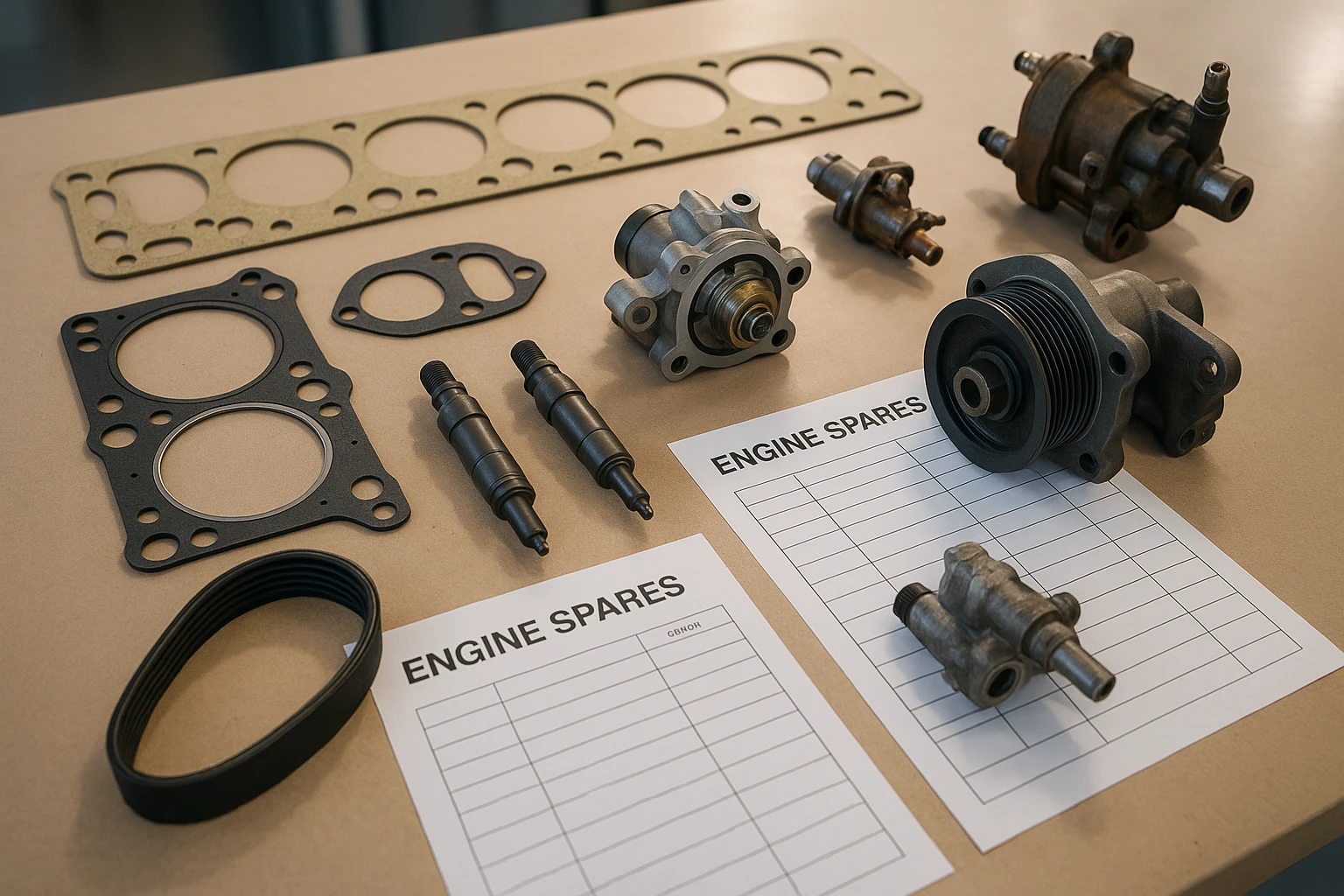
Workshops and DIY mechanics typically source a mix of new and used spares when repairing or rebuilding Rocam engines. Common items include gasket kits, timing belts/chains, water pumps, oil pumps, camshafts, valves, pistons, and injectors.
Typical parts checklist:
Full gasket set (head, intake, exhaust, oil seals)
Timing belt/chain kit with tensioners
Water pump and thermostat
Injectors and fuel pump (if injection variant)
Reconditioned cylinder head or valve set if wear is significant
For ordering, our shop and spare form pages help mechanics secure the right parts quickly to keep turnaround times low for customers who need affordable, quality-tested spares.
Is the Rocam engine a good swap candidate for bakkies and 4x4 conversions?
Because of the Rocam's simplicity and torque characteristics, it is sometimes used as an affordable swap option for light bakkies and project 4x4s. Considerations include mount compatibility, gearbox matching and emissions requirements. Swaps can save money, especially where sourcing Japanese or German engines is costlier.
Swap checklist:
Engine mounts and crossmember compatibility
Flywheel and clutch matching to the chosen gearbox
ECU/ignition modifications for fuel-injected variants
Cooling and intake routing adjustments
Shops that specialise in drivetrain components and imported engines can advise on gearbox and drivetrain compatibility for 4x4 conversions or bakkie swaps.
How do I choose a reputable supplier or workshop in South Africa?
Choosing a supplier requires checking engine testing procedures, warranty terms, part sourcing and after-sales support. Reputable suppliers provide clear condition reports, options for new or used components, and nationwide delivery for busy mechanics and private owners.
Key questions to ask a supplier:
Do you pressure-test and run-test engines before sale?
Is there a written warranty and what does it cover?
Can you supply a full parts list or condition report for the unit?
Do you offer nationwide delivery and fitment assistance?
If you need a quote or more information, use our spare form or contact us for personalised help and bulk supply options for workshops and small businesses.
What warranties, testing and shipping options should I expect?
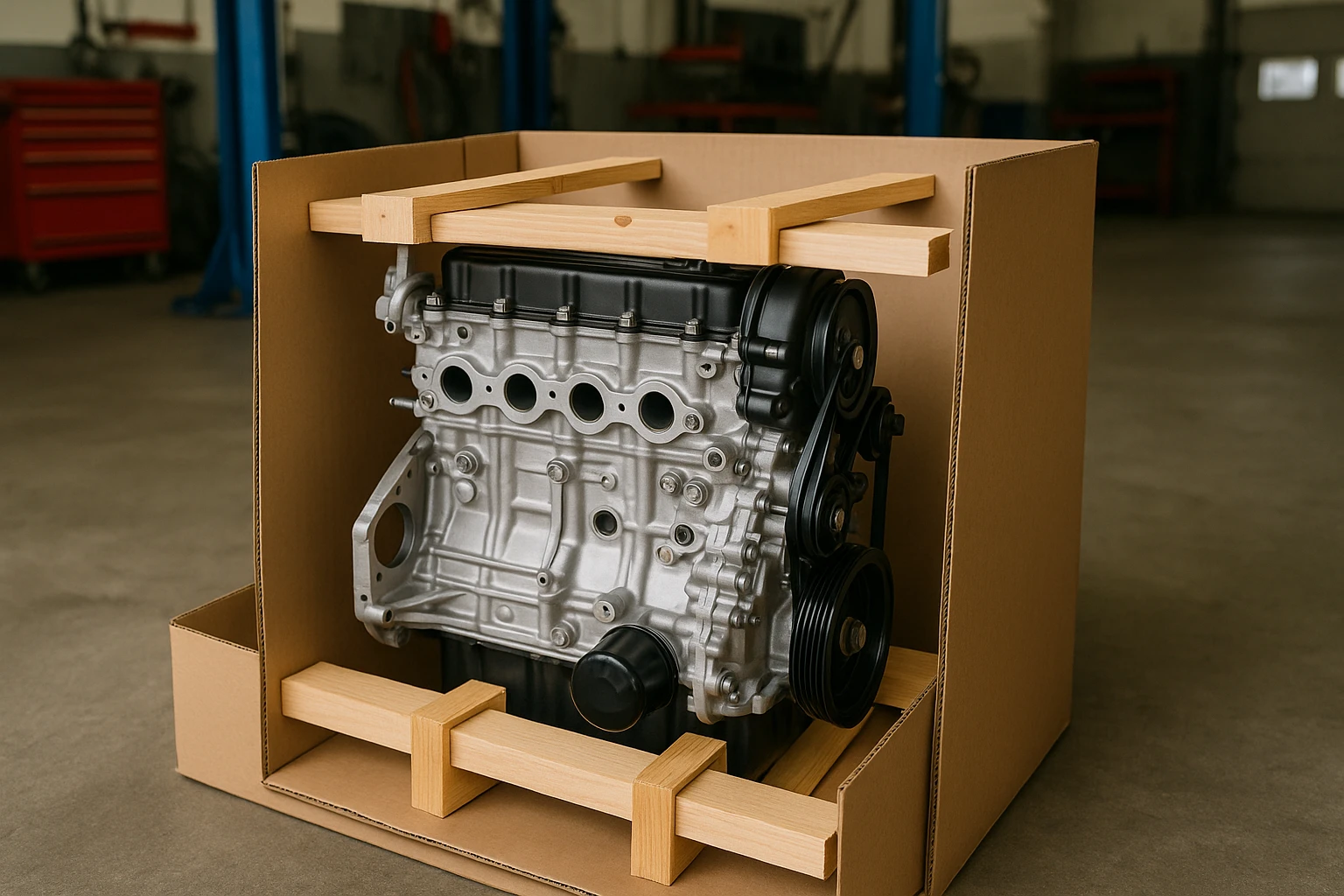
Good suppliers provide tested engines with documented condition reports and a limited warranty. Testing may include leak-down, compression, and run-in testing. Shipping options include nationwide delivery with tracking, including packaging to protect ancillary parts like alternators and intake manifolds.
Before purchase, confirm:
Exactly what the warranty covers (labour vs parts)
Return policy for fitment issues
Options for local fitting or recommendations for certified workshops
According to market observations, customers increasingly prefer certified tested units with short warranties because they reduce fitment risk and workshop downtime.
Summary: Is the Ford Rocam engine right for you?
The ford rocam engine remains a practical choice for South African owners and mechanics seeking affordable, reliable petrol engines for small cars, bakkies and light 4x4 projects. Its strengths are simplicity, availability of stripped spares and a broad aftermarket. Whether you need a full replacement, a rebuilt unit, or specific spare parts, consider verified suppliers, ask for condition reports and compare rebuilt vs tested imported units.
If you want to explore options, get a quote, or find specific parts for a Rocam rebuild, start with our engine imports page, browse used parts, or submit vehicle details via the spare form. For more reading about Ford as a manufacturer, see this background on Ford Motor Company