
Engines and Gearboxes
Golf 5 GTI Engine: Common Failures, Costs, and What to Check Before Buying in SA
Drikus · 2/27/2026 · 12 min read

The golf 5 gti engine remains a sought-after option for enthusiasts and mechanics across South Africa, offering a blend of performance and tunability. Whether you’re shopping for a second-hand engine, a rebuilt unit, or a stripped donor, this guide answers the most common questions and helps you avoid costly mistakes before buying.
Labour will add R3,000–R12,000 depending on the workshop and whether ancillary parts (cooling, intake, exhaust, sensors, and mountings) are included. According to industry estimates, replacing a used engine typically costs 40–70% less than a brand-new replacement — making imported or rebuilt second-hand engines a cost-effective route for many South African owners.

External reference: For historical and technical overview of the platform and models, see the Volkswagen Golf Mk5 on Wikipedia.
Common failures of the golf 5 gti engine
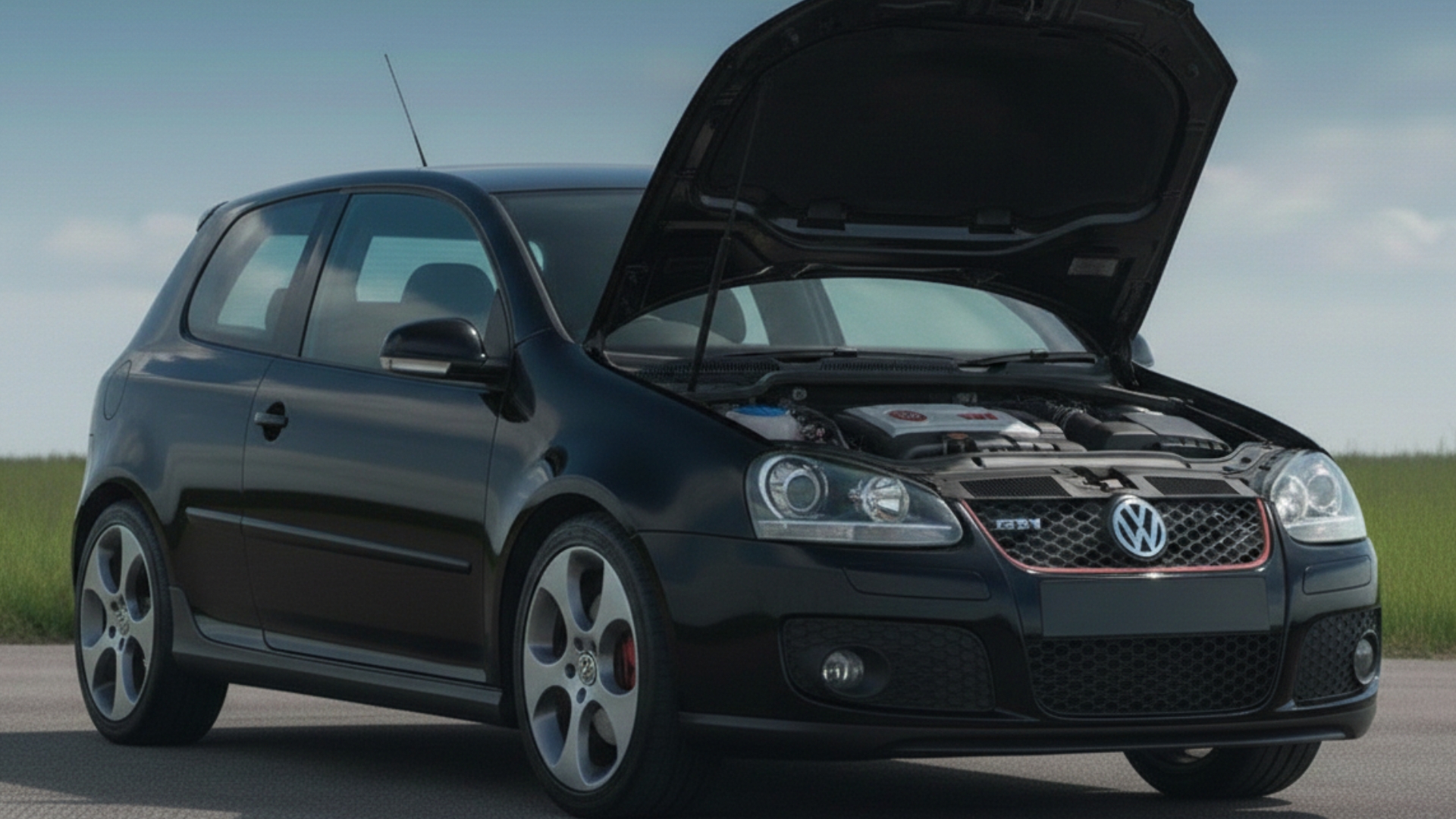
What parts fail most often on a Golf 5 GTI and what to expect when you inherit a used engine? The Golf 5 GTI engine (typically the 2.0 FSI / TFSI family in GTI trims) is generally robust, but there are recurring failure points that buyers and mechanics in the engine sales and auto spares industries should watch for. Frequent issues include:- High-pressure fuel pump (HPFP) and injector problems on direct-injection units.
- PCV/CCV valve clogging leading to oil consumption and carbon buildup.
- Tensioner and serpentine belt wear causing noise and accessory drive failure.
- Oil leaks from camshaft cover gasket, oil separator, and sump gasket.
- Turbocharger wear on some later high-output variants.
How do I check a used Golf 5 GTI engine before buying?
Buying a used or rebuilt engine is common practice in the South African market. A detailed pre-purchase inspection reduces your risk and helps you negotiate price. Follow a structured checklist:- Visual inspection: Look for cracks, heavy oil residue, and corrosion around mounts and flanges.
- Compression and leak-down test: Confirms piston, ring and valve health.
- Rotate the crank by hand: Feel for smoothness and absence of knocks.
- Check the timing system: Ensure timing chain/belt, tensioners and guides are present and in good condition.
- Inspect the turbo (if applicable): Free play, oil leakage and shaft wear are red flags.
- Ask for a service history and whether the engine has been pressure-tested or dyno-checked.
What will replacing a Golf 5 GTI engine cost in South Africa?
Costs vary widely based on whether you choose a used, rebuilt, or imported unit and on labour rates in your region. Below is a typical cost matrix you can expect from South African suppliers and workshops:| Option | Typical South Africa Cost (engine only) | Notes |
|---|---|---|
| Local used/stripped engine | R15,000 – R40,000 | Often cheapest; may need parts and full rebuild. |
| Rebuilt/fully tested engine | R35,000 – R80,000 | Higher product confidence; warranty varies. |
| Imported Japanese/German engine (tested) | R40,000 – R90,000+ | Often low-mileage; shipping and import duties factor in. |
Rebuilt vs imported vs stripped: which Golf 5 GTI engine is best?
Choosing between a rebuilt local unit, an imported engine, or a stripped donor depends on budget, time and risk tolerance. Each option has pros and cons:- Stripped/used local engines: Cheapest, fastest, but variable condition. Good if you can inspect and perform immediate servicing.
- Rebuilt engines: Higher cost but usually tested, balanced and often warrantied. Ideal for long-term ownership and lower downtime for mechanics and workshops.
- Imported Japanese/German engines: Can offer low-mileage cores and specific variants, but you must factor in shipping, paperwork and compatibility checks.
Where can I source stripped spares and engines in South Africa?
Local dismantlers, nationwide suppliers and specialist importers serve the Golf 5 GTI community. Demand for stripped spares—especially Japanese and German cores—has risen as owners seek cost-effective repairs for older vehicles. According to South African aftermarket suppliers, demand for stripped spares and imported engines rose significantly as petrol and repair costs increased, pushing mechanics toward more economical replacement solutions. Key sourcing channels:- Local breakers and vehicle dismantlers who specialise in VW parts.
- National engine importers offering tested Japanese and German engines (see engine imports).
- Online marketplaces and shops that list ready-to-install units with testing documentation.
Does the Golf 5 GTI engine fit other gearboxes and what should I check about gearboxes?
Compatibility between the Golf 5 GTI engine and gearboxes (manual or DSG) is important when matching donor engines to your car. Gearbox sales and gearbox imports in South Africa supply compatible gearboxes, but compatibility often depends on engine code, flywheel, clutch, and gearbox mounts. Checklist for gearbox-engine compatibility:- Confirm the engine code and gearbox model match or are known compatible swaps.
- Check bellhousing bolt patterns, input shaft splines and clutch/flywheel fitment.
- Ensure ECU and immobiliser compatibility; some swaps require coding or ECU replacement.
- Inspect gearbox for leaks, synchro wear and input shaft play — rebuilt gearboxes are recommended for high-mileage units.
How much should I budget for installation and ancillary parts?
Installation is more than swapping a block — ancillary parts and consumables add cost. Typical items to budget for:- New timing components (chain/belt, tensioners, guides) — recommended on any used engine.
- Water pump, thermostat, and hoses.
- Sensors (MAF, O2, cam/crank sensors) and wiring harness checks.
- New clutch kit and flywheel resurfacing or replacement if required.
- Coolant, oil, filters, and seals.
What warranty and testing should I expect with a replacement engine?
Warranties range widely. Local used engines might have short 7–30 day guarantees, whereas rebuilt or imported tested engines can come with 3–12 month warranties. A vendor that both tests and documents performance (compression numbers, oil pressure, and running checks) is preferable. Testing standards to request:- Compression or leak-down test results.
- Oil pressure tests and evidence of absence of coolant/oil mixing.
- Running-in/dyno test certificates for rebuilt units.
- Clear returns policy and warranty T&Cs in writing.
Are Japanese engines better than German cores for the Golf 5 GTI?
Both Japanese and German-sourced engines can be excellent choices. Japanese engines are often praised for lower cost, availability of low-mileage units, and a strong culture of tested exports. German cores (local or imported) can offer perfect provenance and exact Euro-spec fitment. Considerations:- Compatibility: German engines often match ECU, emissions and wiring without modification.
- Condition: Japanese low-mileage engines can be superior if they come with solid test documentation.
- Costs and lead times: Imports add shipping and duties; local German cores may be quicker but scarcer.
What long-term maintenance will keep a Golf 5 GTI engine healthy?
After a replacement or rebuild, adopting a preventive maintenance plan will reduce risk and extend engine life. Essential maintenance steps:- Use quality oil and change it at recommended intervals — direct-injection engines are sensitive to oil condition.
- Replace PCV/CCV systems proactively to avoid carbon and oil consumption issues.
- Monitor turbo health and oil supply on turbocharged variants.
- Regularly service fuel and air systems; clean or replace intake valves if carbon build-up appears.
Final pre-purchase checklist for the Golf 5 GTI engine
Before you commit, run through this final checklist to ensure you’re not surprised later:- Confirm engine code and VIN fitment requirements.
- Obtain compression/leak-down and oil pressure test results.
- Inspect timing system and replace as needed.
- Check ECU/immobiliser compatibility or budget for coding/replacement.
- Get a clear warranty, returns policy and any testing documentation in writing.
- Ask about nationwide delivery, installation partner networks, and parts availability.
Where to go for parts, engines and professional help in South Africa?
South Africa’s aftermarket industry includes dedicated engine sales, gearbox sales, and specialists in stripped spares. For quick reference, browse reputable supplier resources and product catalogs to compare availability, prices and warranties. Useful links to start with:- Shop listings for engines and spares
- Engine brands and warranties
- Engine import options
- Gearbox imports and compatibility
- Contact for quotes and fitting partners
External reference: For historical and technical overview of the platform and models, see the Volkswagen Golf Mk5 on Wikipedia.