
Engines and Gearboxes
Golf 5 GTI Engine Guide: Specs, Common Failures, What to Check and What It Costs in SA
Drikus · 1/26/2026 · 13 min read
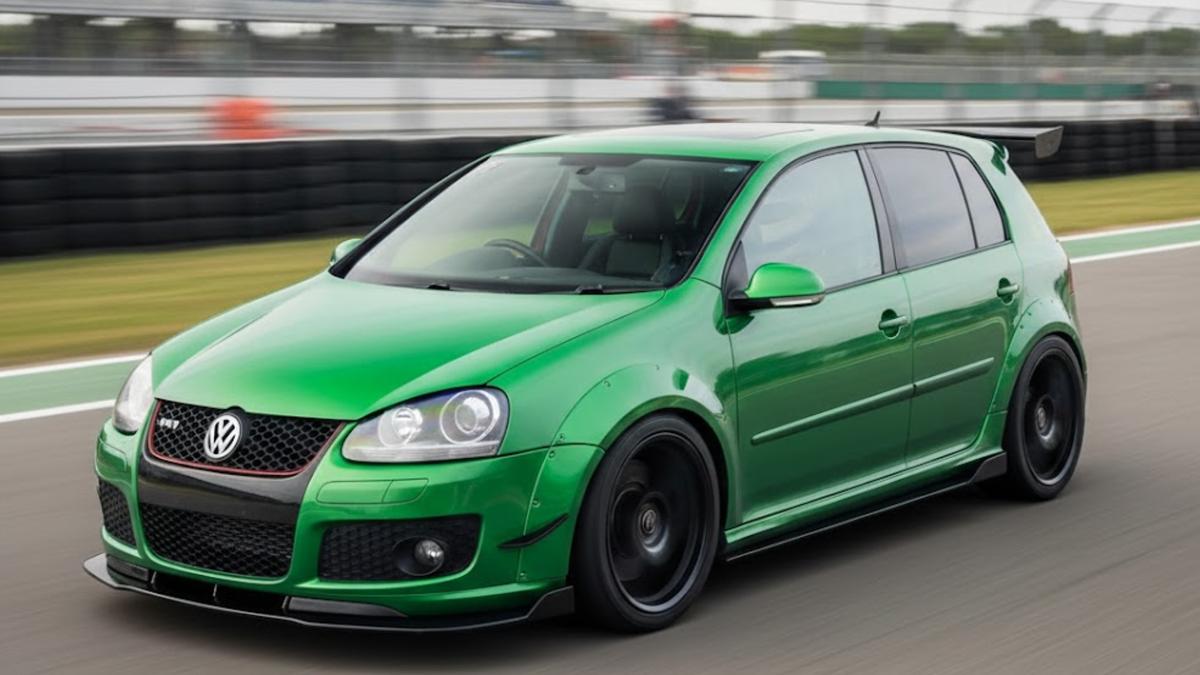
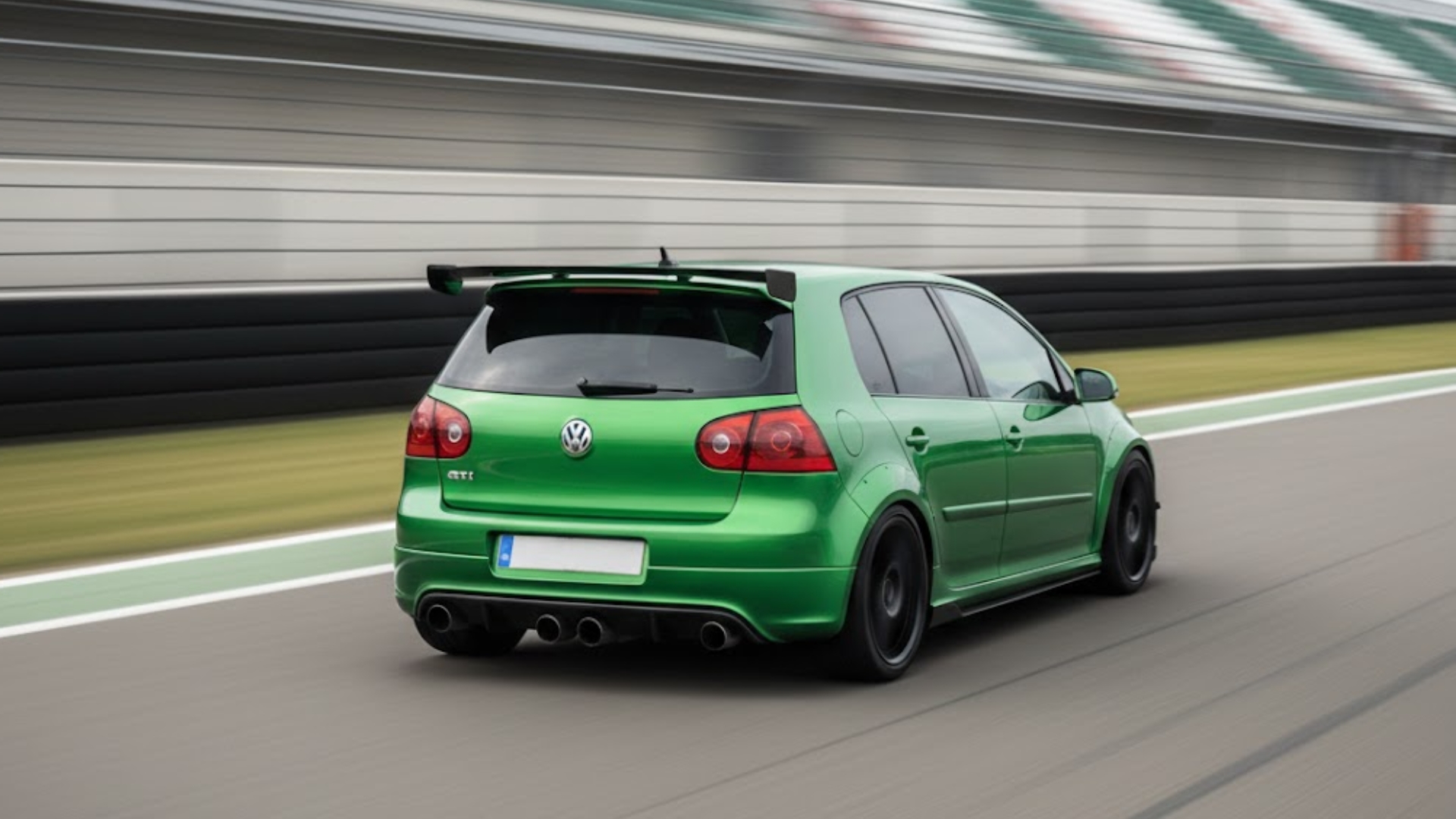
golf 5 gti owners and buyers in South Africa need a clear, practical guide to engine specs, common failures, and cost-effective replacement options. This guide explains what to check, typical repair paths, and where to source quality engines, gearboxes and spares nationwide.
Prices reflect the reality that rebuilt engines and engines imported from Japan or Germany command premiums due to testing and reliability guarantees. According to industry contacts and marketplace trends, demand for stripped spares and imported engines has risen as owners seek cost-effective repairs over buying new vehicles.
What makes the golf 5 gti engine special?
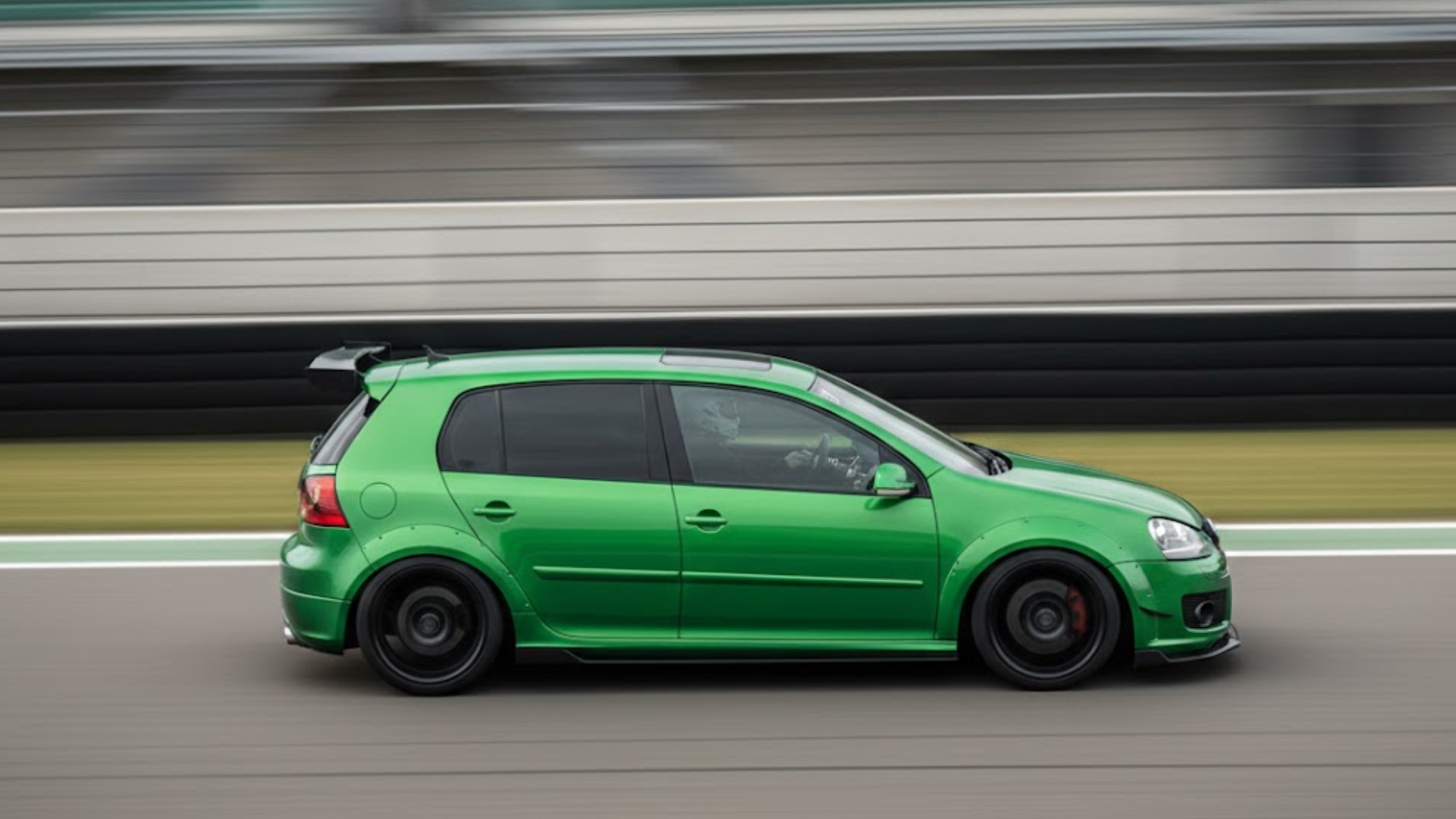
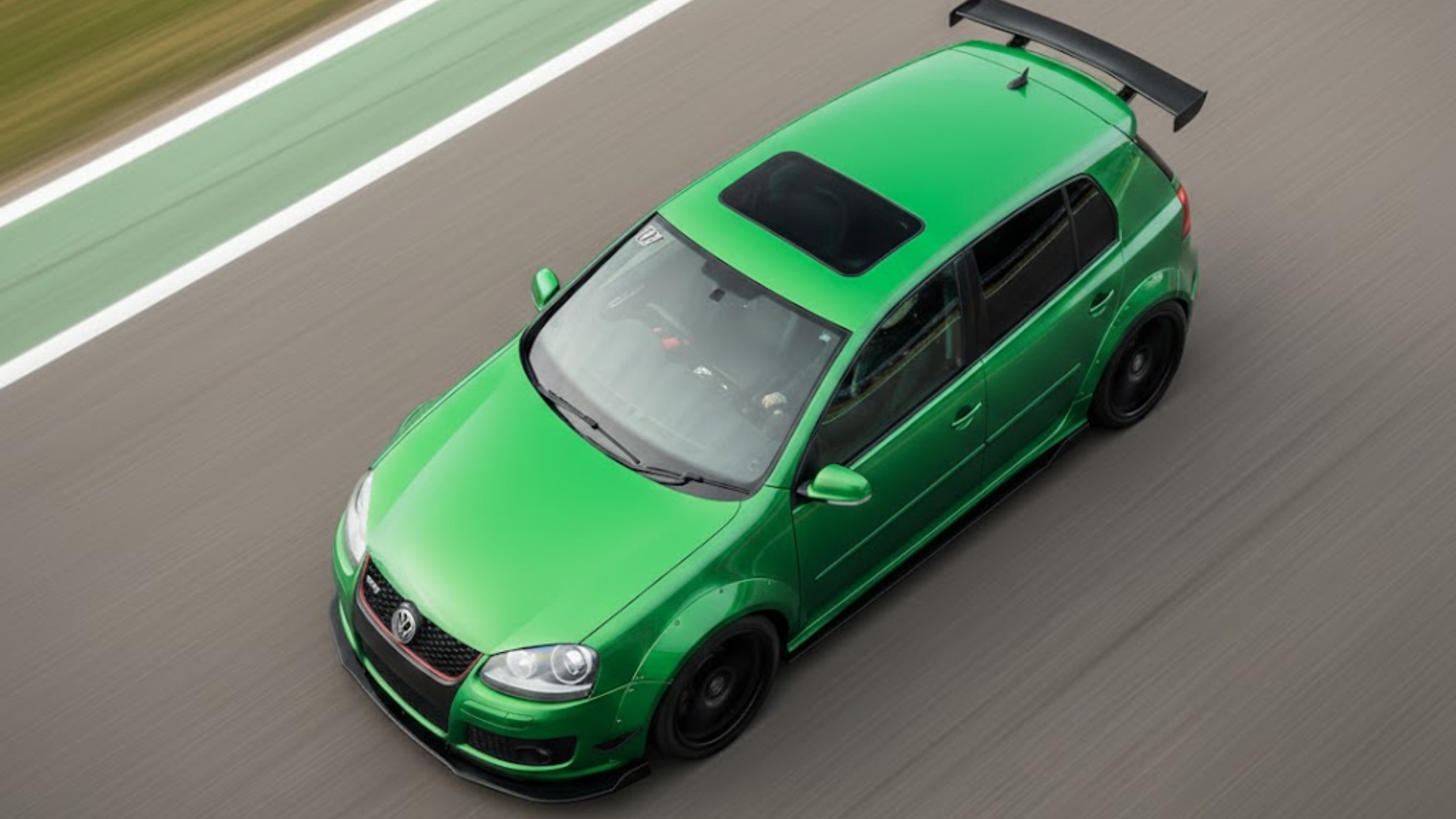
The Golf 5 GTI combined Volkswagen’s performance engineering with everyday drivability. Under the bonnet you’ll typically find a turbocharged 2.0-litre petrol engine (EA113 family in early Mk5s and updated EA888 variants in later models depending on market and build year). These engines were tuned for a balance of torque and high-revving power, making the Golf 5 GTI a favourite among enthusiasts and practical drivers alike. The engine’s alloy head, turbocharger, and direct/port injection variants (depending on year) mean repairs can be more technical than a basic bakkie motor, but the parts pool is large: German original units, Japanese-imported stripped spares, and rebuilt engines are all commonly available across South Africa’s spare parts networks. According to Wikipedia, the Golf Mk5 was produced between 2003 and 2009, which helps explain the abundance of second-hand engines on the market today.What engine options did the Golf 5 GTI ship with and what are the core specs?
Understanding the stock engine options helps when sourcing replacements or deciding on rebuild vs swap. Typical factory engines include 2.0 TFSI variants with outputs ranging from roughly 200 to 230 PS (market dependent). Key specs to note when buying or evaluating an engine are:- Displacement: 2.0 L (four-cylinder)
- Induction: Turbocharged
- Valve train: DOHC with 4 valves per cylinder
- Fuel: Petrol (some markets had different mapping and emissions kit)
- ECU: Engine control unit matching is often required for immobiliser and performance mapping
What are the most common engine failures and symptoms on the Golf 5 GTI?
Common failures are often driven by age, maintenance history, and how hard the car was driven. Typical problems include:- Turbocharger wear or failure (loss of boost, smoke, whining noises)
- Oil leaks from valve cover gasket, turbo oil lines, or sump
- High-pressure fuel pump or injector issues (hesitation, misfire)
- Timing chain tensioner wear on certain EA113/EA888 iterations (rattling on cold start)
- Cooling system issues like failing water pumps or thermostat (overheating risks)
How do I check a Golf 5 GTI engine before buying a used car or replacement unit?
Pre-purchase inspection for a used Golf 5 GTI or assessment of a replacement engine is crucial. A methodical check reduces the risk of surprise bills later. Follow these practical steps:- Visual inspection: Look for oil leaks, corrosion, and evidence of head gasket failure (milky oil or coolant reservoir).
- Compression and leak-down test: Confirms piston, ring and valve condition.
- Turbo health check: Spin the compressor by hand (cold) for free movement and check for shaft play; inspect for oil in intake piping.
- ECU and immobiliser check: Ensure ECU matches the engine; reprogramming may be required in South Africa for immobiliser units.
- Service history and receipts: Verify timing belt/chain service intervals, oil changes, and major repairs.
How much does a replacement Golf 5 GTI engine cost in South Africa?
Costs vary widely depending on whether you buy a local second-hand engine, an imported stripped engine, or a fully rebuilt unit. Typical price ranges (ballpark) in South Africa:| Type | Typical cost (ZAR) | Notes |
|---|---|---|
| Used local engine (running) | R20,000 – R45,000 | Lower mileage units at the top end; warranty varies |
| Imported stripped engine (Japanese/German) | R30,000 – R70,000 | Good sourcing can reduce risk; shipping and customs add to cost |
| Rebuilt/long-block | R50,000 – R120,000+ | Best for reliability; labour and parts drive the price up |
Should I buy a second-hand, rebuilt, or imported golf 5 gti engine — pros and cons?
Choosing between second-hand, rebuilt, or imported engines depends on budget, intended use, and acceptable risk level.- Second-hand (local): Cheapest, quickest, but higher risk for hidden wear and limited warranty. Great for budget repairs or temporary fixes.
- Rebuilt/long-block: Higher upfront cost, often includes new gaskets, bearings, and tested components — the safest road for a daily driver.
- Imported stripped engine (Japanese/German): Balance of cost and quality. Japanese imports often come in good condition and are popular across South Africa; German-sourced units may carry correct specs and OEM parts.
Where can I source affordable Golf 5 GTI engines, gearboxes and spares in South Africa?
South Africa has a healthy market for used engines and gearboxes, including suppliers specialising in Japanese and German imports, rebuilt units, and stripped spares. Look for suppliers who offer nationwide delivery, parts testing, and transparent warranties. Reliable avenues include dismantlers, engine import specialists, and online shops that list tested units. Useful resources to start with:- Browse verified stock and parts on shop pages to compare prices and warranties: Diversity Engines shop.
- Inspect available engine brands and codes before enquiring: engine brands.
- Consider import options and lead times: engine imports.
- For gearbox matching and swaps, check available imports: gearbox imports.
- Contact a parts advisor to get a tailored quote and delivery options: contact us.
Can gearbox problems be mistaken for engine issues on a Golf 5 GTI?
Yes — drivetrain symptoms can overlap. Hesitation, clunks, or loss of acceleration may be caused by gearbox slipping, clutch wear, or differential trouble rather than the engine itself. GTI models with DSG vs manual gearboxes have distinct failure modes:- Manual: Clutch slip, dual-mass flywheel wear, or syncro issues can mimic low power.
- DSG/automatic: Mechatronic failures, clutch pack wear, or hydraulic issues can cause jerking or limp mode.
What should I expect for installation, warranty, and testing when fitting a replacement engine?
Installation costs and warranty provisions are key to the true cost of an engine swap. Expect the following:- Labour: A local fitter will quote separately for engine removal, fitment, and associated parts like mounts, hoses, belts and fluids. Labour can vary widely depending on workshop rates and whether gearbox removal is needed.
- Testing: A reputable supplier will pressure-test the cooling system, run the unit on a test bench or dyno where possible, and deliver it with basic diagnostics completed.
- Warranty: Look for suppliers offering at least a short-term warranty (30–90 days) on used engines and longer terms on rebuilt units. Verify what the warranty covers (seals, internal wear, turbo, etc.).
How can I maintain a Golf 5 GTI engine to avoid costly failures?
Routine maintenance is the cheapest insurance against big bills. Regular oil and filter changes with the correct spec oil, scheduled timing belt/chain checks, timely turbo inspections, and cooling system maintenance are critical. Specific tips:- Use OEM or high-quality aftermarket filters and oils to preserve turbo life.
- Replace high-pressure fuel pumps and injectors at the first sign of misfire or rough idle.
- Flush cooling systems at recommended intervals to prevent water pump and thermostat failure.
- Address minor oil leaks immediately — oil contamination is a common cause of turbo and EVAP problems.
What about compatibility, ECU pairing, and emissions compliance in South Africa?
When swapping engines, ECU compatibility and immobiliser pairing are common hurdles. Many Golf 5 GTI engines rely on matched ECU and key codes. Expect to do one or more of the following:- Reprogram the ECU to match the donor engine or code a replacement ECU to the vehicle immobiliser.
- Use a specialist auto-electrician or dealer-level diagnostic tools for VW systems.
- Check emissions components — catalytic converters and emissions sensors must meet local roadworthiness standards in South Africa.