
Engines and Gearboxes
Golf 7 GTI Engine Guide: Known Weak Points, Fixes and What to Check Before You Buy
Drikus · 1/19/2026 · 13 min read

Golf 7 GTI owners and buyers in South Africa need a clear, practical guide to the most common engine and drivetrain weak points, reliable fixes, and what to check before you buy. This guide focuses on the Golf 7 GTI engine, offering inspection checklists, repair options, and sourcing tips for affordable engines, gearboxes and stripped spares.

Bring a qualified technician when possible, and consider a compression/leakdown or endoscope inspection for high-mileage engines. According to Wikipedia, the Mk7 was produced from 2012 to 2019 — knowing the production years helps match common mid-life issues to the vehicle's age.
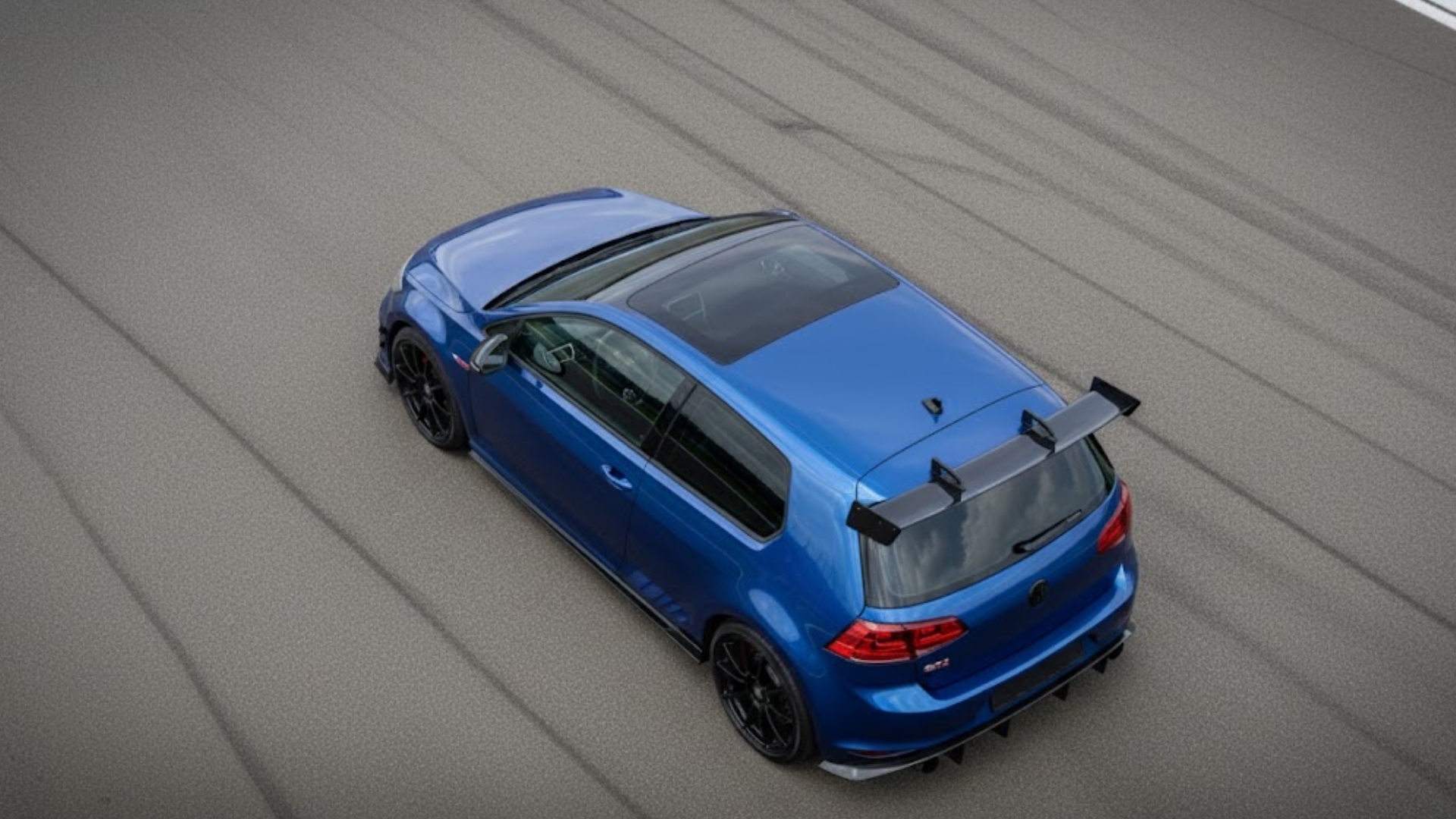

What are the known weak points of the Golf 7 GTI?
The Golf 7 GTI is widely praised for its balance of performance and daily usability, but some recurring weak points affect longevity and ownership cost. Key areas to watch are the EA888 Gen3 2.0 TSI engine's timing chain tensioner and guides under heavy use, water pump and thermostat failures, carbon build-up on direct-injection intake valves, and clutch or mechatronic issues in DSG-equipped models. Suspension bushings and turbocharger oil-feed concerns can also appear on high-mileage examples. These faults are typical for performance small-displacement turbo petrol engines worldwide but are particularly relevant where long-distance driving, stop-start traffic, and variable maintenance standards are common — conditions often seen across South Africa. Regular oil changes with the correct spec and attention to early warning signs (oil consumption, rattles, coolant loss) will greatly reduce risk.How common are DSG gearbox issues and what should I check?
DSG (direct-shift gearbox) issues are among the top concerns for prospective Golf 7 GTI buyers. Symptoms include jerky shifts, mechatronic faults, slipping, or the car entering limp mode. While many DSG units are robust, wear on clutches and failure of the mechatronic unit can be expensive. Pre-purchase checks include scanning for stored transmission codes, test driving across the whole rev range and gear changes, checking DSG service history (fluid and filter changes), and inspecting for leaks. If the car has a habitually hard-launch driving history or aftermarket tuning, the DSG may have been stressed. A professional DSG service and mechatronic check will often reveal pending issues.- Ask for DSG service receipts (fluid change every 60,000–80,000 km recommended).
- Look for slipping at low speeds and abrupt downshifts.
- Confirm whether the car has a dual-mass flywheel or single-mass conversion.
Are there timing chain or timing-related problems on the Golf 7 GTI engine?
Timing-chain-related issues are less frequent on the Golf 7 GTI's EA888 Gen3 than on some earlier engines, but they still occur. Problems usually stem from chain tensioner wear, guide failure, or neglected oil service intervals which accelerate wear. A failing tensioner can produce a rattling noise at cold start and, in extreme cases, lead to catastrophic engine damage if left unchecked. Before buying, listen for chain rattle on cold starts, review service history for regular oil changes, and check oil condition and level. If the car has missed services or shows elevated oil consumption, budget for a tensioner and guide inspection or replacement.
What should I inspect on a second-hand Golf 7 GTI in South Africa before purchase?
When buying used in South Africa, combine a visual inspection with a functional test and paperwork review. Check the engine bay for oil leaks, coolant stains, and turbo oil feed leaks. On the exterior and underbody, rust is less of an issue than with older cars but inspect for patch repairs and suspension wear. Verify that the service book contains DSG and engine oil change records and check for any outstanding recall work. Here’s a practical inspection checklist you can use at viewing:| System | What to check |
|---|---|
| Engine | Oil level/condition, no obvious leaks, cold-start rattle, oil consumption rate |
| Turbo | Boost response, no excessive smoke, intake and intercooler for oil residue |
| DSG | Fluid change history, smooth shifts, no limp mode |
| Cooling | Radiator, hoses, thermostat function, water pump leaks |
| Electrics | Diagnostics scan for stored codes, infotainment, sensors |
Can I fit a rebuilt or imported engine into a Golf 7 GTI and what are the pitfalls?
Yes — many GTI owners in South Africa opt for rebuilt, second-hand, or imported engines and gearboxes to cut repair costs. However, ensure swapped engines match the correct ECU and emissions setup, and check that immobiliser and key coding will be resolved. Swapping an engine without the correct wiring, sensors, or ECU coding can lead to long diagnostic sessions and additional cost. When sourcing replacements, consider:- Sourcing engines from reputable dismantlers with warranties and tested compression/pressure reports.
- Using engines matched to your build (e.g., same turbo, injectors, and emission layout).
- Confirming nationwide delivery and fitment support if you’re outside major cities.
How much do common repairs cost in South Africa and what are affordable options?
Repair costs vary by severity and parts source. Replacing a timing-chain tensioner and guides is typically cheaper than a full engine replacement, while DSG mechatronic replacement can be one of the priciest single repairs. Using second-hand or rebuilt engines from reputable breakers can lower total outlay significantly. Estimated ballpark costs (subject to supplier and labour rates):- Tensioner/guides + labour: moderate cost — usually cheaper than full engine removal.
- Turbo replacement (reconditioned): moderate to high depending on turbo model.
- DSG mechatronic rebuild: high — consider reconditioned units or rebuilt gearboxes.
- Complete engine replacement (imported used/rebuilt): high but often more affordable than dealer exchange units.
How to source reliable engines and gearboxes — stripped spares and imports?
Sourcing reliable engines and gearboxes means balancing cost, warranty, and supplier reputation. Seek suppliers who offer compression and oil-pressure test data, clear return policies, and fitting support or nationwide delivery. Japanese and German imported units are common choices — Japanese engines often come low-kilometre and well-documented, while German donor cars can offer direct-fit parts and better parts matching. Steps to source reliably:- Request test reports and serial numbers for the engine/gearbox.
- Confirm wiring harness and ECU compatibility or ask about re-mapping/coding services.
- Compare warranty length and what it covers (labour vs parts).
- Check stock levels for common wear parts so further repairs are not delayed.
How to read service history and fault codes on a Golf 7 GTI?
A clean service history is one of the best indicators of a well-maintained Golf 7 GTI. Look for regular oil and DSG fluid changes, turbo-related maintenance, and recorded faults addressed promptly. When reviewing service logs, confirm the oil grade meets VW specification (VW 502/505 or stated spec for your model year). Use an OBD-II scanner capable of reading manufacturer codes and live data to check for pending faults. Key things to monitor during a scan and drive test include misfire codes, lambda sensor errors, turbo boost anomalies, and DSG fault codes. If codes are present, ask for freeze-frame data and any repair invoices that show the issue was resolved.What phased maintenance will keep a GTI reliable long-term?
Proactive maintenance increases engine lifespan and lowers long-term costs. Establish a phased plan: frequent oil and filter changes (use correct VW spec oil), scheduled DSG fluid and filter changes, timing component inspections at mid-life, and intake system cleaning where carbon build-up is suspected. Replace wear items like water pumps, thermostats, and timing guides before they fail if the car has a heavy service history or unknown past maintenance. Suggested phased schedule:- Every 10,000–15,000 km: oil & filter, inspect turbo and intercooler hoses.
- Every 60,000–80,000 km: DSG service, brake fluid, thorough inspection.
- At ~120,000 km or on symptoms: timing inspection, tensioner replacement if needed.
Do common performance modifications affect engine longevity?
Aftermarket tuning, larger turbochargers, and increased boost pressure are common on GTIs but they stress engine internals, cooling, and the transmission. Modifications can shorten the life of the turbo, increase oil temperatures leading to faster oil degradation, and cause DSG clutches to wear faster. If you’re buying a modified Golf 7 GTI, verify whether the tune was professionally installed, look for supporting mods (cooling and fueling upgrades), and obtain before/after dyno sheets and a history of parts replaced. If you plan to keep a modified car reliable, budget for more frequent oil changes with high-grade oils, upgraded intercooling, and potential reinforcement of cooling and drivetrain components. For those preferring to avoid the unknowns of tuning, source standard-spec engines and gearboxes from reputable suppliers listed on gearbox and engine import pages.Where can I buy parts and who should I contact locally for fitment and support?
Buy parts and replacement units from suppliers that specialise in engines, gearboxes and stripped spares with warranties and nationwide delivery. For South African buyers, working with suppliers that understand local fitment, coding, and import regulations reduces risk. Look for suppliers who ship Japanese or German engines and provide test data and fitting guides. Useful links on sourcing and services:- Browse available replacement parts and reconditioned units in our shop.
- Check specialised gearbox supply options on the gearbox brands page.
- For imported engines with national delivery, see our engine imports listings.
- If you want personalised assistance, contact our team via the contact us page.
Final checklist: should I buy the Golf 7 GTI and what price adjustments to negotiate?
If the Golf 7 GTI you’re looking at has a full service history, no DSG or engine fault codes, and a clean inspection, it can be an excellent buy. Negotiate based on condition: deduct for missing service items (DSG service overdue, worn clutch, timing tensioner risk), for required immediate repairs, and for any aftermarket modifications that may have reduced reliability. If replacing major components (engine or gearbox) is likely, calculate the total cost of ownership including sourcing fees and fitting labour before you commit. Use this short negotiation checklist:- Request a service history and receipts.
- Confirm results from an OBD-II scan and test drive.
- Ask for a professional inspection or independent report if unsure.
- Factor in replacement engine/gearbox costs from suppliers, and subtract appropriate amounts from asking price.