
How to Keep Your D4D Engine Running Like New for 500,000 KM
The D4D engine has long been praised for its durability, performance, and efficiency—especially in Toyota models like the Hilux and Fortuner. Built to withstand tough conditions, this diesel powerhouse can easily surpass 500,000 kilometers with the right care. In this long-form Q&A guide, we’ll explore exactly how to keep your D4D engine running smoothly for the long haul, with practical advice from mechanics, Toyota owners, and engine specialists.
What makes the D4D engine so reliable in the first place?
The D4D engine—short for “Direct Injection 4-Stroke Diesel”—was engineered by Toyota to provide a perfect balance between power and fuel efficiency, while handling the punishing conditions of global markets, particularly Africa and Southeast Asia. Its cast-iron block, robust turbocharger, and common rail fuel injection system are designed for longevity. Unlike some modern engines overloaded with sensors and electronics, the D4D engine keeps things relatively straightforward, making it more forgiving and easier to repair. These factors combined make it one of the most trusted diesel engines on the road today.
How important is regular oil servicing for a D4D engine?
It’s absolutely essential. Diesel engines run hotter and at higher pressures than petrol engines, making oil quality and frequency of changes even more critical. For the D4D engine, sticking to a 5,000–10,000 km oil change interval (depending on conditions) can mean the difference between an engine that lasts 500,000 km and one that fails prematurely. Using the correct grade of high-quality diesel engine oil, such as 5W-30 or 15W-40 depending on your climate, helps prevent sludge build-up and reduces wear on critical components like the turbo and injectors. If you need affordable, genuine parts, the Diversity Spares new car parts section is a great place to start.
What are the signs that your D4D engine may need attention?
Preventative maintenance is only effective if you're paying attention to the warning signs. Watch for the following symptoms, which may indicate the D4D engine is under strain:
-
Rough idling or hard starts
-
Excessive black smoke from the exhaust
-
Poor fuel economy
-
Knocking sounds under load
-
Turbo whistle or loss of boost
These issues often point to injector wear, EGR valve blockages, or turbocharger problems—all common in high-mileage diesels. Early detection allows for targeted repairs that are far cheaper than a full engine rebuild.
How can fuel quality affect the lifespan of a D4D engine?
Fuel quality is one of the most overlooked factors in the health of a D4D engine. Contaminated or low-grade diesel can lead to injector clogging, carbon build-up, and even pump failure. Always refuel from reputable stations and consider using a diesel additive every few thousand kilometers to clean the injectors and improve combustion efficiency. For high-mileage drivers or those in rural areas, installing a secondary fuel filter system is a smart long-term investment. If injectors or filters fail, Diversity Spares’ used parts are a cost-effective alternative for replacement.
How often should you service or replace your injectors?
Toyota’s D4D injectors are tough, but they do wear over time—especially in areas with inconsistent diesel quality. On average, they should be checked or serviced every 150,000 to 200,000 km. Symptoms of worn injectors include rough starting, excessive smoke, and reduced performance. Ignoring these signs can cause piston damage, leading to major repairs. Ultrasonic cleaning can often restore performance, but in cases of serious wear, a full replacement may be needed. Be sure to match the correct part number to avoid compatibility issues—something the Diversity Spares spare form can help you with.
What role does the turbocharger play in the D4D engine's longevity?
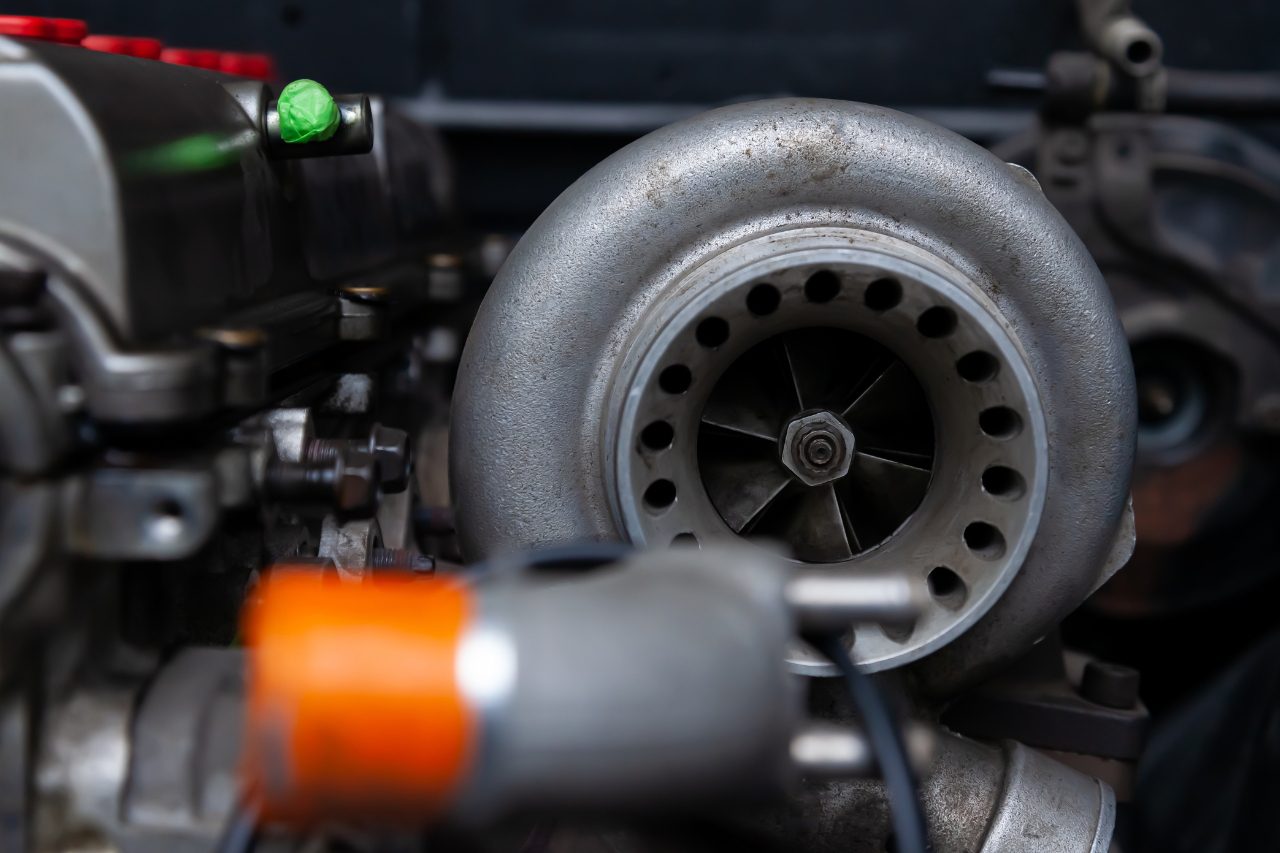
The turbo is a key component in the D4D engine’s performance. It increases power and efficiency by forcing more air into the combustion chamber. However, a neglected turbo can become a major failure point. Regular oil changes are vital, as the turbo relies on clean oil for lubrication. You should also avoid revving the engine hard when cold or shutting it off immediately after a high-speed drive—both habits that can shorten turbo lifespan. A failing turbo will often produce a high-pitched whine, smoke, or noticeable power loss. Replacement turbos are available through local suppliers or engine import services if you're sourcing a full unit.
Should you worry about the D4D engine’s EGR system?
The Exhaust Gas Recirculation (EGR) system in the D4D engine helps reduce emissions but is also prone to clogging, especially in city-driven vehicles. Over time, carbon deposits can build up and restrict airflow, leading to poor performance and increased fuel consumption. Cleaning the EGR valve every 50,000 to 100,000 km is recommended, or earlier if you notice sluggish performance or black smoke. Some off-road enthusiasts opt to blank the EGR system entirely, although this has legal and environmental implications. If you're unsure how to approach EGR maintenance, the Diversity Spares blog offers insights on cleaning and troubleshooting tips.
How can driving habits affect the life of a D4D engine?
How you drive plays a huge role in engine longevity. Short trips, constant stop-start driving, and hard acceleration when the engine is cold all contribute to premature wear. To maximise the lifespan of your D4D engine:
-
Let the engine warm up before revving
-
Avoid aggressive throttle use in cold starts
-
Don’t lug the engine at low RPMs in high gears
-
Use engine braking instead of riding the brakes downhill
-
Allow the turbo to cool down before shutting off the ignition after long trips
Adopting gentle, consistent driving habits can easily add another 100,000 km to your engine’s lifespan.
Is a full engine rebuild or replacement worth it for high-mileage D4D engines?
If your D4D engine starts showing signs of serious wear after 400,000+ km—such as oil consumption, low compression, or bearing knock—a rebuild or replacement might be necessary. The decision comes down to cost versus value. A rebuild with quality parts can restore performance and is often cheaper than buying a new vehicle. Alternatively, if you find a solid used or imported engine, a straight swap can breathe new life into your Toyota. You can browse available options on the Diversity Spares vehicles page or contact a professional for guidance.
Where can I find reliable support and parts for my D4D engine?
Whether you're maintaining, repairing, or rebuilding a D4D engine, support and parts availability are key to keeping things affordable and reliable. Fortunately, South Africa has a strong aftermarket scene for Toyota diesel engines. If you need hard-to-find components or advice on a specific issue, Diversity Spares’ contact page is a great place to start. Their team can help source both OEM and aftermarket parts, assist with compatibility questions, and even provide access to imported engines for full replacements. Staying connected to a trusted supplier ensures you’re never stranded when your D4D engine needs attention.