
Engines and Gearboxes
Hyundai Getz Engine: Prices, Specs and Replacement Options in South Africa
Drikus · 9/24/2025 · 13 min read
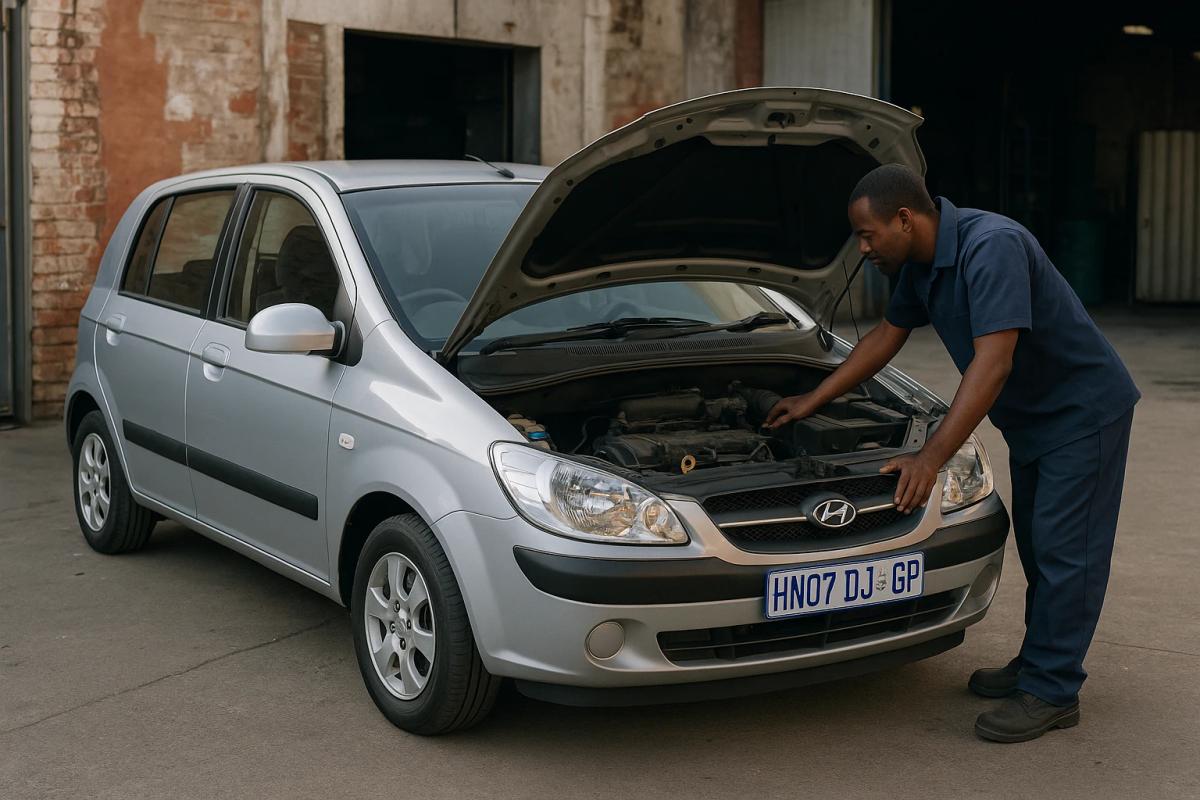
hyundai getz engine owners and mechanics in South Africa often face decisions about cost, compatibility and reliability when an old engine needs replacement. This guide answers the most common questions about Getz engines, costs, sourcing stripped spares, and practical replacement options for workshops and private motorists.
According to the Hyundai model literature and public technical summaries, these engines were tuned for longevity and fuel economy. The specification differences influence decisions about imported used engines versus local rebuilt units, particularly for mechanics supplying affordable solutions to small auto repair businesses.
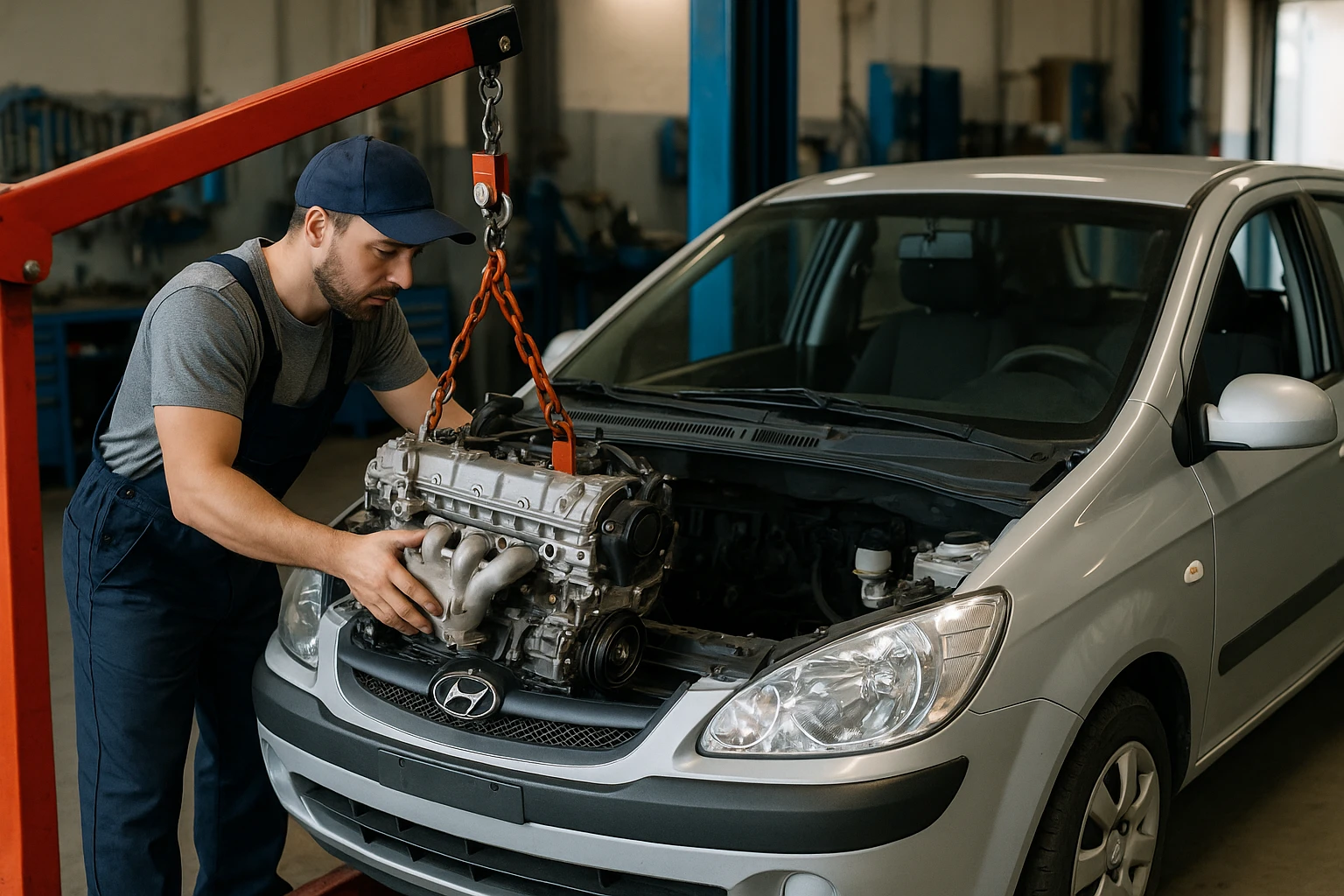 Hyundai Getz Engine[/caption]
What engine types and specs were offered for the Hyundai Getz?
The most common hyundai getz engine variants are small-displacement petrol units designed for economical urban driving. Across its production run the Getz was fitted with 1.1L, 1.3L, 1.4L and 1.6L petrol engines — with both SOHC and DOHC cylinder head designs — plus a few diesel derivatives in specific markets. Key specs by common displacement:| Displacement | Typical power | Notes |
|---|---|---|
| 1.1L (G4HG/G4FA) | ~60–66 hp | Low economy, light-duty city use |
| 1.3L (G4EA) | ~75–83 hp | Balanced economy and performance |
| 1.4L (G4EE) | ~90–100 hp | Popular for mid-spec Getz |
| 1.6L (G4ED/G4FC) | ~105–115 hp | Highest torque; preferred for heavier loads |
How much does a Hyundai Getz engine cost in South Africa?
Price depends on whether you choose a second-hand, rebuilt (remanufactured), or new cylinder head and short/long engine assembly. Typical market ranges (approximate):- Second-hand imported engines (Japanese/German stripped spares): R12,000–R28,000
- Rebuilt/remanufactured engines: R20,000–R40,000
- New long-blocks (rare for older Getz models): R40,000+
Are imported Japanese or German engines better for the Hyundai Getz?
Imported engines from Japan and Germany are popular in the South African stripped spares market because of their build quality and availability. Japanese-sourced hyundai getz engine units often come from low-mileage wrecks and suit owners needing affordable, ready-to-fit replacements. German-cylinder-head imports can be advantageous for later-model European-market variants. Considerations when choosing imports:- Condition grading: A, B, C grading on mileage and wear
- Compatibility: ensure engine code and ECU match or are programmable
- Delivery and customs: lead times affect repair turnaround
What are the benefits of rebuilt (remanufactured) Hyundai Getz engines?
Rebuilt hyundai getz engine units offer a balance between cost and reliability. A proper remanufactured engine is stripped, inspected, and restored using new or reconditioned components to meet factory tolerances. Benefits include:- Lower cost than new long-blocks
- Warranty coverage from reputable remanufacturers
- Reduced risk of unknown wear vs. random used engines
How do I check compatibility and engine codes for a Hyundai Getz engine swap?
Compatibility is critical to avoid ECU, transmission, and wiring harness issues. To check compatibility:- Locate the original engine code on the block or service book.
- Compare the engine code and mounting points with the donor engine.
- Check ECU, wiring, and sensor pinouts — some swaps require ECU reflashing or a donor ECU.
What should I expect for labour and fitment costs in South Africa?
Labour rates vary by region and workshop complexity. Typical manual labour times for an engine-out replacement in a Hyundai Getz can be 8–15 hours depending on whether the gearbox is removed, ancillaries are transferred, and whether engine management work is required. Expect labour costs to range widely:- Independent workshops (smaller towns): lower hourly rates, but variable turnaround
- Specialist urban garages (capable of wiring/ECU work): higher hourly rates but faster full-service integration
Can I buy a long-block, short-block, or just a head for the Hyundai Getz?
Sourcing strategies depend on the engine failure mode. Common purchase options include:- Short-block (crankshaft, pistons, block, bearings) — for bottom-end failures
- Long-block (short-block plus head assembled) — near-complete engine, lower fitment time
- Cylinder head only — for valve or head-gasket issues if the block is sound
What warranty or testing should I expect when buying a used or rebuilt Hyundai Getz engine?
Reputable suppliers provide a limited warranty on rebuilt engines (commonly 3–12 months, depending on supplier and mileage terms). For second-hand imports, warranties are often shorter or limited to exchange policies. Good testing standards include:- Compression and leak-down test results
- Visual documentation of internals and mileage certification
- Load bench testing for remanufactured long-blocks
Hyundai Getz Engine[/caption]
How do I source affordable hyundai getz engine parts and stripped spares across South Africa?
There are several effective channels for sourcing engines and spare parts in South Africa:- Local used-parts yards and vehicle dismantlers that supply bakkie and 4x4 spares and passenger car components
- Importers specialising in Japanese and European stripped spares with nationwide delivery
- Online marketplaces and specialist engine import services that list graded units
When is it better to repair rather than replace a Hyundai Getz engine?
Repairing rather than replacing depends on the failure mode and long-term goals. Repair is preferable when damage is localized (e.g., head gasket, valve work) and the block and crank are in good condition. Replace when there is severe bottom-end damage (seized engine, scored bores) or when long-term reliability is a priority for resale. Cost comparison checklist:- Estimate part and machining costs for repair
- Compare with price and warranty of a replacement engine
- Consider vehicle value and intended ownership horizon
How do I get started sourcing a Hyundai Getz engine from a trusted supplier?
Start by documenting your car’s VIN, original engine code and a list of required ancillaries. Contact reputable suppliers with these details so they can match compatible units. Use the following steps to streamline the purchase:- Identify engine code and note any ECU part numbers.
- Request photos, compression test data and warranty terms.
- Compare quotes including delivery, fitment, and return policies.
- Use supplier forms or contact pages to place a reservation or ask for a spare-form submission.