
Is the Chevrolet Spark Engine Built to Last? Here’s What the Data Says
What makes the Chevrolet Spark engine unique in its class?
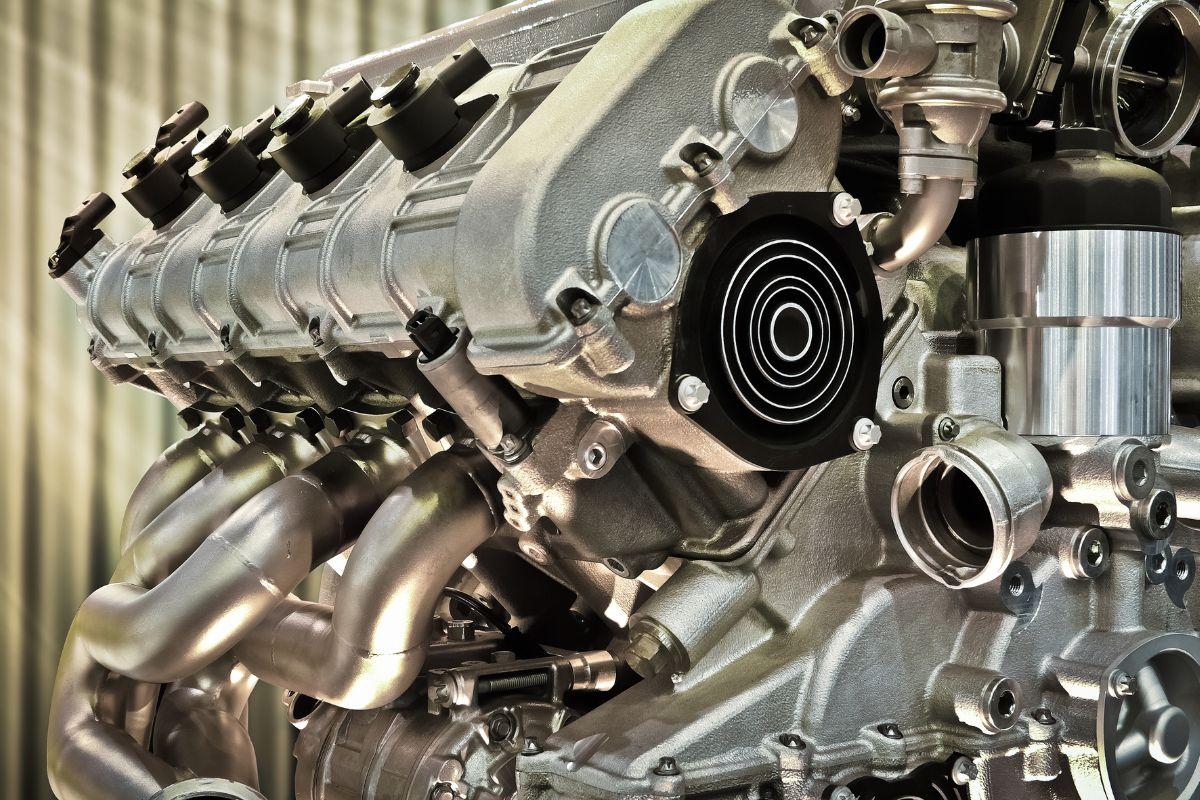
The Chevrolet Spark engine stands out in the compact car category for offering surprising efficiency and respectable longevity, especially for its price range. Most Spark models feature a compact inline 4-cylinder engine with either 1.0L or 1.4L displacement, designed with urban driving in mind. What sets it apart is how GM engineered it for affordability and low emissions, without cutting too many corners on reliability. Despite its modest output, the engine manages to balance fuel economy, durability, and simplicity—three traits essential for longevity in small cars. It may not be a powerhouse, but for daily commuting, the Spark engine consistently overdelivers.
How long does a Chevrolet Spark engine typically last?
With proper maintenance, the Chevrolet Spark engine can last between 250,000 and 300,000 kilometers, or roughly 150,000 to 180,000 miles. Real-world data from long-time owners supports this estimate, especially for those who stay consistent with oil changes, coolant flushes, and belt replacements. The Spark’s engine is built to run efficiently at lower RPMs, which reduces overall wear and tear. Many drivers have reported surpassing the 300,000 km mark with minimal engine trouble. However, failing to maintain basic engine health can drastically shorten its lifespan. If you're considering a long-term investment, the Spark is one of the more dependable options among entry-level hatchbacks.
Are there any common issues with the Chevrolet Spark engine?
Yes, like most small engines, the Chevrolet Spark engine has a few common problems that owners should be aware of. These include:
-
Oil leaks from the valve cover gasket
-
Timing chain tensioner wear, especially in earlier models
-
Ignition coil failures causing engine misfires
-
Overheating, often due to radiator or thermostat issues
-
Carbon build-up in intake valves on direct-injection variants
That said, most of these issues are fixable with timely maintenance and do not indicate a fundamental flaw in the engine design. Access to affordable used car parts can make repairing these issues much less painful on the wallet.
How does the Chevrolet Spark engine compare to other small car engines?
When comparing the Chevrolet Spark engine to those found in rivals like the Hyundai i10, Kia Picanto, or Suzuki Celerio, it holds its ground well in terms of reliability and performance. Here's a quick comparison:
| Model | Engine Displacement | Avg. Lifespan (km) | Key Strengths |
|---|---|---|---|
| Chevrolet Spark | 1.0L – 1.4L | 250,000 – 300,000 | Fuel economy, longevity |
| Hyundai i10 | 1.0L – 1.2L | 220,000 – 280,000 | Smooth power delivery |
| Kia Picanto | 1.0L – 1.2L | 200,000 – 260,000 | Build quality |
| Suzuki Celerio | 1.0L | 240,000 – 280,000 | Low maintenance costs |
The Spark may not always have the best acceleration or comfort, but its engine often lasts longer under similar driving conditions.
How much does it cost to replace a Chevrolet Spark engine?
Replacing a Chevrolet Spark engine in South Africa can range from R12,000 to R30,000, depending on whether you choose a used, reconditioned, or new engine. Labour, location, and availability of parts also affect the final price. For example, opting for an imported engine can provide better reliability than buying a locally salvaged unit, especially if mileage is a concern. While it's often cheaper to replace smaller components like gaskets or sensors, severe damage (like a blown head gasket or seized engine) can warrant a full replacement.
What type of maintenance does the Chevrolet Spark engine require?
Like any vehicle, the Chevrolet Spark engine thrives on regular maintenance. The most critical tasks include:
-
Oil and filter changes every 7,500–10,000 km
-
Spark plug replacements every 60,000 km
-
Air filter cleaning/replacement every 15,000 km
-
Coolant flushes every 2 years
-
Timing chain inspection after 100,000 km
Failure to follow this schedule increases the risk of long-term damage. Fortunately, sourcing new car parts is straightforward and cost-effective, helping Spark owners keep up with routine care.
Is the Chevrolet Spark engine fuel-efficient?
Absolutely. The Chevrolet Spark engine is known for its exceptional fuel economy, making it a favourite among budget-conscious drivers. The 1.2L variant can deliver up to 20 km/litre in optimal conditions, especially with manual transmissions. Even the automatic variants perform reasonably well, averaging around 16–18 km/litre in city traffic. This fuel efficiency contributes to its long-term value, as it keeps running costs low across the engine's lifetime.
Can the Chevrolet Spark engine handle long-distance driving?
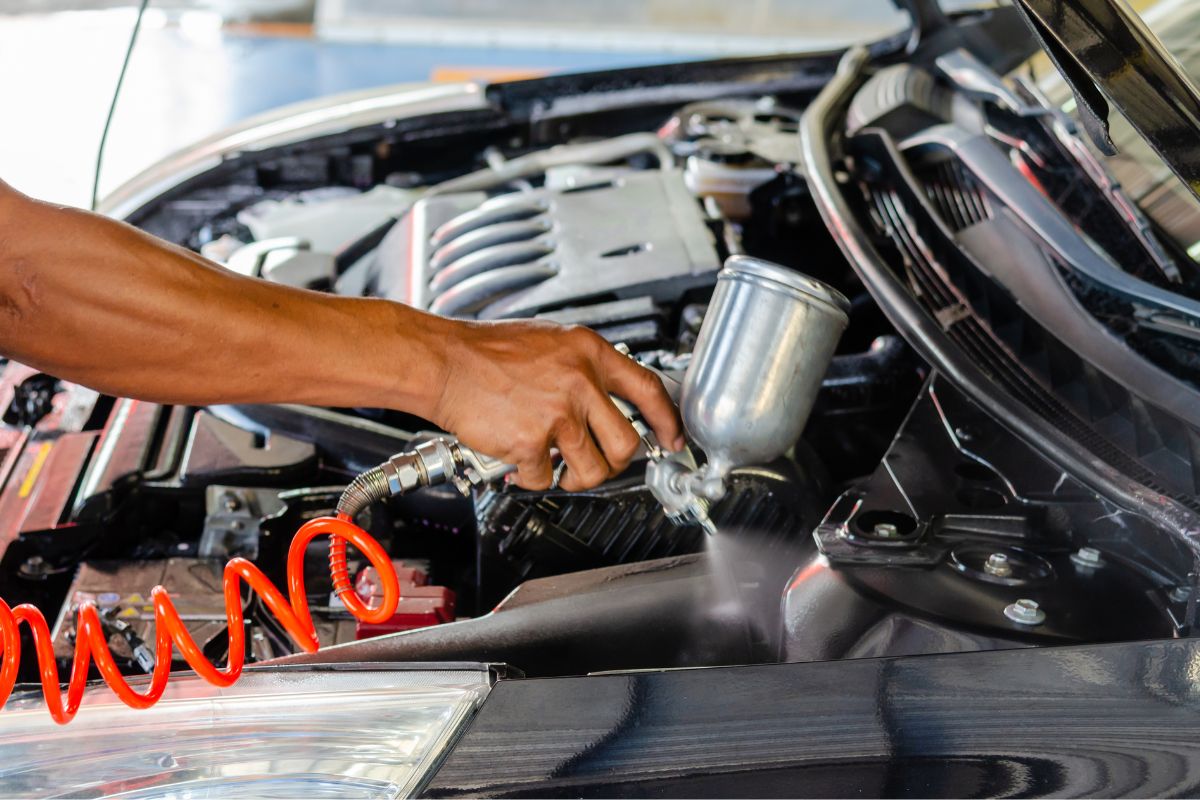
While it’s primarily designed for city commuting, the Chevrolet Spark engine is surprisingly capable on long-distance trips—provided it’s well-maintained. It may not offer blistering acceleration or high-speed cruising comfort, but it maintains steady speeds on highways without overstraining. Owners who frequently drive between towns or on national roads praise its reliability. However, using quality engine oil and keeping an eye on coolant levels is vital for these extended runs. You can browse our available vehicles to see which Spark models suit your travel needs.
Should you consider rebuilding your Chevrolet Spark engine?
Rebuilding a Chevrolet Spark engine can be a cost-effective option—especially if your car is in good shape and you're attached to it. A rebuild typically includes replacing piston rings, valve seals, bearings, and gaskets. If done correctly, a rebuilt engine can last nearly as long as a new one. It’s often cheaper than a full engine swap and gives you control over the quality of internal parts. If you're considering a rebuild, start by requesting parts through the spare parts form to get a detailed quote on what you’ll need.
Where can I get advice or support for Chevrolet Spark engine issues?
If you're facing engine troubles or need advice, South Africa has an active community of Chevrolet owners and mechanics who can help. You can also find articles, updates, and how-to guides on our automotive blog, which covers everything from troubleshooting tips to part recommendations. For personalised support, reach out via our contact page, and our team will assist you with sourcing parts, scheduling inspections, or answering any technical questions.