
Is the Ford Ranger 2.2 Engine as Tough as They Say? A Mechanic’s No-Nonsense Verdict
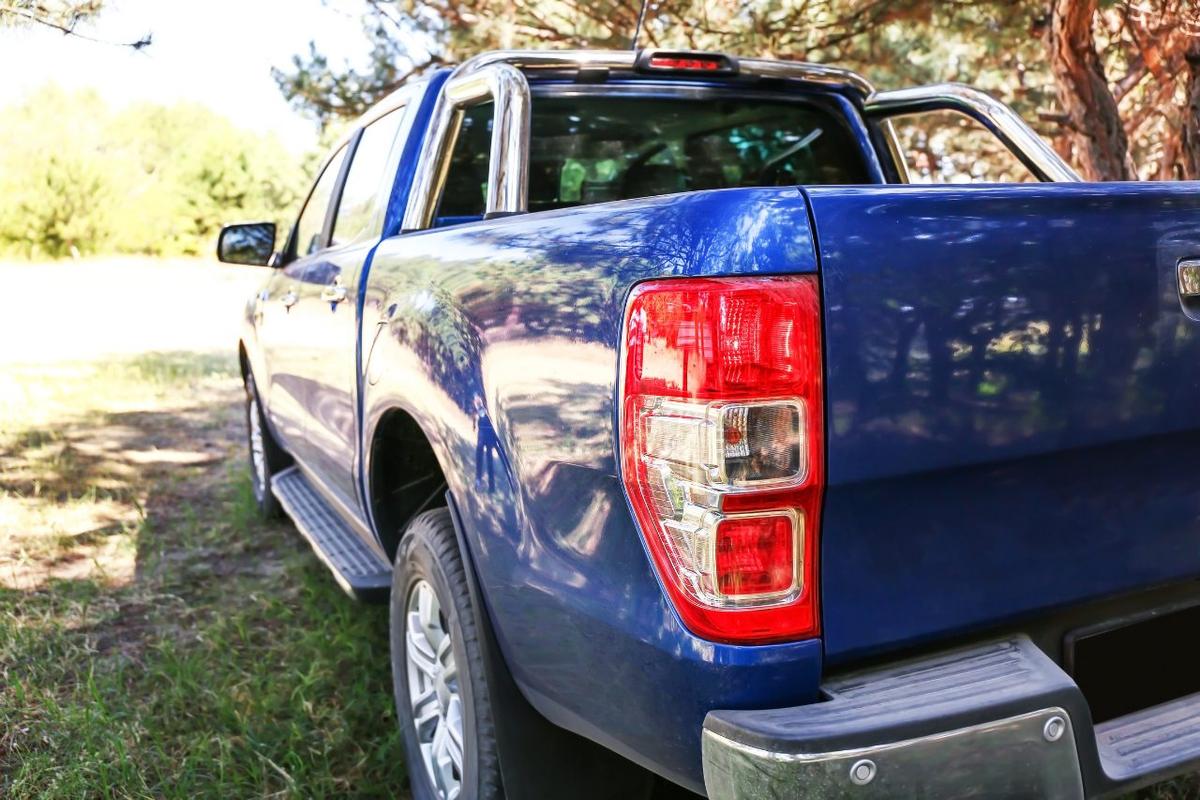
Ford Ranger 2.2 at a glance
The Ford Ranger 2.2 TDCi is a 4-cylinder turbo-diesel used in the T6 and T7 Ranger, built in low-power and high-power versions. Need a replacement? We stock Ranger 2.2 high power QJ2K engines, Ranger 2.2 low power PF2K engines and a new Ranger 2.2 P4AT crate engine, with warranty and nationwide delivery.
The Ford Ranger 2.2 engine has built a reputation in South Africa and beyond as a dependable, work-ready diesel powerhouse, especially in the single and double cab bakkie market. But does it truly live up to its “tough-as-nails” image when scrutinized by those who work on them daily? In this no-fluff Q&A article, we dig into the facts from a mechanic’s perspective—covering real-world performance, durability, and whether the Ford Ranger 2.2 engine deserves its loyal following.
What makes the Ford Ranger 2.2 engine so popular in South Africa?
The Ford Ranger 2.2 engine is a 2.2L Duratorq TDCi turbo-diesel powerplant known for its combination of torque, efficiency, and longevity. It appeals to a wide range of South Africans—from urban drivers to farmers and fleet owners—thanks to its ability to handle heavy loads and poor road conditions without complaint. With fuel economy figures averaging around 7-8L/100km and torque delivery ideal for towing or off-roading, it’s no surprise this engine dominates the midsize pickup segment. When reliability is paramount and parts are locally available, the 2.2 becomes a clear favorite. You can find various configurations of vehicles powered by this engine on the Diversity Spares vehicles page.
How does the Ford Ranger 2.2 engine perform under heavy-duty use?
From a mechanic’s point of view, the Ford Ranger 2.2 engine handles heavy-duty use remarkably well—especially for an engine of its size. Many owners use their Rangers for construction, farm work, or long-haul deliveries, and it's not uncommon to see these engines surpass 300,000 km with only routine maintenance. The engine’s 6-speed manual and automatic gearbox options offer solid gear ratios for both low-speed torque and highway cruising. The cooling system is also designed to prevent overheating even in tough conditions. However, performance can dip if maintenance is skipped, especially regarding turbo servicing and injector cleaning.
What are the most common problems mechanics see with the Ford Ranger 2.2 engine?
Even tough engines have their weaknesses. The most common issues with the Ford Ranger 2.2 engine include EGR (Exhaust Gas Recirculation) valve blockages, turbo lag or failure (usually due to oil starvation), and clogged diesel particulate filters (DPFs) in newer models. Another frequent concern is timing belt wear, which can become catastrophic if not replaced at the manufacturer’s interval. Many of these problems stem from irregular servicing or poor fuel quality. Still, they are all manageable with preventative care. If you’re facing any of these issues, sourcing quality used parts can be a cost-effective way to get back on the road.

Is the Ford Ranger 2.2 engine expensive to maintain?
Compared to engines in the same segment, the Ford Ranger 2.2 engine is relatively affordable to maintain. Service parts like filters, belts, and injectors are widely available and reasonably priced. Labour costs remain fair because most local mechanics are familiar with the layout. That said, failing to follow the recommended maintenance schedule can lead to costly repairs. Here’s a quick look at average service costs:
| Service Type | Approximate Cost (ZAR) |
|---|---|
| Minor Service (Oil, Filter) | R1,200 – R1,800 |
| Major Service (Timing Belt, Fluids) | R4,000 – R6,000 |
| Turbo Replacement | R10,000 – R15,000 |
To keep things budget-friendly, many owners buy parts from the Diversity Spares online shop, which stocks both OEM and aftermarket options.
How does the Ford Ranger 2.2 engine compare to the 3.2 in real-world use?
The 2.2 and 3.2 engines both fall under Ford’s Duratorq family, but they serve slightly different purposes. The 2.2L is lighter, more fuel-efficient, and cheaper to run, making it ideal for personal and light commercial use. The 3.2L, on the other hand, delivers more power and torque, better suited for towing heavy trailers or consistent off-road use. In real-world usage, many owners find the 2.2 strikes the best balance between power and economy. Here’s a simple comparison:
| Feature | 2.2L TDCi | 3.2L TDCi |
|---|---|---|
| Power | ~118 kW | ~147 kW |
| Torque | ~385 Nm | ~470 Nm |
| Fuel Use | 7–8L/100km | 9–10L/100km |
| Ideal For | Everyday + light duty | Heavy-duty + towing |
How long can the Ford Ranger 2.2 engine last with proper care?
With regular oil changes, quality diesel fuel, and timely replacement of belts and filters, the Ford Ranger 2.2 engine can easily last beyond 300,000 km. Some high-mileage vehicles have reached over 400,000 km with only moderate wear. The key is using good-quality parts and lubricants and not ignoring early warning signs like sluggish performance or smoke. For high-mileage Rangers, replacing worn parts with quality new components can extend the lifespan even further.
What role does driving style play in the engine’s durability?
Driving style significantly impacts the longevity of the Ford Ranger 2.2 engine. Harsh acceleration, heavy towing beyond capacity, and neglecting warm-up/cool-down periods—especially for the turbo—can all accelerate wear. Frequent short trips can also cause carbon buildup in the EGR system and DPF. Conversely, steady driving, proper load management, and regular long-distance trips (to burn off DPF soot) all promote engine health. Mechanics often say that the 2.2 engine “rewards gentle hands,” meaning that careful driving leads to fewer breakdowns and more years of reliable service.
Are parts for the Ford Ranger 2.2 engine easy to source?
Yes, one of the biggest advantages of owning a Ford Ranger 2.2 engine in South Africa is the abundance of spare parts. Whether you need injectors, ECUs, intercoolers, or a full replacement engine, there’s a robust network of suppliers. Local demand has made the aftermarket very strong. For harder-to-find items, especially imported or reconditioned engines, check out Diversity Spares' engine import service. With so many options available, downtime is minimal and affordability is well within reach for most owners.
What should a buyer look for when inspecting a used Ford Ranger 2.2 engine?
When evaluating a used Ford Ranger 2.2 engine—whether in a vehicle or as a standalone unit—inspect for excessive smoke, oil leaks, turbo noise, and unusual engine knocks. Check the service history and ensure timing belt replacements were done on time. It’s also a good idea to scan the ECU for any fault codes. If you're uncertain, many buyers use the Diversity Spares spare form to request specific parts or verify engine compatibility before making a purchase. A well-documented service record is often a better indicator of engine health than just low mileage.
Where can I learn more about maintaining or upgrading the Ford Ranger 2.2 engine?
For anyone interested in DIY tips, upgrade options, or common fault diagnostics, there’s a growing community around the Ford Ranger 2.2 engine. The Diversity Spares blog regularly posts expert content tailored to South African drivers, including engine-specific guides and parts recommendations. You can also find useful information on Wikipedia, which provides a technical breakdown of Ford’s global Ranger models and their respective engines. Staying informed is one of the best ways to ensure your engine runs smoothly for years to come.