Is the Ford Ranger 2.2 Engine Right for You? Pros, Cons & Expert Insights
Drikus · 10/27/2025 · 8 min read
The ford ranger 2.2 engine remains a popular choice for South African bakkie owners who want a balance of fuel economy, torque and affordability — especially when sourcing second-hand or rebuilt units for repairs and upgrades.
What is the ford ranger 2.2 engine and where does it fit in the lineup?
The ford ranger 2.2 engine (Duratorq 2.2 TDCi) is a four-cylinder diesel powerplant that Ford used widely in global Ranger models and other light commercial vehicles. It’s positioned as a mid-range diesel option offering better fuel economy than larger diesels while producing usable torque for load-carrying and towing. Many owners in South Africa choose the 2.2 for everyday work bakkies, fleet vehicles and 4x4 light-duty applications.
According to the Ford technical literature, the 2.2 Duratorq blends modern common-rail fuel injection with emissions control systems to meet regional rules while keeping servicing straightforward. For a general model overview see the Ford Ranger page on Wikipedia: Ford Ranger (Wikipedia).
Is the Ford Ranger 2.2 engine reliable?
Reliability is one of the main reasons South African mechanics and private owners consider a ford ranger 2.2 engine. In many real-world scenarios a well-maintained 2.2 will deliver long service life — particularly when oil and fuel filters are changed regularly and EGR/SCR systems are maintained. The engine’s simpler four-cylinder layout means fewer parts to fail compared with larger turbo-diesel options.
That said, like all modern diesels the 2.2 has known weak points (see the next section). For fleet operators or small businesses that stock spares and work with dismantlers and engine importers, a 2.2 can be a dependable, cost-effective solution.
What are the most common problems with the 2.2 and how can you avoid them?
Owners often report a handful of repeat issues that, if caught early, are fixable without expensive interventions. The most commonly cited faults include:
EGR valve carbon build-up causing rough idle and soot — regular cleaning and use of quality diesel helps.
Turbo issues on high-mileage units — inspect boost pressures and intercooler hoses.
DPF (diesel particulate filter) blockages in city or short-trip use — periodic long runs or forced regeneration can help.
Injector wear on units with poor fuel quality — fit quality fuel filters and replace injectors from trusted sources when needed.
Preventative maintenance is central: quality oils, fuel filters, and periodic diagnostic checks keep small issues from becoming major repairs. For owners in South Africa looking to replace parts, reputable suppliers of imported engines and stripped spares can be found through specialist dealers and dismantlers who support nationwide delivery.
How does running cost compare to other Ranger engines?
The ford ranger 2.2 engine brings solid fuel economy thanks to its smaller displacement and modern injection strategies. For everyday commuting and light-load work the 2.2 typically costs less per kilometre than larger 3.2 or 3.0 diesel options due to lower fuel consumption. Insurance and road tax differences are minimal in South Africa, but fuel savings can add up for high-mileage drivers.
When calculating total cost of ownership, include: scheduled servicing, potential DPF/Turbo maintenance, and the realistic resale/replacement value. Many small workshops and mechanics in South Africa rely on affordable second-hand engines or rebuilt units to control repair costs.
Is buying a second-hand or rebuilt 2.2 engine a good idea?
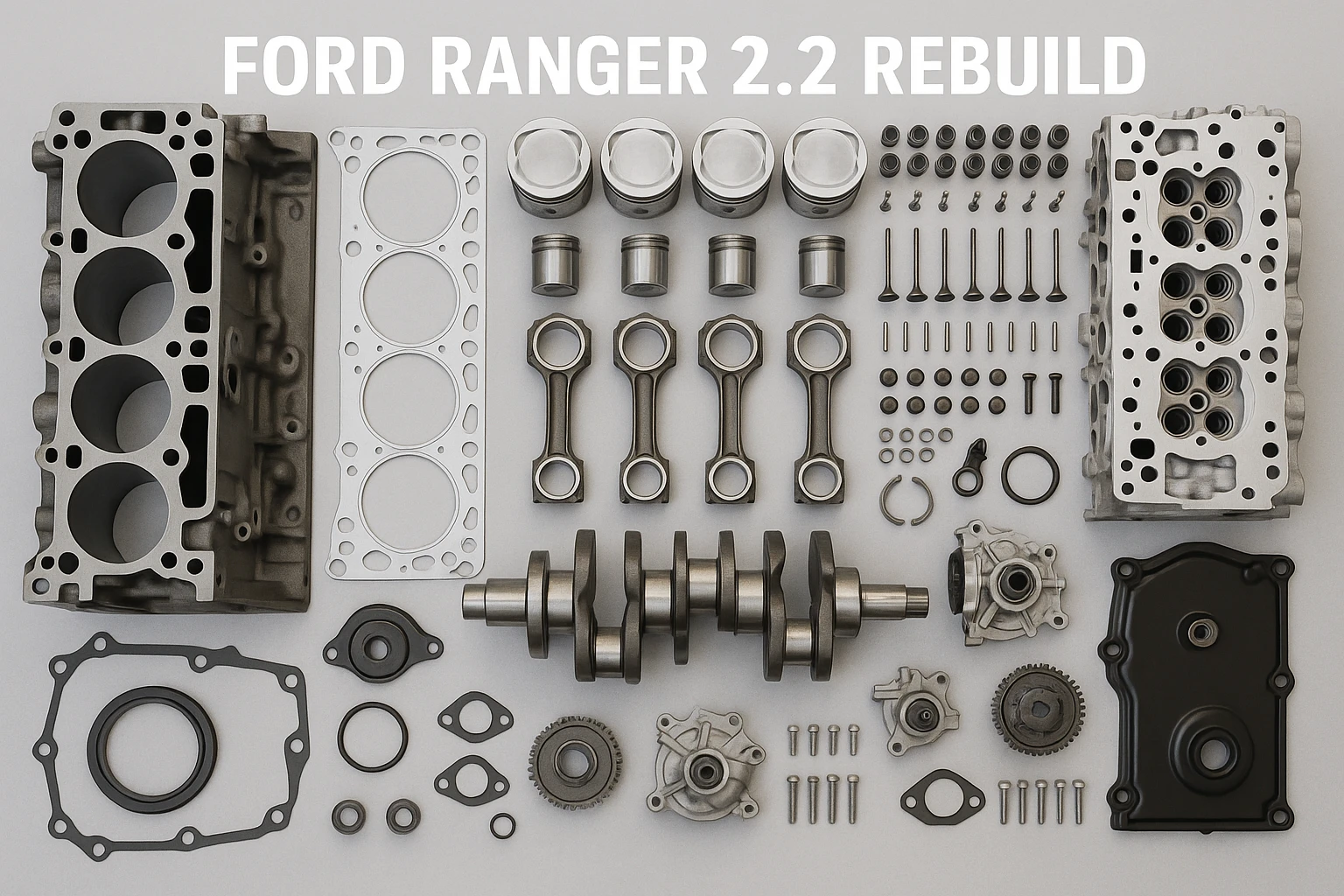
Purchasing a second-hand or rebuilt ford ranger 2.2 engine can be an excellent cost-saving route if you source from reputable suppliers and insist on quality checks. Rebuilt engines provide a middle ground: core components are inspected and refreshed, while imported or Japanese/German stripped spares can supply high-quality parts to complete a rebuild.
Key checks when buying used/rebuilt engines:
Compression test and leak-down test results.
Service history for the donor vehicle where possible.
Warranty terms, even short warranties from engine importers give added confidence.
Clear communication about mileage and whether consumables (timing belt, water pump) were replaced.
If you need help sourcing a tested replacement, consider contacting engine import specialists who offer nationwide delivery and bulk supply to mechanics: Engine Imports.
How do emissions systems (DPF, EGR) affect maintenance and reliability?
Modern 2.2 engines include systems like EGR and DPF to control emissions; these systems work but add maintenance considerations. EGR valves can clog with soot if the vehicle operates mostly on short trips; DPFs need periodic regeneration, which high-city use can prevent. In South Africa’s varied driving environments — from long open roads to inner-city traffic — owners should adopt maintenance habits that reduce emissions system stress.
Simple practices: occasional highway runs to allow DPF regeneration, using quality engine oil specified by Ford, and addressing EGR issues promptly. Workshops handling stripped spares and rebuilt heads often stock replacement EGR valves, sensors and DPF cores when replacement is needed.
What are performance and tuning options for the 2.2?
The ford ranger 2.2 engine accepts modest performance upgrades aimed at improving driveability rather than outright power. Common modifications include ECU remaps for better torque delivery, high-flow air filters, and upgraded intercoolers. Owners should weigh benefits against potential effects on longevity and emissions compliance.
For businesses that service fleets or supply parts, upgraded turbos and injectors are sometimes fitted but must be matched by stronger driveline components and careful tuning. If you’re exploring parts, see the used and new parts categories for suitable components: Used Car Parts and New Car Parts.
How easy is it to find replacement parts or complete engines in South Africa?
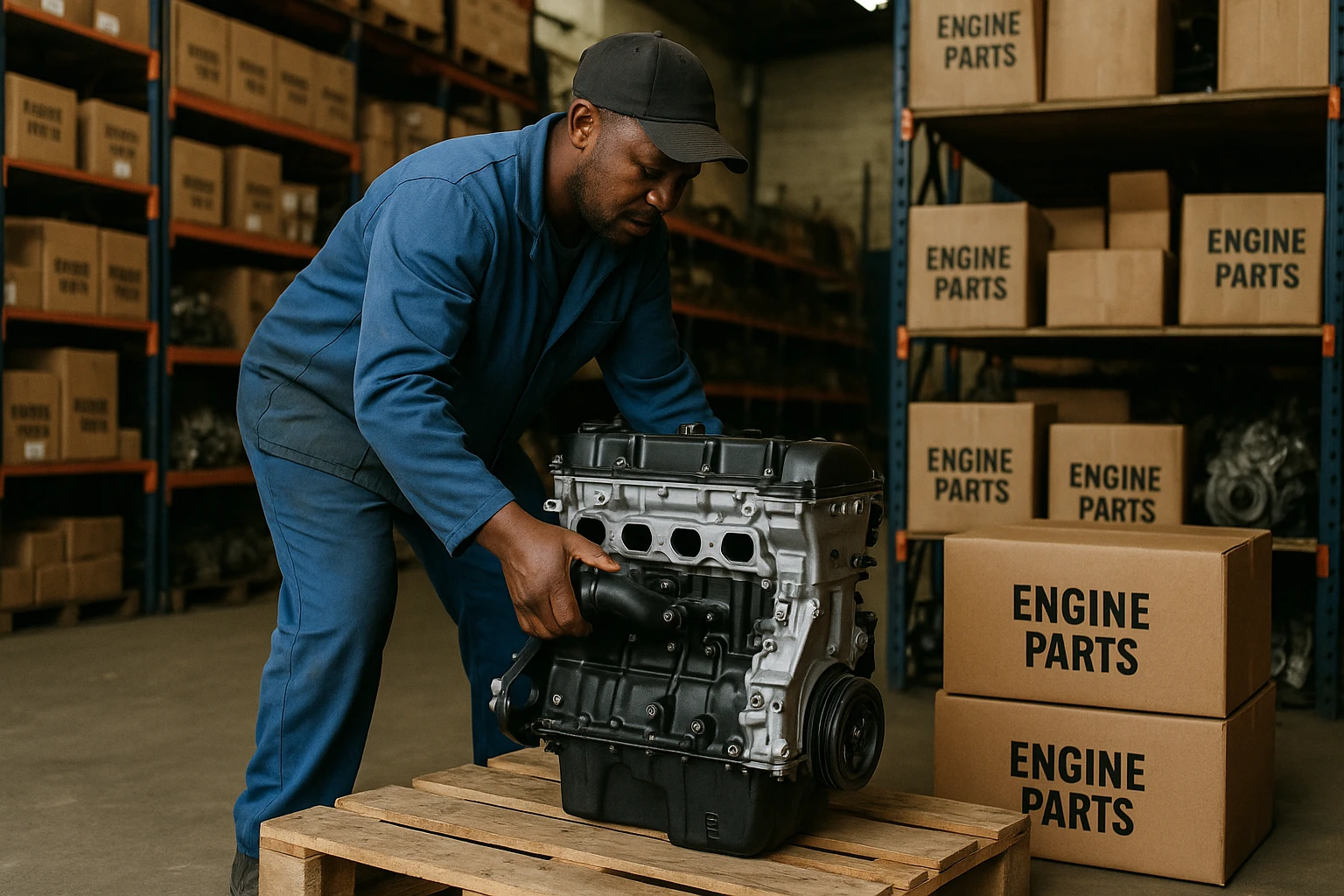
Availability is good through a mix of local dismantlers, engine importers and suppliers who specialise in second-hand spares and rebuilt engines. The market includes Japanese and German stripped spares, imported cores and rebuilt units tailored for South African conditions. Many suppliers offer nationwide delivery and short lead-times for common parts.
If you need a specific component or a tested replacement engine, shops and supply chains focused on bakkie and 4x4 spares can often source items quickly. For enquiries and to reserve parts, use the spare request form or contact specialist suppliers directly: Spare Form or Contact Us.
What should mechanics and small repair shops know about fitting a 2.2 replacement?
For mechanics, fitting a used or rebuilt ford ranger 2.2 engine requires careful pre-fit inspection: check engine mounts, driveline alignment, ECU compatibility, wiring harness condition and ancillary components (turbo, alternator, compressor). Consider whether the donor engine’s immobiliser/ECU matches the vehicle; mismatch can lead to immobiliser faults or poor running.
Workshops often keep a supply of common master parts like timing belts, tensioners and water pumps to fit with the engine swap. Bulk suppliers and importers frequently supply engines with optional partner parts, helping small businesses maintain fast turnaround times for customers.
What are the pros and cons of choosing the ford ranger 2.2 engine?
Below is a compact comparison to help you decide. The paragraph following the table gives context for South African owners.
Pros
Cons
Good fuel economy for the class
DPF/EGR maintenance required
Affordable replacement engines and spares
Less torque than larger 3.2/3.0 options for heavy towing
Simpler four-cylinder design — easier repairs
Some high-mileage units may need turbo or injector work
For many bakkie owners in South Africa, the pros outweigh the cons: the lower running costs, availability of imported and second-hand engines, and widespread mechanic familiarity make the 2.2 a pragmatic choice. Businesses that rely on bulk supply of engines and gearboxes can also keep repair costs predictable by sourcing tested cores and rebuilt units.
How much should you expect to pay for a replacement 2.2 engine in South Africa?
Costs vary by condition (used, reconditioned or rebuilt), mileage, included ancillaries and warranty. A quality second-hand core will be cheaper, while a fully rebuilt unit with a warranty costs more but reduces short-term risk. Pricing also depends on whether the unit is imported, a Japanese/German stripped spare, or locally rebuilt.
For accurate pricing tailored to your vehicle and budget, get quotes from engine importers and shops that specialise in used engines and parts. Use the online shop or contact forms to request a quote or availability check: Shop.
Where can I get help or buy a ford ranger 2.2 engine and parts?
Start with specialist suppliers who handle engine imports, rebuilt units and a wide range of new and used car parts. Many suppliers support nationwide delivery and work closely with mechanics, dismantlers and small repair shops to supply gearboxes, spares and complete engines. If you want a direct enquiry, fill out the spare form or reach out through the contact page to discuss options, warranties and delivery timelines.
Useful links for sourcing and service:
Final verdict: Is the ford ranger 2.2 engine right for you?
If you want a practical, fuel-efficient diesel that’s widely supported by South African mechanics, parts suppliers and importers, the ford ranger 2.2 engine is a compelling choice. It’s especially suitable for everyday work bakkies, fleets and owners who prioritise economy and predictable maintenance costs over maximum towing or off-road performance. With careful sourcing — whether rebuilt, imported or second-hand — and routine servicing, the 2.2 can run reliably for many years.
According to Ford technical specs and supplier experience, the engine provides a reliable, cost-effective power unit when fitted and maintained correctly. According to NAAMSA, pickups and light commercial vehicles continue to be a strong segment in South Africa’s market, which means plentiful parts and a healthy support network for popular engines like the 2.2. According to local engine importers and dismantlers, demand for affordable stripped spares and rebuilt engines has risen as owners look for ways to keep vehicles roadworthy amid rising operating costs.


 How does running cost compare to other Ranger engines?