
Is the N20 Engine Reliable? The Truth Behind BMW’s Turbo Four
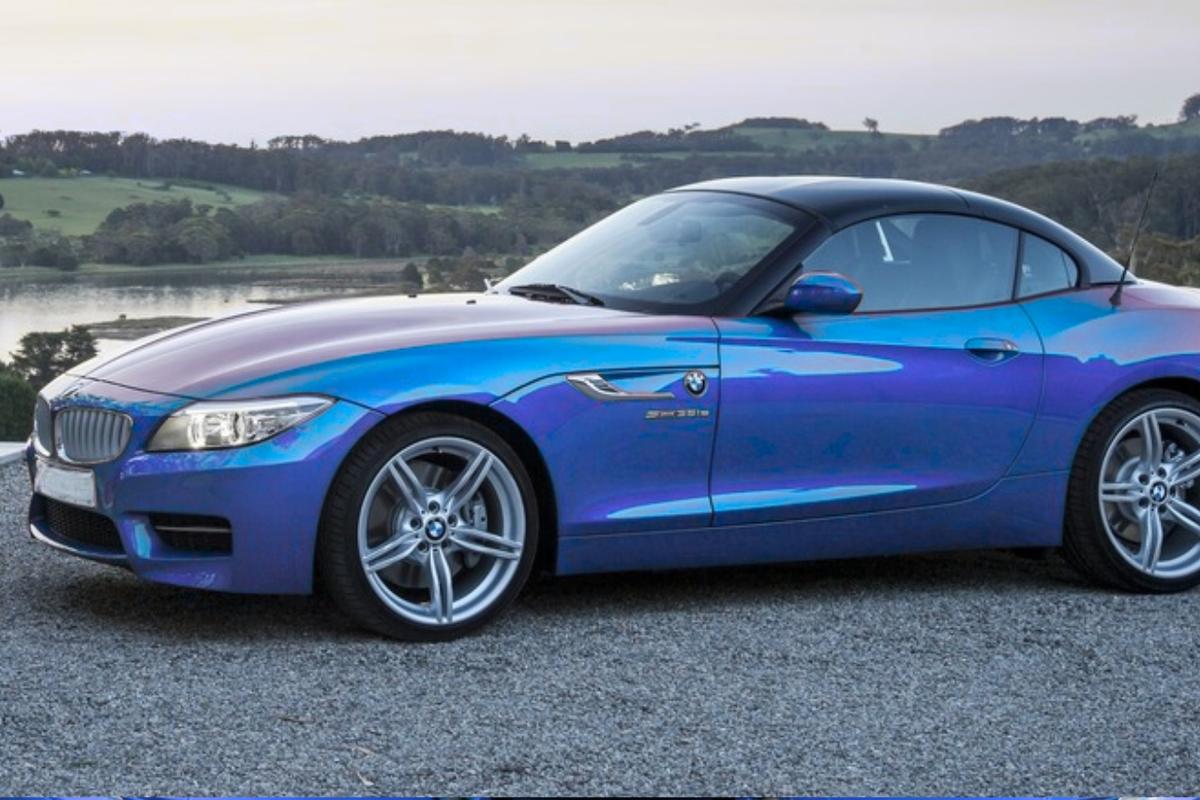
BMW N20 engine at a glance
- Type: 2.0-litre turbocharged petrol four-cylinder (direct injection, twin-scroll turbo)
- Built: 2011 to around 2017, replacing BMW's naturally aspirated six-cylinders
- Found in: F30 320i/328i, F10 520i/528i, X1 (E84), X3 (F25), Z4 (E89) and F20 125i
- Best-known problem: timing chain guide wear on earlier engines, so check service history and listen for a rattle on cold start
- Need a replacement? See our BMW N20 engine for sale, with warranty and nationwide delivery.
What Is the N20 Engine and Why Did BMW Create It?
The n20 engine is a turbocharged four-cylinder powerplant introduced by BMW in 2011 as a downsized replacement for the naturally aspirated inline-six engines. Designed to meet stricter emissions standards while still delivering strong performance, it was fitted in popular models like the F30 328i, X3, and 520i. It became known as a turning point for BMW, as it marked the brand’s shift toward efficiency without completely sacrificing driving pleasure.
Which BMW Models Used the N20 Engine?
The n20 engine powered a wide range of vehicles across BMW’s lineup, making it one of the brand’s most versatile modern engines.
| BMW Model | Years Equipped | Horsepower | Torque |
|---|---|---|---|
| F30 328i | 2012–2016 | 240 hp | 350 Nm |
| F10 520i / 528i | 2011–2016 | 181–245 hp | 270–350 Nm |
| X3 xDrive28i | 2011–2017 | 240 hp | 350 Nm |
| Z4 sDrive28i | 2011–2016 | 240 hp | 350 Nm |
Its widespread use made the engine easy to find in both new and used BMW vehicles.
Why Did BMW Transition to the N20 Engine from Six-Cylinders?
BMW introduced the n20 engine to meet global demands for fuel-efficient, lower-emission engines. While traditional six-cylinders offered smooth power, they consumed more fuel and produced higher emissions. With turbocharging and direct injection, the N20 delivered similar performance to older six-cylinders while offering significant fuel savings. This move allowed BMW to remain competitive in a market increasingly focused on efficiency.
Is the N20 Engine Known for Reliability?
The reliability of the n20 engine is a mixed subject. Many owners report excellent performance when maintenance schedules are followed, while others note common problems after 100,000 km. The engine was engineered with modern features like Valvetronic and direct injection, but these same features can lead to costly repairs if neglected. Using high-quality parts from trusted suppliers like Diversity Spares New Car Parts helps maintain the engine’s performance and longevity.
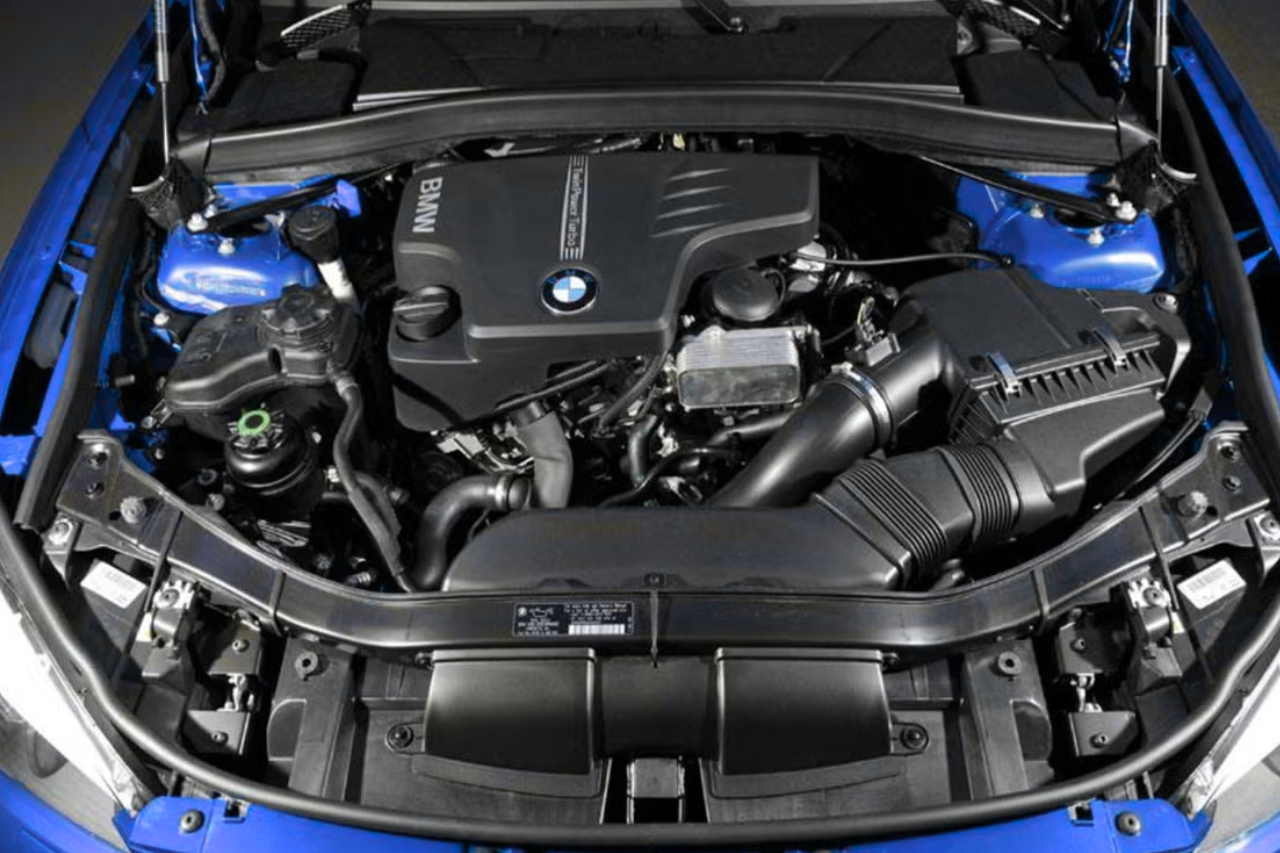
What Are the Most Common Problems with the N20 Engine?
The n20 engine is generally solid, but it does have recurring issues:
-
Timing Chain Failures: A well-documented issue that can lead to major engine damage if not addressed.
-
Valve Cover Gasket Leaks: Causing oil loss and smoke from the engine bay.
-
Turbo Wastegate Rattle: Resulting in noise and reduced turbo efficiency.
-
High-Pressure Fuel Pump Failures: Leading to hard starts or power loss.
-
Carbon Build-Up: On intake valves due to direct injection.
Owners should budget for preventative maintenance to avoid these problems becoming costly.
How Much Does It Cost to Maintain an N20 Engine?
Maintenance costs for the n20 engine vary depending on mileage and driving style. On average, annual upkeep can range between ZAR 8,000 and ZAR 20,000. Major repairs like a timing chain replacement can exceed ZAR 40,000. Many owners consider sourcing quality used car parts or refurbished components to reduce costs without compromising quality.
Can the N20 Engine Be Rebuilt or Replaced?
Yes, the n20 engine can be rebuilt or replaced, and many BMW specialists recommend this for high-mileage cars showing early signs of wear. A rebuild involves replacing key components like timing chains, pistons, and seals. Alternatively, sourcing a tested replacement through Diversity Spares Engine Imports ensures the car returns to peak condition without the risk of unreliable used engines from unknown sources.
How Does the N20 Engine Perform Compared to Rivals?
The n20 engine holds its own against competitors from Audi and Mercedes-Benz. With 240 hp and strong torque delivery, it offers spirited acceleration while maintaining respectable fuel economy. Unlike some rivals, it also delivers the hallmark BMW driving experience. However, reliability concerns give Audi’s 2.0T engines a slight edge for long-term ownership. Shoppers comparing options can browse alternatives through Diversity Spares Vehicles.
Can the N20 Engine Be Tuned for More Power?
The n20 engine is highly tunable. With a simple ECU remap, output can jump to around 280–300 hp. Supporting upgrades like an intercooler, high-flow intake, and performance exhaust can push it further, making it a favorite among enthusiasts. However, tuning increases stress on engine components, making proper maintenance even more critical. For performance parts, browsing the Diversity Spares Shop provides access to high-quality components.
Should You Buy a BMW with the N20 Engine Today?
Buying a BMW with the n20 engine can be a smart choice if you’re prepared for regular maintenance and aware of its known issues. It offers excellent performance, efficiency, and a great driving experience, but skipping preventative care can lead to expensive repairs. Always request a detailed service history before purchase, and when in doubt, consult specialists via the Diversity Spares Contact Page. For historical insight, you can also check Wikipedia.