Is the Renault K7M Engine Reliable? Specs, Costs & Reviews
Drikus · 9/30/2025 · 13 min read
The K7M Engine is a compact, widely used Renault petrol unit; this guide explains its reliability, common failures, maintenance tips, and where to source affordable replacement engines and spares in South Africa.
What is the K7M Engine and who made it?
The K7M Engine is part of Renault's K-family of small petrol engines — a 1.4-litre, 8-valve, naturally aspirated unit that powered many Renault and allied models from the late 1990s into the 2000s. According to Renault technical literature, the K7M was designed as a simple, serviceable unit for compact cars and light commercial vehicles. It prioritises low-cost maintenance and ease of parts replacement, which explains why this engine is still popular among fleet owners, bakkie users and DIY mechanics in South Africa.
The engine was fitted to models such as the Renault Clio, Renault Twingo (in some markets), and first-generation Megane derivatives, and appears in many used-car and dismantled-vehicle inventories. For a manufacturer overview, see the Renault entry on Wikipedia.
Is the K7M Engine Reliable?
Yes — the K7M Engine is generally considered reliable when maintained correctly. Reliability comes from a straightforward design with a non-complex valvetrain and widely available spares. In practice, many K7M units in South Africa continue to clock high mileage when owners follow routine service intervals and address oil and coolant leaks promptly.
Factors that affect reliability include whether the engine has been regularly serviced, the condition of the head gasket, and the history of overheating or neglect. For small garages, mechanics and spare-part suppliers, the K7M is an attractive option because second-hand and rebuilt units are commonly available and affordable.
What are the most common problems with the K7M Engine?
Although the K7M Engine is robust, certain failure points come up repeatedly in workshops and dismantlers' yards. The common issues are:
Head gasket leaks — especially in overheated engines
Oil leaks from camshaft seals and valve cover gasket
Intake manifold and throttle-body carbon buildup causing rough idle
Faulty thermostats leading to overheating complaints
Worn timing chain tensioner (depending on service history)
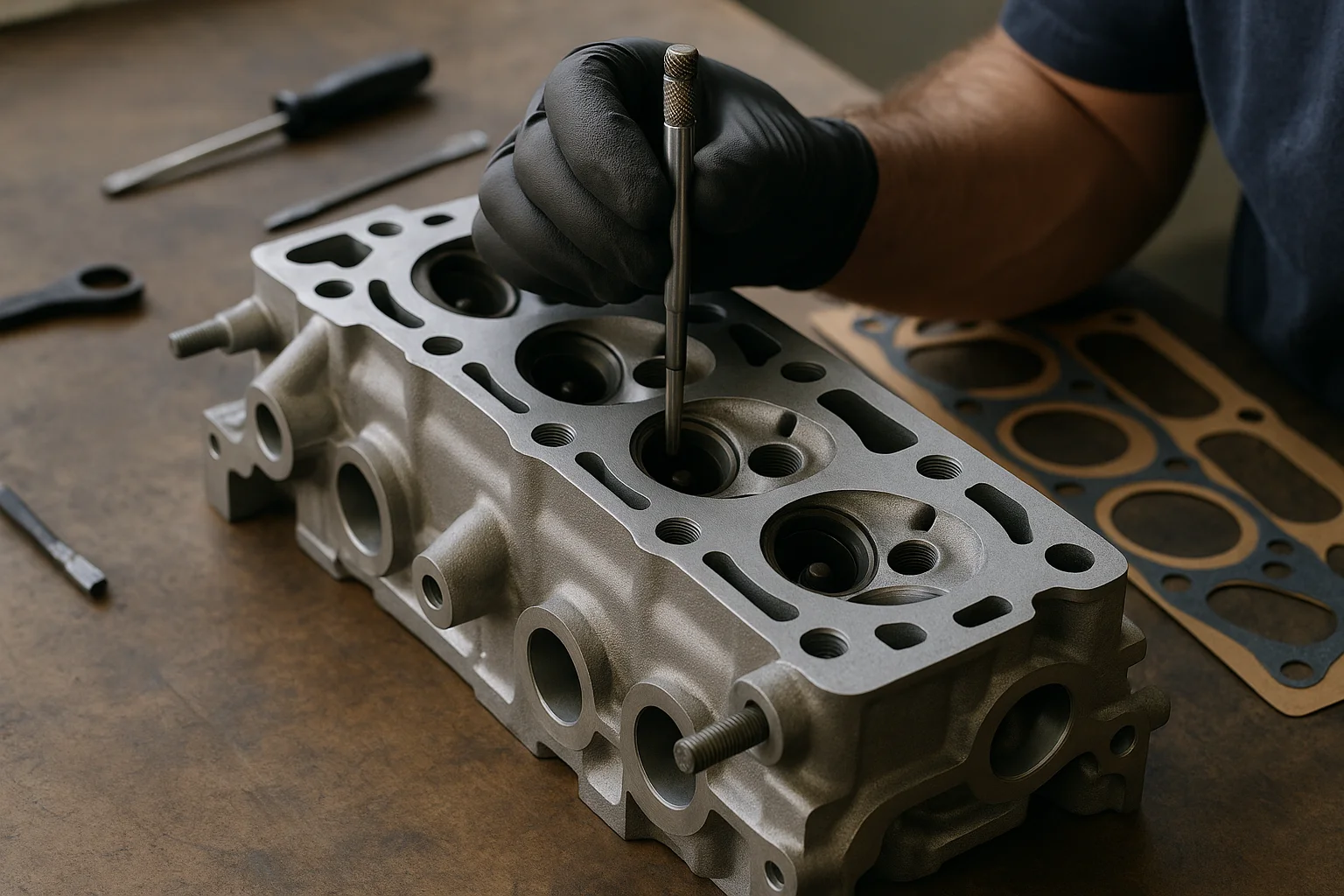
Workshops in the auto spares and vehicle dismantling industry often see the same failure patterns. Replacing minor items like seals and the thermostat can restore long life. If the cylinder head shows warpage or the head gasket repeatedly fails, that is a sign of prior overheating and may warrant a full rebuild or engine replacement.
How should you maintain a K7M Engine to maximise life?
Regular, preventative maintenance keeps the K7M Engine running reliably. A clear maintenance plan for South African conditions (stop-and-go traffic, high ambient temperatures, and dusty roads) includes:
Oil and filter change every 7,500–10,000 km with quality-grade oil
Cooling-system flush and coolant change every 2 years or according to service intervals
Check and replace the thermostat and radiator hoses as needed
Inspect valve and cam seals during major services to prevent oil leaks
Use a clean air filter and inspect the intake for carbon buildup
Beyond parts replacement, a careful owner or mechanic should track service history and avoid prolonged engine overheating. For garages supplying engines and gearboxes, offering a service package with a second-hand or rebuilt K7M can increase customer confidence and reduce return work.
What fuel economy and performance should you expect from a K7M Engine?
The K7M Engine is tuned for economy rather than outright performance. Expect modest power figures (roughly 60–75 kW depending on tuning and exact variant) and fuel consumption that aligns with light, 1.4-litre petrol engines: practical urban economy with reasonable highway efficiency when properly maintained.
Performance expectations should be set by vehicle weight and transmission pairing — lighter hatchbacks will feel sprightlier than large bodied family cars. Upgrades are limited; most owners prefer ensuring base reliability rather than aftermarket tuning.
How much does it cost to replace or rebuild a K7M Engine in South Africa?
Costs vary depending on whether you choose a second-hand (used), rebuilt, or imported replacement. Below is a typical range seen across suppliers, dismantlers and engine-import specialists in South Africa:
Type
Typical South Africa Cost (ZAR)
Pros
Cons
Second-hand (local)
R8,000 – R18,000
Cheapest, quick availability
Unknown history, shorter warranty
Rebuilt (local workshop)
R18,000 – R35,000
Refurbished internals, longer warranty
Higher labour/time cost
Imported (tested)
R20,000 – R40,000+
Tested units, documented kms
Shipping lead time and import fees
Prices depend on mileage, warranty, and whether the engine is supplied with ancillaries (ECU, alternator, wiring loom). According to the South African Automotive Aftermarket Association (SAAA), demand for imported and stripped spares has increased as owners look for cost-effective engine swaps and tested units. Your local dismantler or engine-import partner can advise on lead times and nationwide delivery.
Where can you source K7M engines and spares in South Africa?
South Africa has a healthy market of scrappers, engine importers, and spare-part suppliers who handle K7M engines. Reliable sources include:
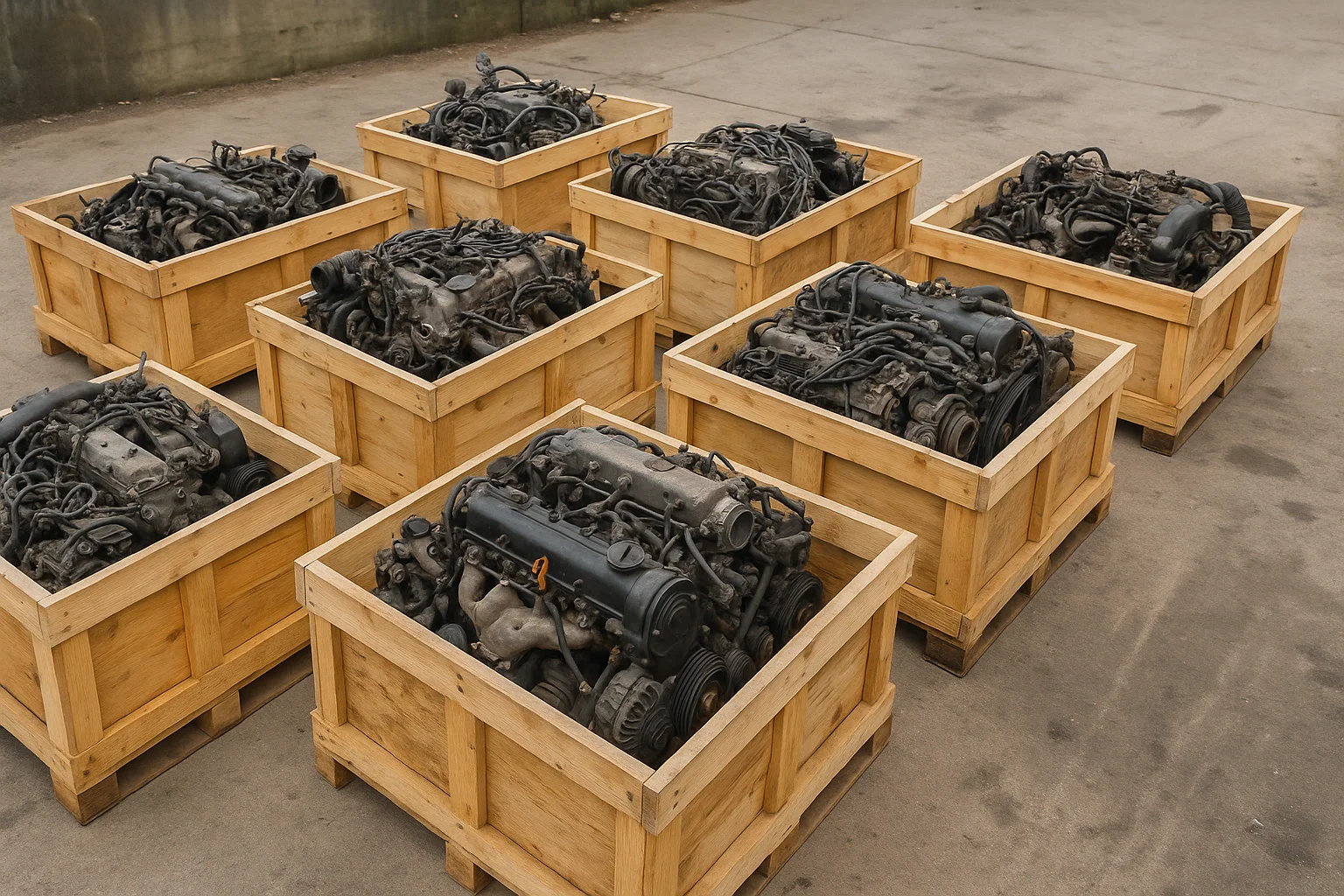
Local vehicle dismantlers and used-parts yards that supply second-hand engines
Rebuild workshops that offer tested, warrantied engines
Engine import specialists that source clean, low-mileage units from overseas
Online spare-part shops and marketplaces for gaskets, seals and ancillaries
For businesses and mechanics seeking to buy in bulk or order a specific tested unit, consider an engine-import service or a specialist dismantler. If you need replacement parts rather than a whole engine, browse new and used options — for example, check local new car parts and used car parts inventory to compare prices and availability. You can also complete a spare inquiry form to request specific K7M units or components.
According to Wikipedia and other technical references, K-family engines have been widely used across Renault’s small-car range, so many spares are common and cross-compatible within the family.
How to choose between second-hand, rebuilt, or imported K7M engines?
Choosing the best route depends on budget, tolerance for risk, and turnaround time. Consider these decision points:
Budget: second-hand units are cheapest but riskier; rebuilt units cost more but include parts replacement and often a warranty.
Warranty: rebuilt and tested imported units commonly carry warranties — valuable if you want peace of mind.
Parts availability: if you plan to keep the car long-term, prefer rebuilt units with replaced wear items.
Installation complexity: check if the engine comes with ancillaries and the correct ECU — mismatches raise costs.
Mechanics and small auto repair businesses often balance cost and liability by offering a rebuild option with a short warranty for local customers. For one-off personal projects, a good-condition second-hand unit can be ideal if you get a visual inspection and a short return policy.
Which cars and gearboxes are compatible with the K7M Engine?
The K7M Engine is found in many small Renault models and is usually matched to manual five-speed and some four-speed automatic transmissions depending on the vehicle. Compatibility matters when sourcing a replacement — you should match motor mounts, gearbox bellhousing, and sensors.
Common compatibility checklist:
Confirm engine code (K7M) and sub-variant
Match transmission model (manual vs auto) to avoid adapter plates or custom housings
Verify ECU compatibility and wiring harness fitment
For bakkies, 4x4 conversions, or unusual swaps, discuss gearbox options with a transmission specialist. Many local workshops also sell matched gearboxes and offer fitting packages to keep the drivetrain reliable after an engine swap.
What should installers and mechanics watch for when fitting a K7M Engine?
Installation pitfalls often cause returns. Installers should:
Pressure-test the cooling system before first start
Replace head gasket and timing components if history is unknown
Ensure correct torque for head bolts and check for warped cylinder heads
Match ECU and immobiliser components to avoid electrical issues
Test drive thoroughly under load to confirm gearbox/engine harmony
Mechanics supplying engines and gearboxes will find that offering a pre-fit checklist and a short post-fit warranty reduces disputes. Workshops that can supply ancillaries (alternator, starter, sensors) and perform a full service reduce customer callbacks.
Should you repair or replace a worn K7M Engine? Decision checklist
Deciding whether to repair or replace a K7M depends on three things: cost, time, and long-term plans. Use this checklist:
Cost of parts and labour for a rebuild vs cost of a ready-rebuilt engine
Extent of damage: single head-gasket or multiple scored bores?
Vehicle value: compare repair cost to the car's market worth
Availability of engines/parts locally and delivery timeframes
For older vehicles where the repair cost approaches the vehicle’s value, a second-hand or imported replacement often makes more sense. Conversely, for cherished vehicles or where the vehicle has low mileage and a clean history, rebuilding can extend life at a reasonable cost.
Final recommendations for South African buyers and mechanics
The K7M Engine remains a reliable, affordable option for drivers and repair shops across South Africa. For small auto repair businesses, sourcing tested or rebuilt K7M engines and offering matched gearbox packages creates recurring revenue and satisfied customers. According to the South African Automotive Aftermarket Association (SAAA), demand for stripped spares and cost-effective engine swaps has risen amid fuel-price pressures and parts shortages — making the K7M an attractive candidate for economical repairs.
If you need assistance sourcing a K7M engine, parts, or fitting services, consider contacting reputable engine importers and dismantlers, checking new and used parts stock, and submitting an enquiry form for a tailored quote. For immediate parts or to start an engine search, visit our engine imports, used car parts, new car parts, or complete a spare enquiry form to get matched quotes and nationwide delivery. If you want to speak to a specialist, contact our team for tailored advice and bulk-supply options for workshops and mechanics.
Quick reference: Where to begin
Start by documenting your vehicle’s engine code, current symptoms, and budget. Then follow these three steps:
Contact a supplier to request photos, km history and warranty details.
Decide between rebuild vs replacement using the cost table above.
Book a reputable installer and insist on a pre-fit checklist and post-fit test drive.
For commercial enquiries, bulk orders, or to source a tested imported unit, reach out via the contact page or submit a spare request form.
Renault K7M Engine FAQs
What is the K7M Engine and who made it?The K7M is a 1.4‑litre, 8‑valve, naturally aspirated petrol engine from Renault’s K‑family. It was fitted to compact models like the Clio, Twingo, and early Megane, designed for simplicity, service‑ability, and low running costs.
Is the K7M Engine reliable?Yes—its simple valvetrain and wide parts availability contribute to strong reliability if maintained correctly. Neglecting issues like gasket or seal leaks can, however, shorten its lifespan.
What are the most common problems with the K7M Engine?Common issues include head gasket leaks, oil leaks from valve cover and cam seals, carbon buildup in the intake, faulty thermostats, and worn timing chain tensioners in high‑mileage units.
How should you maintain a K7M Engine to maximize life?Routine service every 7,500–10,000 km, coolant flushes every 2 years, thermostat and hose checks, seal inspections, and maintaining a clean intake are key to durability under South African conditions.
What fuel economy and performance should you expect from a K7M?Designed for economy, the K7M produces around 60–75 kW depending on variant and offers decent urban and highway fuel efficiency when properly maintained.
How much does it cost to replace or rebuild a K7M Engine in South Africa?Second‑hand units: R8,000–R18,000. Rebuilt engines: R18,000–R35,000. Imported tested units: R20,000–R40,000+, depending on condition, mileage, warranty, and included ancillaries.
Where can you source K7M engines and spares in South Africa?Sources include local dismantlers (used engines), workshops offering remanufactured units, import specialists with tested overseas stock, and online spare-part retailers offering new and used parts.
How to choose between second‑hand, rebuilt, or imported K7M engines?Second‑hand is cheapest but riskier. Rebuilt offers better reliability and warranty. Tested imports are documented but can cost more. Choose based on your budget, risk tolerance, and need for turnaround time.
Which cars and gearboxes are compatible with the K7M Engine?K7M was fitted to Renault Clio, Megane, and similar models with manual or auto transmissions. Confirm engine code, transmission type, mounting, and ECU compatibility when purchasing replacements.
What should installers watch for when fitting a K7M?Ensure cooling system pressure-test, replace gaskets/timing components if unknown history, check head warpage, match ECU/immobiliser, and test drive under load to confirm proper fitment.
Should you repair or replace a worn K7M Engine?Repair if damage is limited (e.g., gasket or valve job), but opt for replacement if bottom-end damage exists or long-term reliability is important. Always compare costs, parts availability, and vehicle value.