
Engines and Gearboxes
Lexus V8 Engine: LS400 Reliability, Common Leaks, and What to Check Before You Buy
Drikus · 2/21/2026 · 13 min read
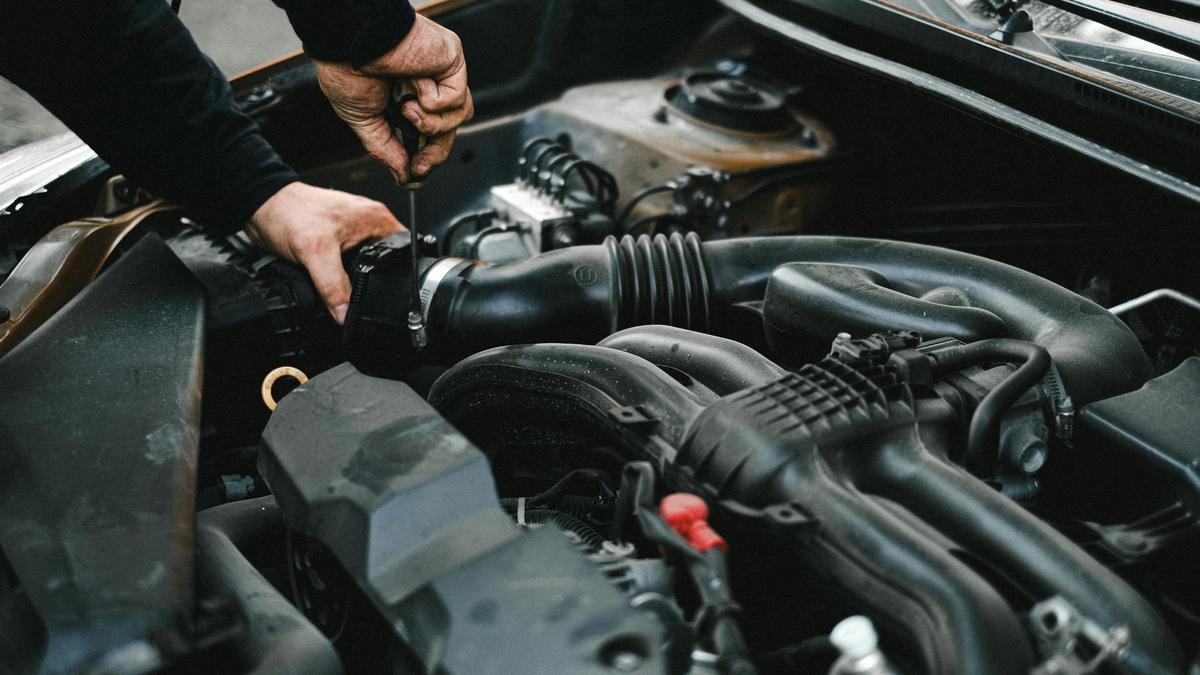
lexus v8 engine owners and buyers often ask the same questions: how reliable is it, what leaks should I expect, and what should I check before I buy a replacement? This guide covers reliability, common failure points, maintenance advice, and practical sourcing options for engines, gearboxes and stripped spares in South Africa.
For workshops in South Africa supplying stripped spares or rebuilt engines, addressing these common leaks before sale improves customer satisfaction. Many salvage and parts suppliers now supply gasket kits with rebuilt engines to eliminate repeat leak complaints.
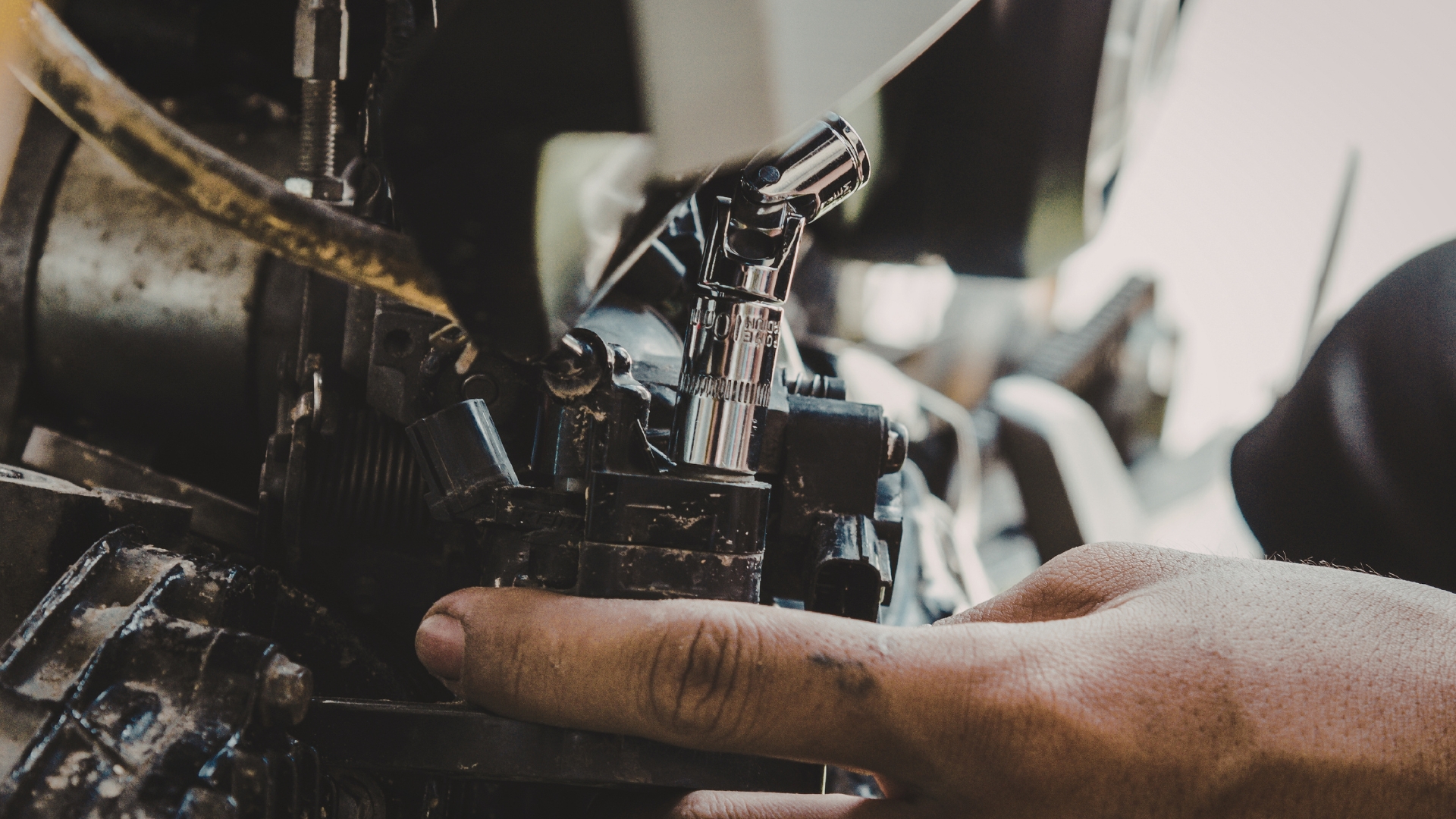
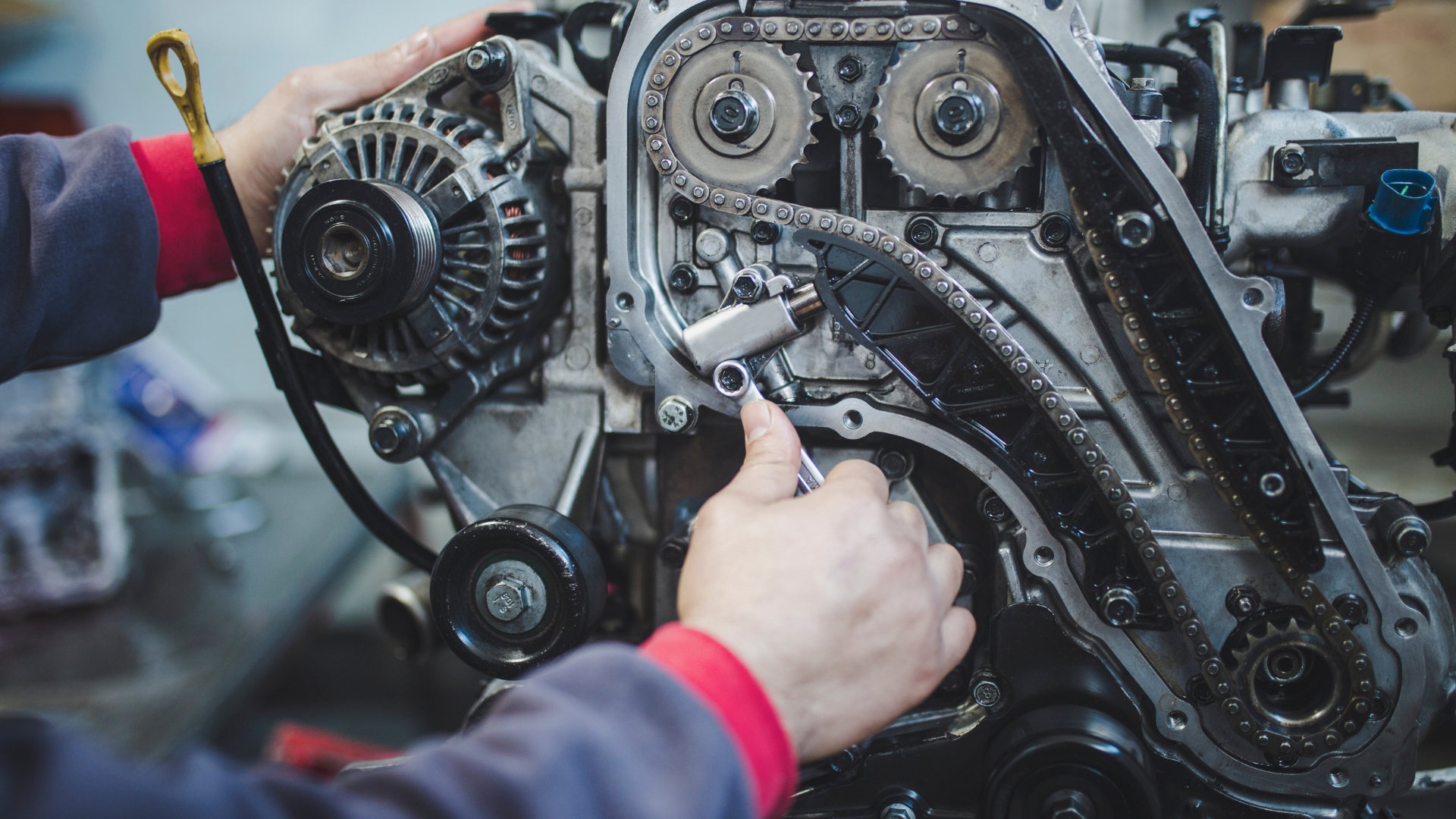
Is the lexus v8 engine reliable?
Short answer: yes — Lexus V8 engines, particularly the 1UZ-FE and later units, have a strong reputation for durability when serviced correctly. The V8s used in the LS400, GS, and other Lexus models were engineered by Toyota with conservative tolerances and high-quality materials. That engineering focus translates into long service lives; many owners report reaching 300,000 km and beyond on original engines. According to J.D. Power, Lexus consistently ranks highly for reliability and customer satisfaction, which correlates with the longevity of its drivetrain components. According to Wikipedia, the original Lexus LS (LS400) launched in 1989 helped establish the brand’s reputation for premium build quality. Over the life of these engines, proper maintenance—regular oil changes, coolant service and timing component checks—plays a bigger role than occasional parts failures. For South African drivers and workshops, that means a used Lexus V8 engine can be a cost-effective replacement if it comes with service records and has no major oil or coolant contamination issues. If you’re buying a used example, document history and have a compression/leak-down test carried out.What are the most common leaks on a Lexus V8 engine?
Common leaks on Lexus V8 engines are predictable and, in many cases, straightforward to repair. Typical leak sources include oil pan gaskets, valve cover gaskets, front crankshaft seal, and coolant hoses or thermostat housings. Older LS400s are prone to slow oil weeping from valve cover gaskets and the timing cover area due to age-related gasket hardening. Below is a quick table summarising common leak points and typical signs:| Leak Source | Symptoms | Typical Fix |
|---|---|---|
| Valve cover gasket | Oil on rocker cover, burning smell | Replace gasket, clean carbon deposits |
| Oil pan gasket | Oil on belly pan, visible drips | Drop pan, reseal or replace |
| Front crank seal | Oil at front of engine, near timing cover | Replace seal, check timing cover |
| Coolant hoses/thermostat housing | Coolant puddle, overheating | Replace hoses/clamps or housing |
How to inspect a used Lexus V8 engine before purchase?
Inspecting a Lexus V8 engine thoroughly can save you thousands. Start with a visual inspection for oil and coolant leaks, corrosion, and signs of overheating (white crusty coolant deposits). Check the oil dipstick for milky residue (sign of coolant in oil) and note the oil level and smell; a burnt smell can indicate poor maintenance. Perform these checks: compression test or leak-down test, inspect timing belt/chain condition (depending on model), check for sludge in the oil cap and under the valve cover, and observe the engine running for abnormal noises such as knocking or lifter tick. If the engine has a timing belt, verify replacement intervals—overdue belts can cause catastrophic failure. For second-hand engine sourcing and rebuilds in South Africa, ask suppliers for a history of the engine’s usage (city vs. highway), mileage, and any recent work. Many reputable engine importers and rebuilt-engine sellers will provide test-run videos and a short warranty as part of the sale; use that leverage when negotiating.What to look for when buying a rebuilt or imported Lexus V8 engine in South Africa?
Buying a rebuilt or imported lexus v8 engine in South Africa requires careful vetting of the supplier and paperwork. Confirm the engine’s serial number, ask for a detailed rebuild report, and verify replacement of wear items—main and rod bearings, piston rings, camshaft journals, and seals. A quality rebuild should include machining tolerances and parts lists. Key buying checklist items:- Rebuild documentation and parts list
- Short warranty and terms (e.g., 3–12 months with kilometres cap)
- Photos or video of the test run
- Clear return policy and installation guidance
How much does it cost to repair common Lexus V8 leaks and faults?
Repair costs vary by region and parts availability. In South Africa, a valve cover gasket replacement might cost anywhere from R1,200–R3,000 including labour, while an oil pan gasket or front seal replacement can be R2,500–R7,000 depending on access and whether the engine needs to be removed. Major repairs—such as piston ring replacement, head work or full engine rebuilds—can be in the tens of thousands of rand. According to Consumer Reports and independent repair surveys, labour represents a large portion of repair bills in developed markets, and the same applies here due to the V8’s complexity and time required for some repairs. When budgeting, consider buying a quality rebuilt engine from a reputable supplier; for many South African workshops and fleet owners, the total cost (engine + installation) can be lower than repeated smaller repairs on a high-mileage unit.What maintenance does a Lexus V8 engine need to reach high mileage?
Routine maintenance is the single most important factor in V8 longevity. Regular oil and filter changes using the recommended viscosity and grade, cooling system flushes, and attention to the valve cover and timing area will keep a Lexus V8 running smoothly. If the engine uses a timing belt, replace it at the recommended interval; many V8 engines in older Lexus models use timing belts, and failure can be catastrophic. Recommended routine items:- Oil and filter: every 8,000–12,000 km or per owner’s manual
- Coolant replacement: every 2–4 years
- Spark plugs and ignition service: per interval
- Fuel injectors and intake cleaning if fuel quality is poor
How common are head gasket failures and what causes them?
Head gasket failure on Lexus V8 engines is relatively uncommon compared to some other makes, but it does occur due to overheating, improper torque sequences during previous repairs, or age-related material degradation. Symptoms include persistent coolant loss, white exhaust smoke, milky oil, and overheating. If you suspect a head gasket issue, perform a cooling system pressure test, a chemical test for combustion gases in the coolant, and a compression test across all cylinders. Replacing a head gasket involves checking for warped or cracked cylinder heads and often resurfacing, which increases cost. For buyers, a clear history showing no past overheating incidents and evidence of routine coolant changes reduces risk.What are the best upgrades or preventative parts for high-mileage Lexus V8 engines?
Preventative upgrades can extend life and reduce downtime. Consider high-quality silicone coolant hoses, upgraded oil seals, and modern multi-layer steel (MLS) gaskets if you do head work. Improved thermostat units and radiator upgrades help control running temperature, which is important in South Africa's hotter regions and for bakkie or 4x4 applications carrying heavy loads. Other common upgrades include:- Performance or heavy-duty water pumps for higher load conditions
- High-flow fuel filters and upgraded fuel pumps (if fuel quality is an issue)
- Improved engine mounts to reduce stress on oil lines and wiring
How do gearbox choices affect Lexus V8 swaps and replacements?
When swapping or replacing a Lexus V8 engine, gearbox compatibility is critical. Gearbox selection affects driveline alignment, electronics, and mount points. Many owners prefer pairing the original matched gearbox to avoid wiring and ECU tuning headaches. However, aftermarket or salvage gearboxes from compatible Lexus or Toyota models are often used, especially in cost-sensitive repairs. For South African mechanics supplying engines and gearboxes, offering matched engine-gearbox packages reduces installation complexity and turnaround time. Check bellhousing bolt patterns, torque converter compatibility for automatics, and clutch/flywheel specifications for manuals. For compatibility and sourcing, see available gearbox brands and imports via our gearbox brands and gearbox imports pages.Where to source reliable Lexus V8 engines, gearboxes and stripped spares in South Africa?
Reliable sourcing matters. South African buyers can choose between local rebuilt units, imported Japanese engines, and used units from salvage yards. When sourcing, prioritise suppliers that perform quality testing, offer short-term warranties, and supply clear paperwork. Many businesses support small auto repair shops with bulk supply options and nationwide delivery to reduce downtime. Helpful steps when choosing a supplier:- Verify warranty terms and exclusions
- Request run-in videos and part lists
- Confirm delivery and installation support
- Check reviews and ask for mechanic referrals
What are red flags to avoid when buying a Lexus V8 engine or parts?
There are several red flags that should make you step back: no paperwork or serial number for the engine; suppliers who refuse to allow compression or leak-down testing; engines sold “as-is” without any short-term warranty; or unusually low prices that seem too good to be true. Other red flags include inconsistent serial numbers between engine and paperwork, heavy external corrosion, and evidence of previous overheating or machine work without supporting documentation. Always insist on some form of return policy or warranty and, when possible, have a trusted mechanic inspect the engine before finalising the purchase. For small businesses and mechanics, working with reputable engine importers and rebuilders reduces the risk of repeat faults and supports fast turnaround on repairs.
Final checklist: What to do before installing a replacement Lexus V8 engine
Before installation, perform a final checklist to protect your investment. Flush the cooling system, replace all external gaskets and seals (valve cover, oil pan, front and rear main seals), install new filters, and change oil and coolant. Fit new belts/hoses and inspect motor mounts. If the engine is rebuilt or imported, run it on a stand or during break-in procedures recommended by the rebuilder. Checklist summary:- Verify serial number and documentation
- Replace seals, filters, belts, hoses and thermostat
- Test-run the engine before final installation where possible
- Check gearbox compatibility and mounts
- Follow break-in procedures for rebuilt engines