
M50 Engine: Why BMW Enthusiasts Still Swear by This Inline-Six Legend
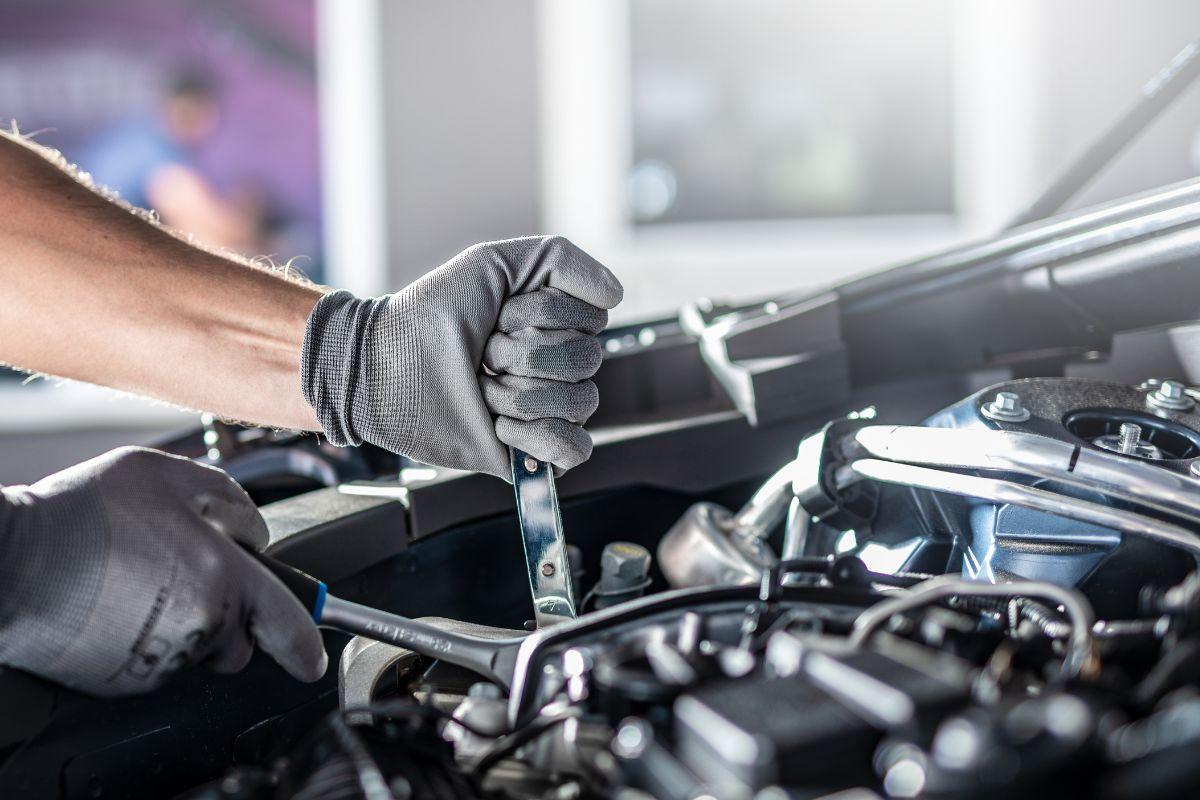
The m50 engine is one of BMW's most iconic straight-six motors, known for its smooth power delivery, rock-solid reliability, and mod-friendly design. Originally launched in the early '90s, it continues to captivate BMW enthusiasts and tuners around the world. Whether you’re considering a swap, rebuild, or just curious why this powerplant is so revered, this article explores everything you need to know about the legendary M50 engine.
What makes the M50 engine so special in BMW’s history?
The M50 engine debuted in 1990 and marked a major shift for BMW, introducing a modern DOHC inline-six design with electronic fuel injection and, later, VANOS (variable valve timing). Built with an iron block and aluminum head, it delivered smooth power and durability across the E34 5 Series and E36 3 Series. Available in 2.0L and 2.5L variants (M50B20 and M50B25), it quickly gained a reputation for reliability and excellent tuning potential, laying the groundwork for future engines like the M52 and M54.
Which BMW models came equipped with the M50 engine?
The m50 engine powered several BMW models from 1990 to 1996. These include:
-
E34 5 Series – 520i, 525i
-
E36 3 Series – 320i, 325i, 325is
-
E36 Coupé and Convertible models
-
Some early E36 Compact and Touring variants
This widespread use, especially in the highly popular E36 chassis, helped make the M50 engine a household name among BMW fans and cemented its place in tuning culture. If you're searching for engine options by model, browse Vehicles to match compatibility.
How reliable is the M50 engine?
One of the reasons BMW enthusiasts love the m50 engine is because it’s incredibly reliable—when maintained properly. It features a sturdy cast-iron block, strong internals, and a simple, serviceable design. Known for withstanding high mileage, it's not uncommon to see M50s running beyond 300,000 km. Common maintenance includes replacing VANOS seals, keeping the cooling system in check, and addressing oil leaks from the valve cover and oil pan. Stick to factory service intervals, and this engine will reward you with years of smooth performance.
What are the key differences between the M50B20 and M50B25?
The M50 came in two primary variants:
| Engine | Displacement | Power Output | Torque |
|---|---|---|---|
| M50B20 | 2.0L | 110–150 hp | ~190 Nm |
| M50B25 | 2.5L | 189 hp | 245 Nm |
The M50B25 is the more desirable version due to its stronger low-end torque and higher power output. Enthusiasts often seek out the M50B25 for engine swaps or turbo builds. Both variants later received VANOS (M50TU), which improved drivability and efficiency. For a closer look at replacement parts, check out New Car Parts.
Can the M50 engine handle performance upgrades?
Absolutely. The m50 engine is a tuner’s dream. Thanks to its strong internals and solid block design, it handles mild to moderate boost levels without issue. Common performance upgrades include:
-
Cold air intake and performance exhaust
-
Upgraded camshafts
-
ECU tuning
-
Turbocharging kits (popular with M50B25 swaps)
-
Larger fuel injectors and MAF sensors
With proper tuning, it's not uncommon to see turbocharged M50s making 300–400 hp on stock internals. However, reinforcing the internals is recommended for builds pushing over 450 hp.
What are the most common issues with the M50 engine?
While generally bulletproof, the m50 engine does have a few known issues:
-
Oil leaks from the valve cover gasket and oil pan
-
Coolant system failures, especially water pumps with plastic impellers
-
VANOS seal wear, causing loss of low-end torque (in M50TU models)
-
Crank position sensor failure, leading to rough starts or no-start conditions
These issues are minor compared to other engines in its class and are often inexpensive to fix. For budget-conscious repairs, consider checking Used Car Parts.
Is the M50 engine a good choice for an engine swap?
Definitely. The M50 is one of the most popular swap candidates for older BMW models like the E30, as well as for custom builds. Its availability, affordability, and tunability make it a top choice for both street and track use. Swapping into an E30 or E28 usually requires minimal modification, and the wiring is well-documented in the BMW community. If you're considering a swap project, explore available M50 units through Engine Imports.
How does the M50 engine compare to the M52?
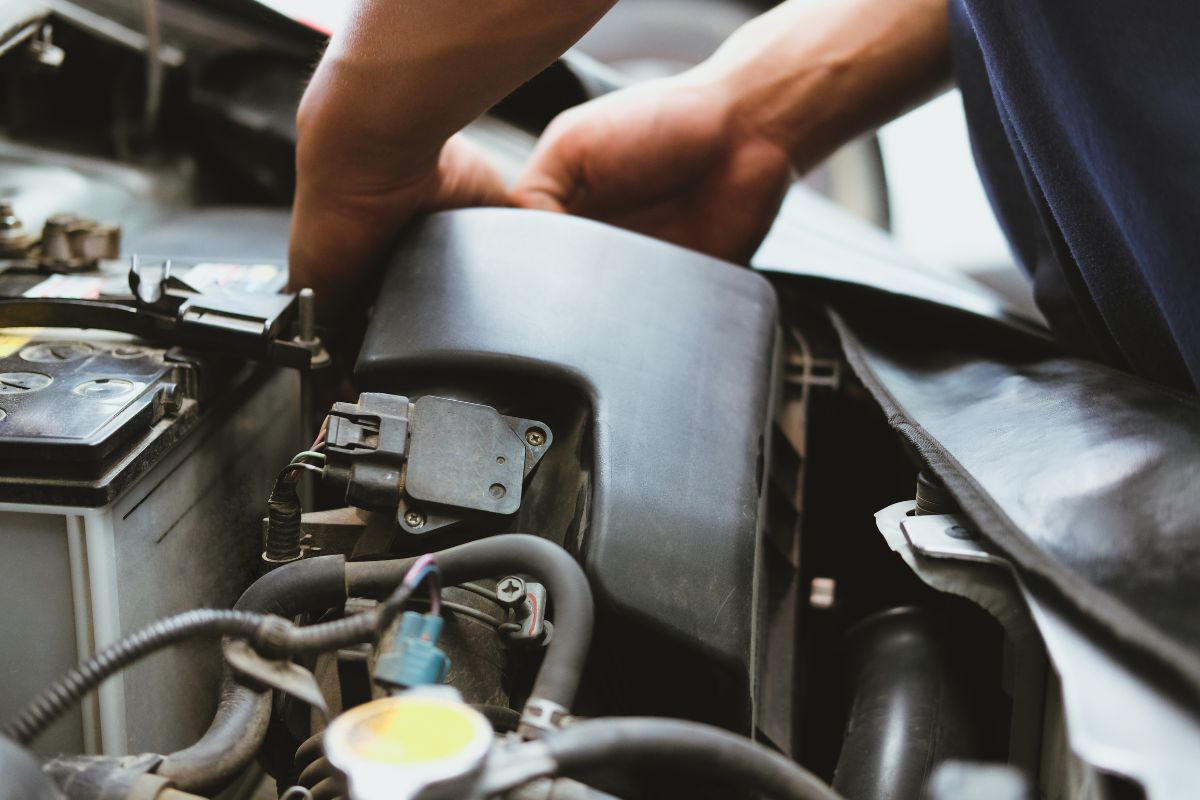
The M52, which succeeded the M50, brought improvements in emissions and fuel economy, but not everyone sees it as a strict upgrade. While the M52 uses an aluminum block with Nikasil coating (later replaced by Alusil), the M50’s iron block is considered stronger—especially for forced induction builds. Here's a quick comparison:
| Engine | Material | VANOS | Strength |
|---|---|---|---|
| M50 | Iron block | Single (M50TU) | Excellent for boost |
| M52 | Aluminum block | Single | Lighter but weaker for high boost |
Both engines are great, but the m50 engine remains the purist's choice for a strong, no-nonsense build.
Can you still find replacement M50 engines and parts?
Yes, despite its age, the m50 engine is still widely available in the used parts market. You can find complete engines, heads, intake manifolds, and all supporting hardware through reputable local and online dealers. LM Diversity Spares offers a range of options, from full engine setups to rebuild kits. You can start your search using the Spare Parts Form or browse available parts directly on the Shop.
Where can I learn more about maintaining or modifying the M50 engine?
The M50 engine community is vast, with decades of experience and shared knowledge. Forums, YouTube channels, and tech blogs are great resources. You can also stay up to date with BMW-related maintenance and tuning advice via the LM Diversity Spares Blog. And for a detailed technical history, the BMW M50 engine Wikipedia page is worth a read.