
Engines and Gearboxes
Mercedes M113 5.0 V8 Engine Misfire, Smoke, or Oil Use Explained
Drikus · 11/19/2025 · 8 min read
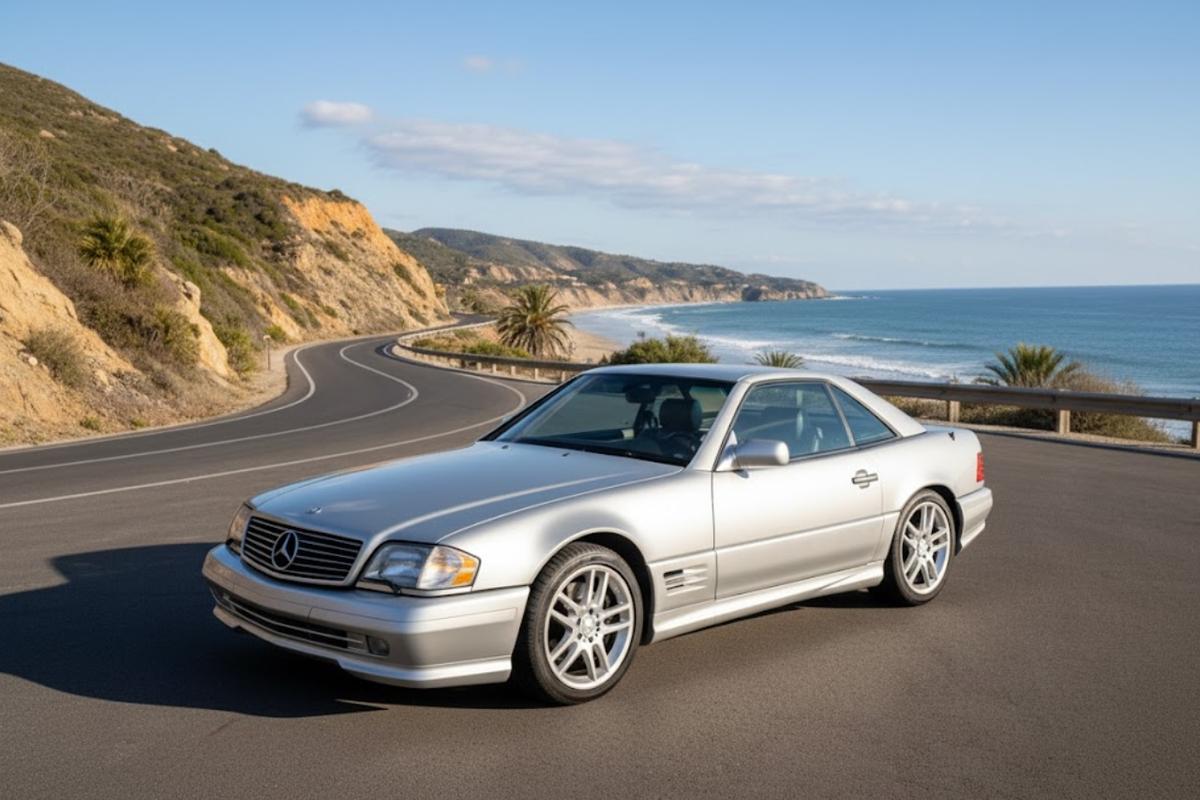
The Mercedes M113 5.0 V8 engine is a robust petrol V8 found in many Mercedes models, but owners in South Africa and beyond still face issues such as misfire, smoke, and excessive oil use. This guide explains common causes, diagnostic steps, repair options, and affordable sourcing of replacement engines, gearboxes, and stripped spares so you can keep your vehicle roadworthy.
Blue smoke during start-up often points to valve stem seal issues, while persistent blue smoke under load suggests piston ring wear. White smoke accompanied by overheating or coolant loss requires urgent attention to avoid catastrophic damage.

What causes misfire, smoke, or oil use on the Mercedes M113 5.0 V8 engine?
Misfire, smoke, and oil consumption on the Mercedes M113 5.0 V8 engine commonly stem from several overlapping systems: ignition, fuel delivery, mechanical wear, and crankcase ventilation. Ignition coil or spark plug failures can trigger misfire. Worn valve stem seals, piston rings or PCV (positive crankcase ventilation) faults often cause oil-burning and blue smoke. Head gasket failure or cracked heads can lead to white smoke or coolant loss. Dirty injectors or fuel system faults cause black smoke and poor running. Diagnosing the root cause requires looking at symptoms together: smoke colour, misfire patterns, oil-level behaviour, and any coolant loss. According to Wikipedia, the M113 engine family was produced from 1998 to 2007, so many examples on South African roads are mature and more likely to show wear-related symptoms.How do you diagnose a misfire on the M113 5.0 V8 engine?
Start with basic scans and visual checks. A misfire often throws fault codes (P0300–P0308). Use an OBD2 scanner to identify cylinder-specific misfires, then inspect:- Ignition coils and spark plugs for cracks, corrosion, or carbon tracking.
- Fuel injectors for spray pattern and leakage.
- Compression and leak-down tests to rule out mechanical issues like worn rings or valves.
What does blue, white, or black smoke mean on the Mercedes M113 5.0 V8 engine?
Smoke colour is one of the easiest diagnostics:| Smoke Colour | Likely Cause |
|---|---|
| Blue | Oil burning — worn valve seals, piston rings, or PCV faults |
| White | Coolant burning — head gasket, cracked head/block |
| Black | Rich fuel mixture — faulty injectors, MAF issue, fuel pressure regulator |
How much oil consumption is normal for the M113 5.0 V8 engine, and when is it excessive?
Some oil consumption is normal for older V8s, but excessive use indicates a fault. A general yardstick for many petrol V8s is up to 1 litre per 1,000–1,500 km being acceptable on high-mileage engines; more than that should prompt investigation. Excessive consumption may be caused by worn piston rings, leaking valve stem seals, or failed turbo seals where applicable on other variants. Regularly check oil level and document usage. In South Africa, where long-distance travel and hot climates stress engines, preventive maintenance is crucial. According to industry reports, demand for second-hand and rebuilt engines in South Africa rose significantly after 2018 as owners sought cost-effective repairs amid rising petrol prices.Which mechanical failures on the M113 5.0 V8 most commonly lead to misfire or oil use?
Common mechanical causes include:- Worn piston rings — lower compression and oil blow-by.
- Valve stem seal deterioration — oil leaking into combustion chambers, especially at idle/start.
- PCV system failure — causes pressure build-up and forces oil past rings/seals.
- Head gasket or cracked head — white smoke and coolant loss.
How do ignition and fuel systems contribute to misfire on the Mercedes M113 5.0 V8 engine?
Ignition coils and spark plugs are frequent culprits. The M113 uses individual coils for each cylinder; a failing coil produces cylinder-specific misfire codes. Fuel injectors can clog or leak: clogged injectors starve a cylinder and cause misfire or rough idle, while leaking injectors can cause black smoke and rich running. Maintenance steps include swapping coils to isolate faults, cleaning or flow-testing injectors, checking fuel pressure, and verifying MAF and oxygen sensor function. In South Africa's harsh environments, moisture and corrosion can accelerate electrical connector deterioration — keep connections clean and corrosion-free.Is repair or replacement the best option — and what are cost-effective solutions in South Africa?
Deciding between repair and replacement depends on extent of damage, availability of parts, and budget. For high-mileage M113 5.0 V8 engines with severe wear, a rebuilt or quality second-hand engine often offers the best value. Sourcing a tested, affordable imported engine or local rebuild can reduce downtime and costs. Options available through the South African market include:- Second-hand engines — cheaper but inspect for history and testing.
- Rebuilt engines — more expensive but often come with warranty and quality checks.
- Stripped spares — sourcing heads, blocks or ancillaries for in-shop rebuilds.
Where can I source affordable engines, gearboxes, and stripped spares in South Africa?
South Africa has a robust market for used and rebuilt engines, Japanese and German imported engines, and stripped spares. Use reputable suppliers offering nationwide delivery and warranty support. We recommend checking specialist engine import pages and used parts inventories to compare options. Helpful resources include vendor pages for imported or used units and spare-order forms for custom sourcing. For example, explore engine import options on this engine imports page or look through used car parts listings to find compatible M113 components. If you need a specific unit or a quote for nationwide delivery, complete a spare request form or contact customer support to get personalised help. Internal links for sourcing and enquiries:- Imported engines & reconditioned units
- Used car parts and stripped spares
- Spare request / quote form
- Contact a parts specialist
What are recommended steps for a DIY diagnosis and temporary fixes?
If you’re mechanic-savvy and working in a home or small workshop in South Africa, start with the basics:- Scan for OBD2 codes and record them.
- Inspect spark plugs and coils — swap to test.
- Perform compression and leak-down tests.
- Check PCV valve and replace if clogged or broken.
- Replace valve stem seals or spark plugs as interim solutions if oil-burning is minor.
What should independent mechanics and small workshops in South Africa know about supplying M113 parts to customers?
Independent auto repair businesses and spares suppliers should stock high-turn items like ignition coils, spark plugs, valve stem seals, PCV kits, and commonly failed sensors. Bulk purchasing of tested second-hand engines or rebuilt units can support fast turnaround for client vehicles, which is crucial in a market where affordability and speed matter. Offering warranty-backed replacement engines and clear pre-sale testing reports builds trust. Many workshops partner with national suppliers to access Japanese and German stripped spares quickly, leveraging nationwide delivery to keep repair times short.How can you prevent misfire, smoke, or oil use on the Mercedes M113 5.0 V8 engine long-term?
Preventive maintenance is the best defence. Regular oil and filter changes with quality oil, timely spark plug and coil checks, PCV system inspections, and periodic compression checks on high-mileage engines will extend service life. Avoid long oil-change intervals, especially in hot South African climates where oil degrades faster. Create a maintenance schedule tailored to usage: heavier towing or frequent short trips require more frequent servicing. Where appropriate, consider using higher-spec synthetic oils to reduce consumption and protect valve seals.