Quantum Engine Guide: Prices, Reliability & Buying Tips in South Africa
Drikus · 9/22/2025 · 13 min read
If you're searching for a quantum engine for your vehicle in South Africa, this guide answers the practical questions owners and small repair shops ask most: prices, reliability, sourcing, installation and how to avoid common pitfalls.
What is a quantum engine and how does it differ from other replacement engines?
The term quantum engine in South Africa is often used by suppliers and mechanics as a model or marketing label for a particular type of replacement engine or crate motor, rather than to indicate a novel physics-driven power unit. In everyday auto spares trade a quantum engine will typically refer to a fully assembled replacement engine — new, rebuilt or imported used — ready to drop into place in a vehicle’s engine bay.
Mechanically, a quantum engine behaves like any internal combustion replacement engine: it includes the block, crank, camshaft(s) and commonly connected ancillary parts. For technical background on engines in general see the Wikipedia entry for engines: https://en.wikipedia.org/wiki/Engine.
How much does a quantum engine cost in South Africa?
Prices for a quantum engine in South Africa vary widely depending on whether you buy new, rebuilt, imported second-hand (stripped spares), or a budget local unit. Below is a typical price band to help you budget; these are market ranges and will vary by make, model and condition.
Type
Typical South Africa price (ZAR)
Notes
Brand-new crate quantum engine
R40,000 – R150,000+
Best warranty, highest cost
Rebuilt/remanufactured quantum engine
R20,000 – R80,000
Balance of cost and reliability
Imported used/stripped quantum engine
R10,000 – R50,000
Economical, variable history
Local second-hand
R6,000 – R35,000
Fastest turnaround, inconsistent testing
Factors that affect the price: engine displacement, petrol vs diesel, kilometres on the clock, included ancillaries (turbo, injectors), and whether the supplier provides a warranty or fitment service. According to the National Association of Automobile Manufacturers of South Africa (NAAMSA), South Africa sources a substantial portion of replacement engines and parts from Japan and Europe, which influences import pricing.
Are quantum engines reliable — what should I check before buying?
Reliability depends on provenance and testing. A well-documented rebuilt quantum engine with component-level inspection will usually outlive a cheap imported used unit that hasn't been pressure- or compression-tested. Key checks before purchase include compression test reports, oil analysis, torque specs documentation, and an itemised list of replaced wear parts.
For petrol vs diesel decisions, diesel quantum engines generally have longer service lives if well maintained, but they require correct injectors and turbo health checks. If a supplier provides test videos or a printed report, insist on seeing them. Workshops and small auto repair businesses across South Africa increasingly demand quality-tested spares to keep vehicles roadworthy.
Should I buy a rebuilt quantum engine or a second-hand imported unit?
Rebuilt (remanufactured) quantum engines are a middle ground: worn parts are replaced or machined and the assembly is typically tested to factory tolerances. Imported second-hand units are cheaper but can have hidden wear, unknown service history, or missing ancillaries. The right choice depends on budget, downtime tolerance and whether you can verify the supplier’s testing process.
Rebuilt advantages: warranty, inspected components, predictable life span.
Imported used advantages: lower upfront cost, wider availability of Japanese and German engines.
When to choose local second-hand: urgent need and limited funds, acceptance of higher risk.
If you run a small workshop or supply chain for bakkie and 4x4 spares, rebuilt engines can offer better customer satisfaction and fewer warranty claims.
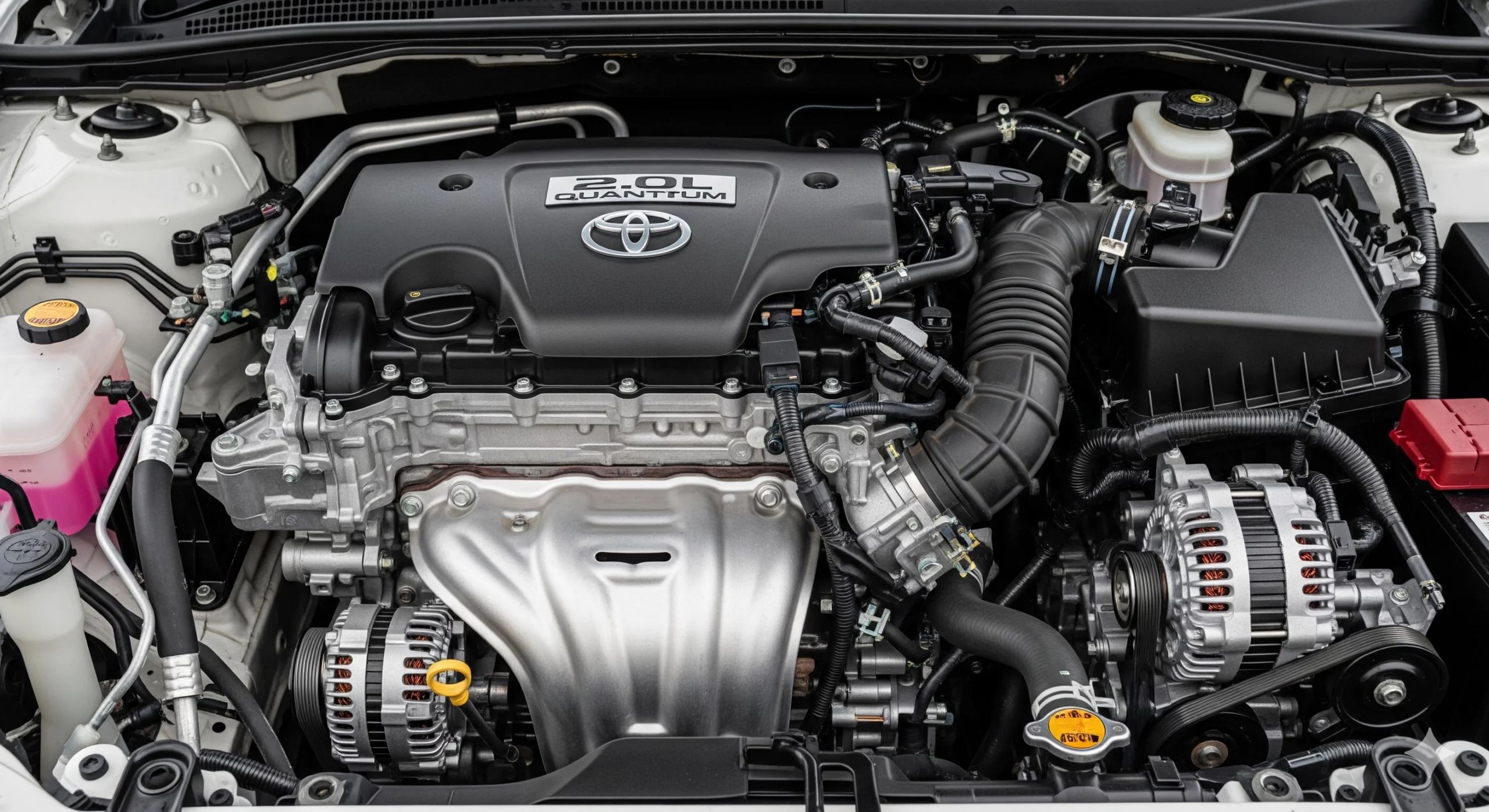
[caption id="attachment_8576" align="aligncenter" width="2560"] quantum engine[/caption]
How do I verify a quantum engine seller in South Africa?
Verify sellers by checking the following: trading history, customer reviews, whether they offer nationwide delivery, and whether they supply test documentation. Reputable sellers often specialise in imported Japanese engines, German engines, or have workshops for rebuilds. Request proof of inventory origin — bill of lading for imports or dismantling records for local stripped spares.
Useful steps:
Ask for a written invoice with VIN or engine serial numbers.
Request compression/leakdown tests and oil analysis reports.
Confirm warranty terms and exclusions in writing.
Online suppliers that service nationwide delivery help small mechanics and DIY owners keep turnaround times low. If you want to contact a known supplier's import division, see our engine imports page: engine imports.
What are common warranties and guarantees for a quantum engine?
Warranties vary: new engines usually come with 1–3 year warranties, rebuilt engines commonly include 90–180 day warranties, and used imported units sometimes carry only a short collection-window warranty or none at all. Check what the warranty covers — full engine failure, labour, or only core component replacement.
When comparing offers, create a simple warranty checklist table to compare coverage quickly:
Warranty Element
New
Rebuilt
Used/Imported
Duration
1–3 years
90–180 days
7–30 days or none
Labour included
Sometimes
Sporadic
Rare
Parts covered
Full
Major components
Often limited
How do importation and delivery affect cost and lead time for quantum engines?
Imported engines (Japanese engines, German engines) often provide cost advantages but factor in shipping, customs duties, and lead time. According to NAAMSA, international supply chains remain a key source of replacement engines for the South African market, especially for older or specific models. Expect lead times of 2–8 weeks depending on shipping method and paperwork. Nationwide delivery options improve accessibility for mechanics outside major metros.
For urgent needs, local used-car-parts suppliers can offer immediate pickup. If you’d like to check local used parts inventory, visit used car parts.
What are the installation and fitting considerations for a quantum engine?
Installation requires correct engine mounts, matching gearbox/drivetrain compatibility, ECU/engine management reprogramming where necessary, and proper coolant and oil lines. If the quantum engine is a different variant (e.g., turbo vs naturally aspirated) additional modifications may be required.
Common fitting checklist:
Confirm gearbox spline and bellhousing bolt pattern match.
Verify engine mounts and transmission mounts.
Prepare ECU reflashing or immobiliser reprogramming if needed.
Use new ancillary components where practical: hoses, belts, water pump, thermostat.
If you need parts for installation, new parts and spares are available via suppliers; see our new car parts collection here: new car parts.
How do I decide between Japanese engines, German engines or local stripped spares?
Japanese engines are popular for reliability and availability of stripped spares, German engines are valued for performance cars and upscale models, while local stripped spares are often the fastest economical option for older cars. Decide based on the vehicle’s origin, parts availability and the buyer’s maintenance capability.
For workshops and owners keeping fleets or servicing bakkies and 4x4s, bulk supply relationships with importers reduce cost per unit and ensure a steady flow of engines and gearboxes. According to industry reports, rising petrol prices have increased demand for stripped spares as cost-effective repair solutions.
How can small repair shops source reliable quantum engines and support their customers?
Small workshops benefit from suppliers who offer tested units, nationwide delivery and trade terms. Establishing a relationship with an engine importer or a local dismantler secures access to Japanese and German stripped spares. Offering customers options — rebuilt, imported used, or local — with transparent pros/cons builds trust and reduces post-fitment disputes.
Practical tips:
Keep an inventory list of commonly required engines for bakkie and 4x4 spares.
Negotiate bulk pricing or rapid delivery agreements for mechanics’ emergencies.
Use supplier spare-form contacts to pre-order engines and ancillaries: spare form.
What are common pitfalls when buying a quantum engine and how can I avoid them?
Common pitfalls include accepting an engine without test documentation, failing to check compatibility with the vehicle's gearbox and electronics, and overlooking shipping and customs costs for imports. Avoid these by requesting serial numbers, investing in pre-purchase tests, and confirming fitment details in writing. If a deal sounds too good, inspect the engine in person or arrange an independent mechanic to verify it.
Finally, ensure clear communication about returns and refusal policies if the engine arrives damaged or incompatible. For direct contact with suppliers or to get a quote, use the contact page: contact us.
How can I budget for total replacement cost including labour, parts and downtime?
To budget accurately, add these line items to your estimate: cost of the quantum engine, ancillaries (hoses, belts, water pump), labour hours, ECU programming, alignment and fluids. For a professional fit, labour can range from a half-day for a simple swap to several days for complex engine-electronics integration. Create a contingency buffer of 10–20% for unexpected parts or additional machining.
Example budget breakdown (illustrative):
Engine (rebuilt): R35,000
Ancillaries & seals: R3,500
Labour: R2,500–R8,000
Shipping/customs (if imported): R2,000–R7,000
Contingency: R4,000
According to the International Energy Agency (IEA), higher fuel prices are encouraging consumers to prioritise cost-effective repairs and longer-lived engine options, which can influence the decision between rebuilt and cheaper used imports. Also, according to industry observers, demand for stripped spares has increased as motorists look for affordable ways to keep vehicles roadworthy.
Where can I learn more, get a quote or order a quantum engine?
For tailored quotes, vehicle-specific fitment checks and inventory inquiries, contact specialised engine importers and parts suppliers who handle both new and used-car-parts inventories. Many suppliers offer nationwide delivery and support for small mechanics and fleet operators. Visit the Diversity Spares shop page or vehicle listings to explore available units and request quotes directly: shop and vehicles.
Final checklist before you buy: confirm engine serial numbers, request test documentation, understand warranty coverage, check fitment compatibility, and budget for labour and incidentals. With those steps you’ll maximise the value of your quantum engine purchase in South Africa.
Quantum Engine FAQs
What is a quantum engine?In South Africa, a quantum engine usually refers to a fully assembled replacement or crate engine—new, rebuilt, or imported—ready to install in a vehicle. It's not related to quantum physics but is a trade term used in auto spares.
How much does a quantum engine cost in South Africa?Prices range from R6,000 for local second-hand units to R150,000+ for brand-new crate engines. Rebuilt units typically cost R20,000–R80,000 depending on warranty and parts replaced.
Are quantum engines reliable?Yes—if sourced from a reputable supplier and backed by test results like compression and leak-down reports. Rebuilt units with tested components offer higher reliability than unknown imported spares.
Should I buy a rebuilt or imported used quantum engine?Rebuilt engines offer better reliability and warranties. Imported used units are cheaper but come with unknown history and higher risk. Choose based on your budget and downtime tolerance.
How do I verify a quantum engine seller in South Africa?Check reviews, warranty terms, delivery options, and ask for documentation such as compression tests, invoices with engine serials, and proof of origin (import/export papers or local dismantling records).
What kind of warranty should I expect?New engines: 1–3 years. Rebuilt: 90–180 days. Used imports: 7–30 days or no warranty. Always confirm what’s covered—parts only, or parts and labour.
How do imports affect cost and delivery time?Imports include shipping, duties, and clearance fees. Expect lead times of 2–8 weeks. Local suppliers offering nationwide delivery help reduce wait times for urgent replacements.
What should I check before installation?Check gearbox compatibility, mounts, ECU/immobiliser programming, coolant/oil lines, and replace wear parts like belts and hoses. Some swaps require turbo conversions or reprogramming.
How do Japanese, German, and local stripped engines compare?Japanese engines are reliable and well-supported. German engines suit premium models. Local stripped spares are faster and cheaper, but may lack full testing. Choose based on fitment and spares access.
How can small workshops source quantum engines affordably?Build trade relationships with importers or dismantlers, use supplier spare-forms, and negotiate bulk discounts for common bakkie and 4×4 engines. Always ask for test documentation.
What are common mistakes when buying a quantum engine?Not checking compatibility, skipping test reports, ignoring import duties, and buying without return policy. Always verify fitment and ask for written warranty coverage.
What is the full cost of replacing a quantum engine?Budget for engine (R6,000–R150,000), ancillaries (R3,500), labour (R2,500–R8,000), shipping/import costs (R2,000–R7,000), and a 10–20% contingency for unexpected parts or tuning.


 quantum engine[/caption]