
Engines and Gearboxes
Replacement Engines in South Africa: Why Engine Codes Matter
Johan Marneweck · 7/9/2026 · 5 min read
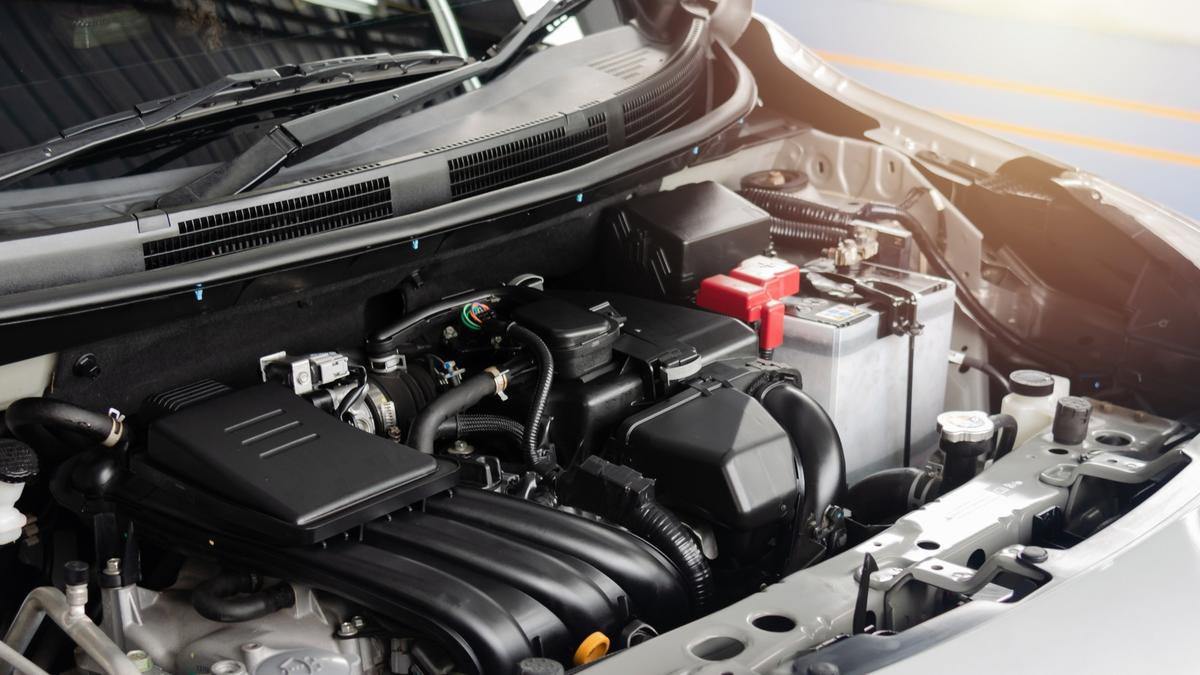
When sourcing replacement engines South Africa buyers often start with the vehicle make, model and engine size. Those details help, but they are not always enough to confirm the correct engine. The engine code is one of the most important details because it helps identify the exact engine version, fitment requirements and supporting parts needed for the vehicle.
LM Diversity Engines supplies replacement engine options for buyers who need the correct unit checked before ordering. Before requesting a quote, it is useful to understand why engine codes matter and how they help prevent fitment problems, incorrect orders and workshop delays.
1. What Is an Engine Code?
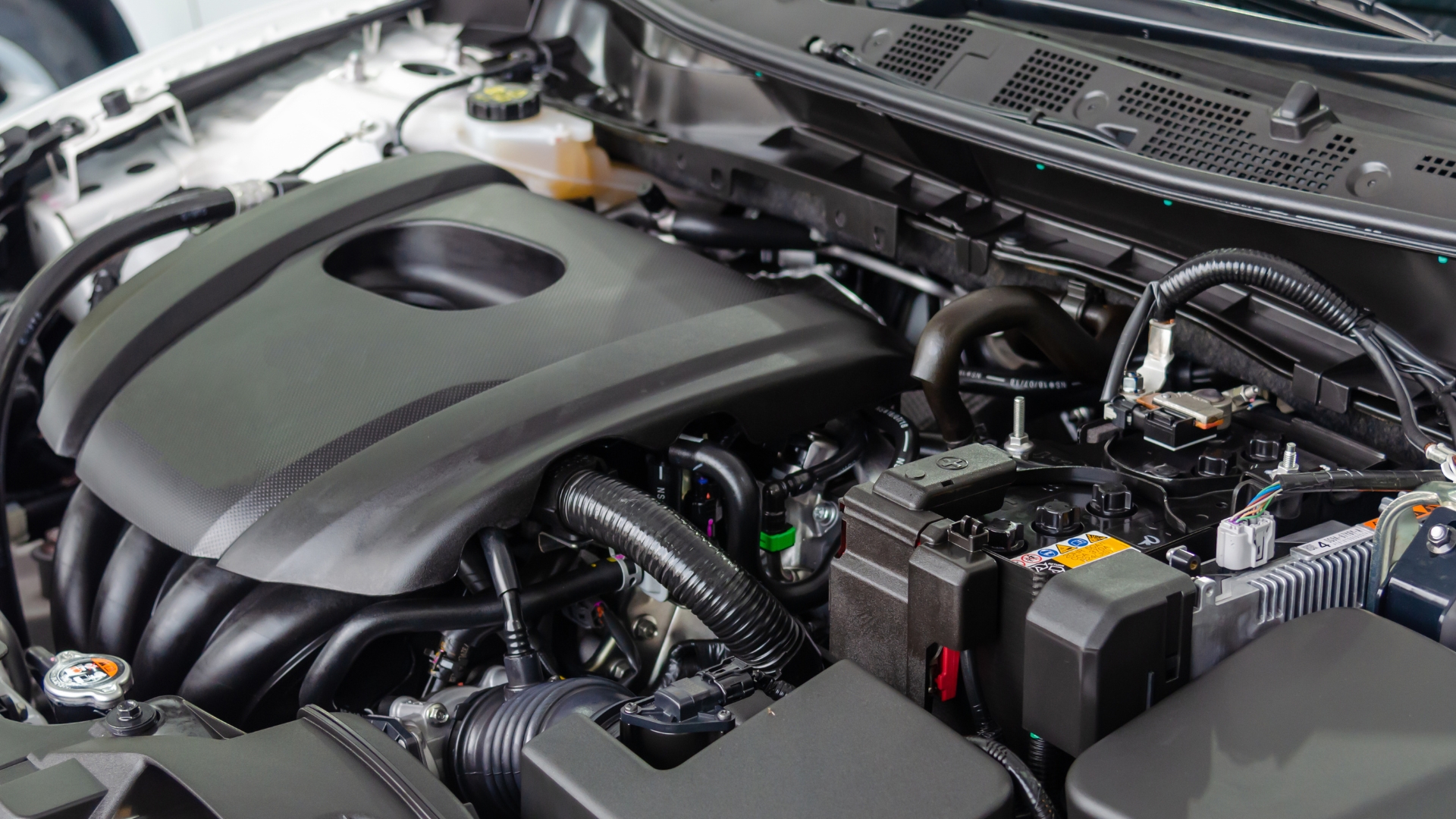
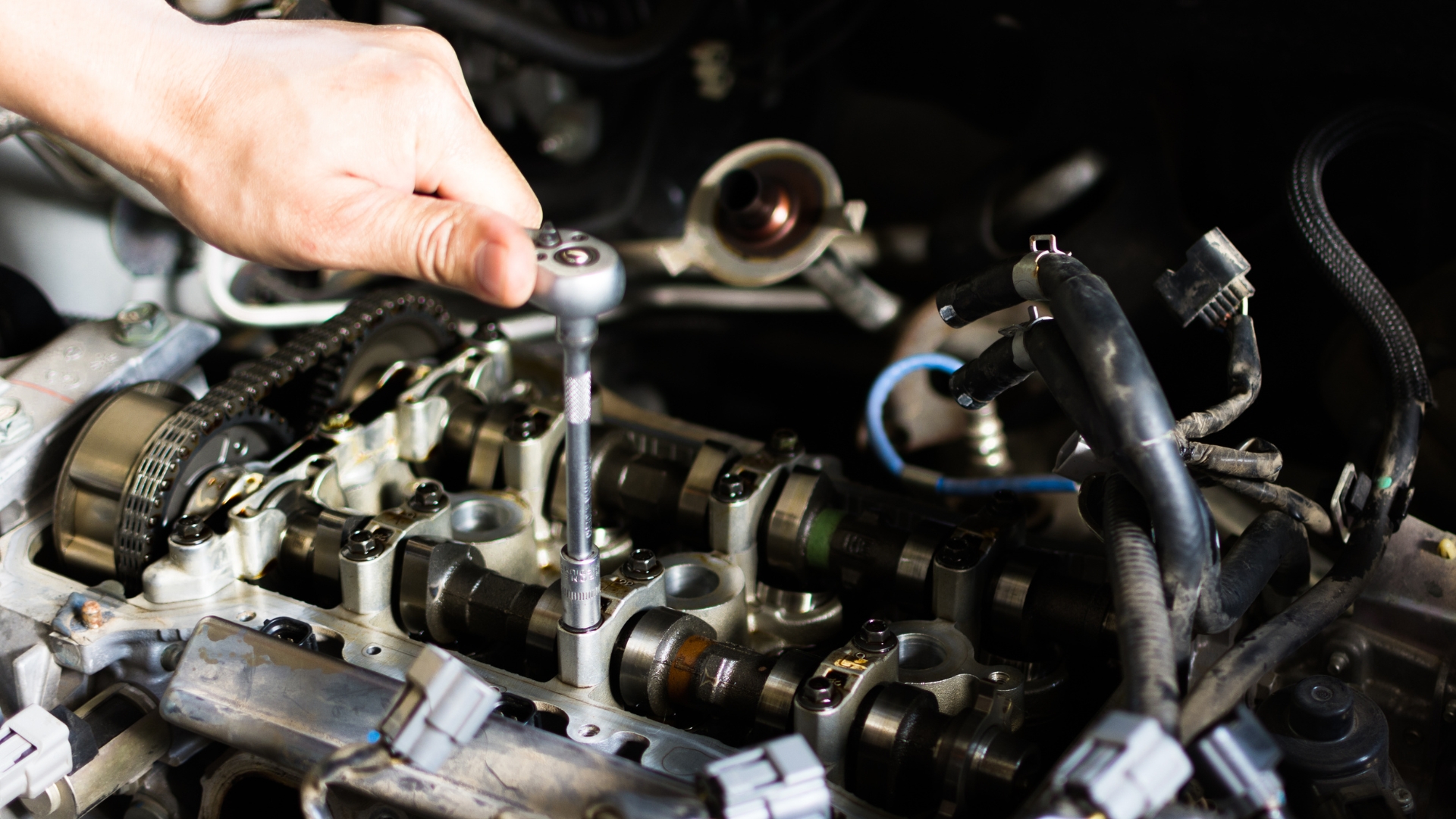
An engine code is a manufacturer reference used to identify a specific engine type or engine family. It can show which version of the engine was fitted to the vehicle and may help separate engines that look similar but have different technical requirements. For example, two vehicles may both have a 2.0 engine, but the engine codes can differ because of fuel type, turbo setup, sensors, emission equipment, ECU requirements, mounting points or transmission pairing. This is why a quote request should include the engine code wherever possible. Buyers can view available replacement options through the LM Diversity Engines category.2. Why Vehicle Model Alone Is Not Enough
A vehicle model can be sold with more than one engine option. The same model range may include petrol and diesel variants, manual and automatic versions, different power outputs, facelift changes and market-specific engine setups. Ordering a replacement engine based only on the model name can lead to fitment problems. The engine may bolt differently, use different sensors, connect to different wiring or require different supporting components. The engine code helps narrow the search to the correct unit before pricing and delivery are confirmed.3. Where to Find the Engine Code
The engine code may be found in several places, depending on the vehicle. It is often stamped on the engine block, listed in service records, shown on diagnostic reports or available from dealer records. Some buyers may also have the engine number or VIN available. If the code is difficult to find, clear photos can help. Send photos of the engine bay, engine block markings, vehicle licence information and any workshop documents. These details give the supplier more information to compare against available stock.
4. Engine Code vs Engine Number vs VIN
These details are related, but they are not the same. The engine code identifies the engine type or family. The engine number usually identifies the specific engine unit. The VIN identifies the vehicle itself and can help confirm the original vehicle specification.| Detail | What It Helps Confirm |
|---|---|
| Engine code | The engine type, version and likely fitment requirements. |
| Engine number | The specific engine unit currently fitted to the vehicle. |
| VIN | The vehicle specification, model year and original build details. |
| Vehicle model and year | The model range, generation and possible engine options. |
| Transmission type | Whether the engine must suit a manual or automatic setup. |
5. Similar Engines Can Have Different Fitment Requirements
Engines from the same brand can look almost identical but still require different parts or setup. Differences may include the intake manifold, exhaust manifold, turbocharger, injectors, sump, engine mounts, sensors, wiring plugs, ECU compatibility or gearbox pairing. This is common across many brands where one engine family has several versions. A replacement engine must be checked against the exact vehicle details before a quote is finalised. LM Diversity also supplies imported engine options. Buyers can read more on the engine imports page.6. Why the Gearbox Pairing Matters
The replacement engine must work with the vehicle’s gearbox. Manual and automatic vehicles can require different flywheels, torque converters, sensors, wiring, brackets or ECU settings. Even when the engine code is correct, the transmission pairing should still be checked. If the vehicle has had previous engine or gearbox work, tell the supplier before ordering. The vehicle may no longer match the original factory setup, and the replacement engine must suit what is currently fitted.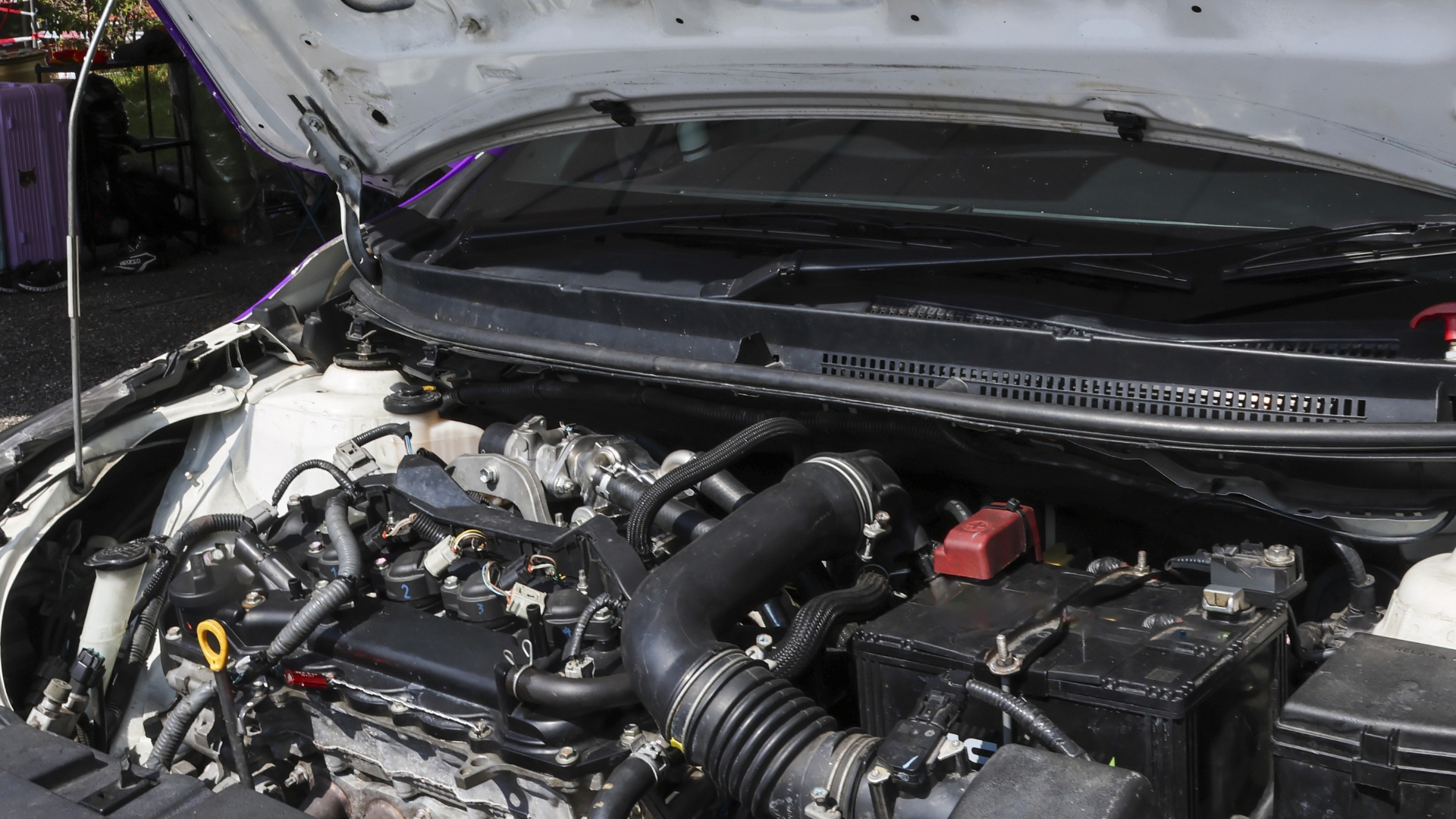
7. What LM Diversity Needs Before Quoting
The more accurate the information, the easier it is to check the correct replacement engine. A complete enquiry helps reduce back-and-forth and gives the supplier a better chance of matching the right unit from available stock.- Vehicle make and model
- Year model
- Engine size
- Petrol or diesel
- Engine code if available
- Engine number if available
- VIN where available
- Manual or automatic transmission
- Photos of the current engine where possible
- Delivery area or workshop location