
Engines and Gearboxes
Rocam Engine: Why It’s Popular in SA, Common Problems, and What to Check Before You Buy
Drikus · 2/28/2026 · 13 min read
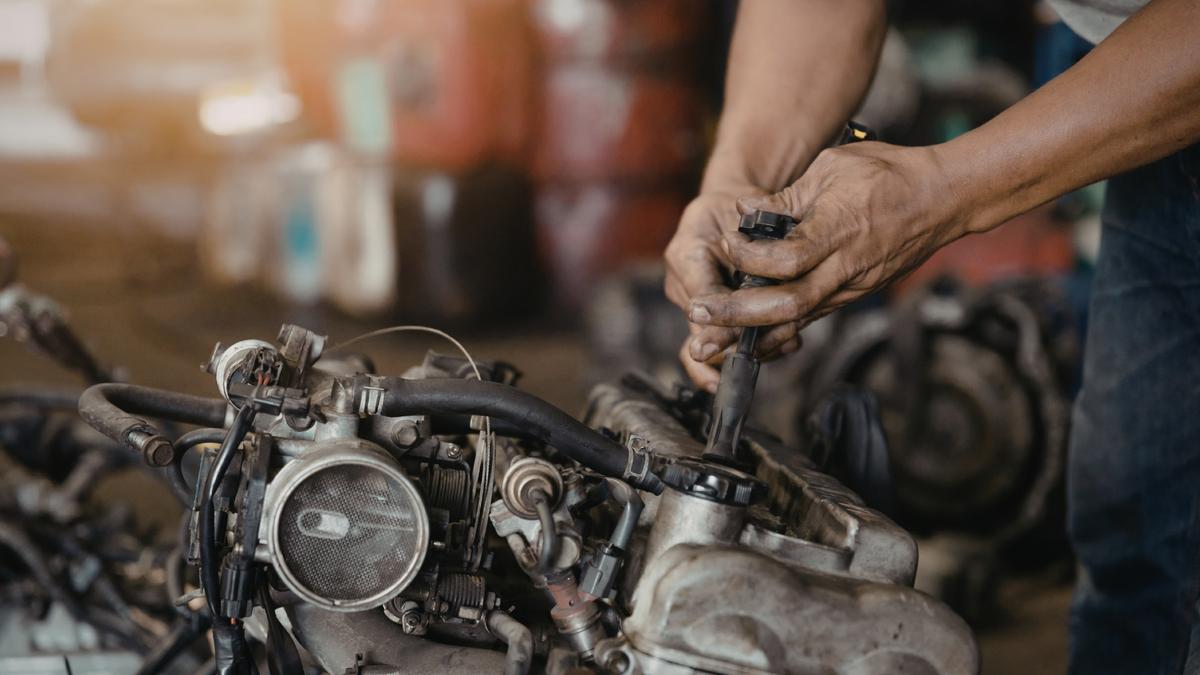
Rocam engine models are a frequent, cost-effective replacement option across South Africa — particularly for small cars, bakkies and budget repairs. This guide explains why the rocam engine is popular in SA, the common problems owners and mechanics encounter, and a practical checklist of what to inspect before you buy a used, rebuilt or imported unit.
Trade-offs matter: rocam engines are ideal where low purchase price and simple repairs are priorities; Japanese used engines are often chosen for long life and efficient parts channels (imported units are widely available). German engines may offer performance but can increase total cost of ownership due to specialised parts and labour.
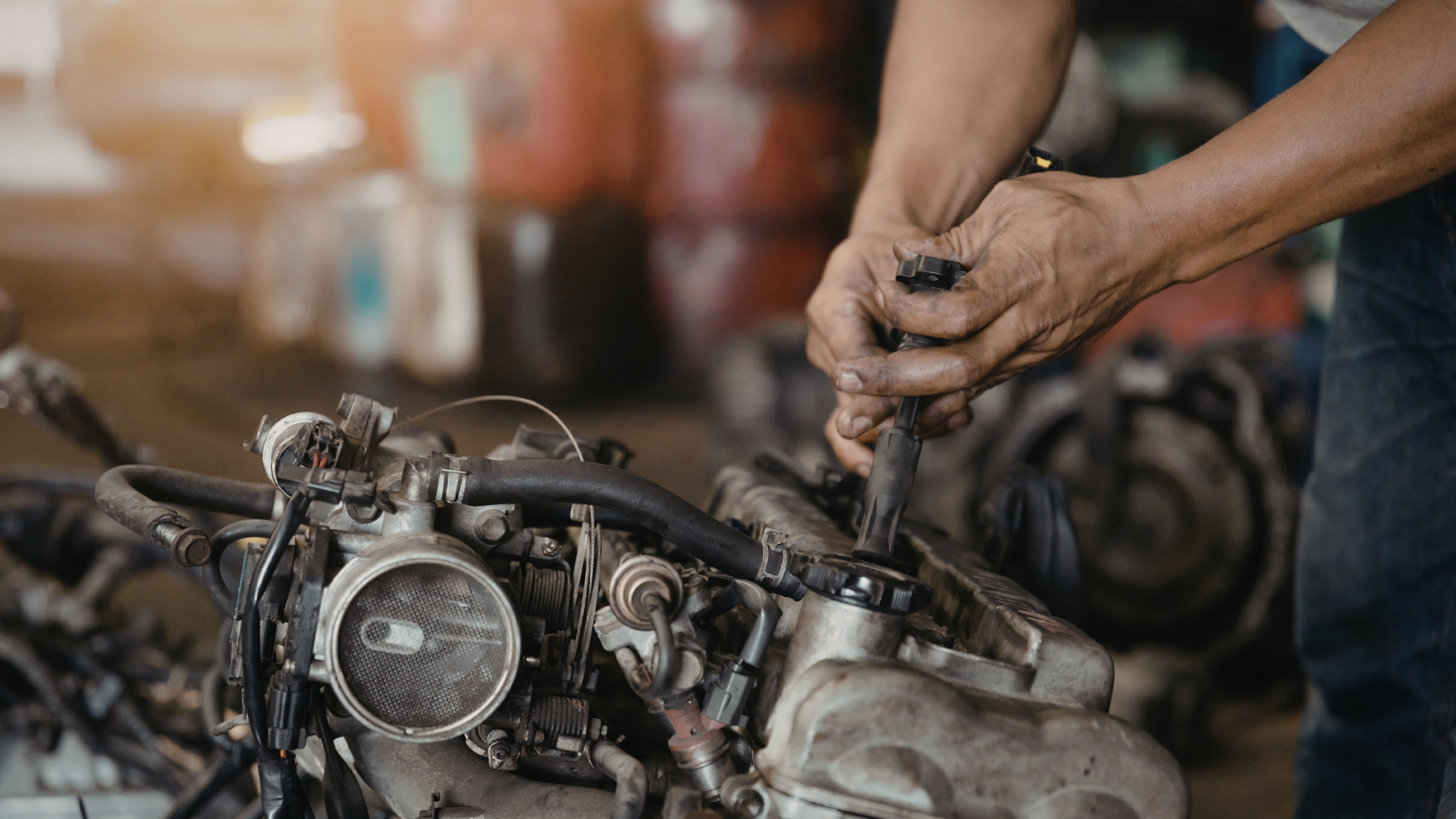
What is a rocam engine and how does it differ from other petrol engines?
The rocam engine is a family of simple, often single overhead camshaft petrol engines designed for reliability and low cost of ownership rather than peak performance. Initially developed for ease of manufacture and maintenance, the rocam design emphasises fewer moving parts and straightforward timing arrangements. Because of that simplicity, many independent workshops and scrappers in South Africa find the rocam engine easier to service and rebuild compared with more complex multi-valve or turbocharged units. Key technical characteristics include straightforward valve trains, usually an 8-valve layout on single-cam installations, conservative compression ratios, and compatibility with basic mechanical fuel systems or simple multi-point injection. For background on engine families and design trade-offs, see the Wikipedia entry on automobile engines: Automobile engine.Why the rocam engine is popular in South Africa?
The rocam engine is popular in South Africa because it hits the sweet spot for affordability, availability of stripped spares, and ease of repair. Mechanics servicing bakkies, small hatchbacks and 4x4s often prefer engines they can diagnose and fix quickly with local tools and parts. For small businesses and independent garages, that translates to lower labour time and faster turnaround. Practical reasons for popularity in SA include nationwide availability of second-hand units, a healthy market for stripped Japanese and German spares that complement rocam replacements, and the rising demand for cost-effective engines as fuel prices push owners toward economical repairs. According to the Automobile Association of South Africa, consumers increasingly prioritise cost-effective repairs to keep vehicles roadworthy rather than buying new cars. According to Statistics South Africa, the used-vehicle market remains a critical sector for mobility and employment in the automotive after-market.
What are the most common problems with rocam engines?
While robust in many contexts, rocam engines have some recurring faults you should know about before buying. The most common issues are wear-related and linked to age, maintenance history and operating conditions. Understanding these faults helps you negotiate better and decide whether to buy a second-hand, rebuilt, or imported unit.- Oil consumption and leaks — worn valve guides or seals and degraded gaskets.
- Timing chain/tensioner wear — stretched chains or failing tensioners that cause noisy running or timing issues.
- Head gasket failures — especially when engines have overheated or suffered coolant neglect.
- Carbon build-up and poor running — due to inconsistent fuel quality or infrequent servicing.
- Sensors and ancillaries — throttle position sensors, idle control valves and injectors on older EFI variants.
How to inspect a used or imported rocam engine before you buy?
Buying a used or imported rocam engine in South Africa can save a lot, but it also carries risk. Use this multi-point inspection to reduce surprises. Always request documented service history, where available, and ask the supplier whether the engine was run or tested before shipping.- Visual check: look for cracks, corrosion, and heavy oil or coolant leakage.
- Compression test: consistent readings across cylinders indicate healthy rings and valves.
- Crankcase inspection: metal shavings in the oil indicate internal wear or bearing failure.
- Head and gasket check: signs of past overheating, warped surfaces or burnt gaskets suggest costly repairs.
- Accessory condition: confirm condition of alternator, starter, mounts and sensors.
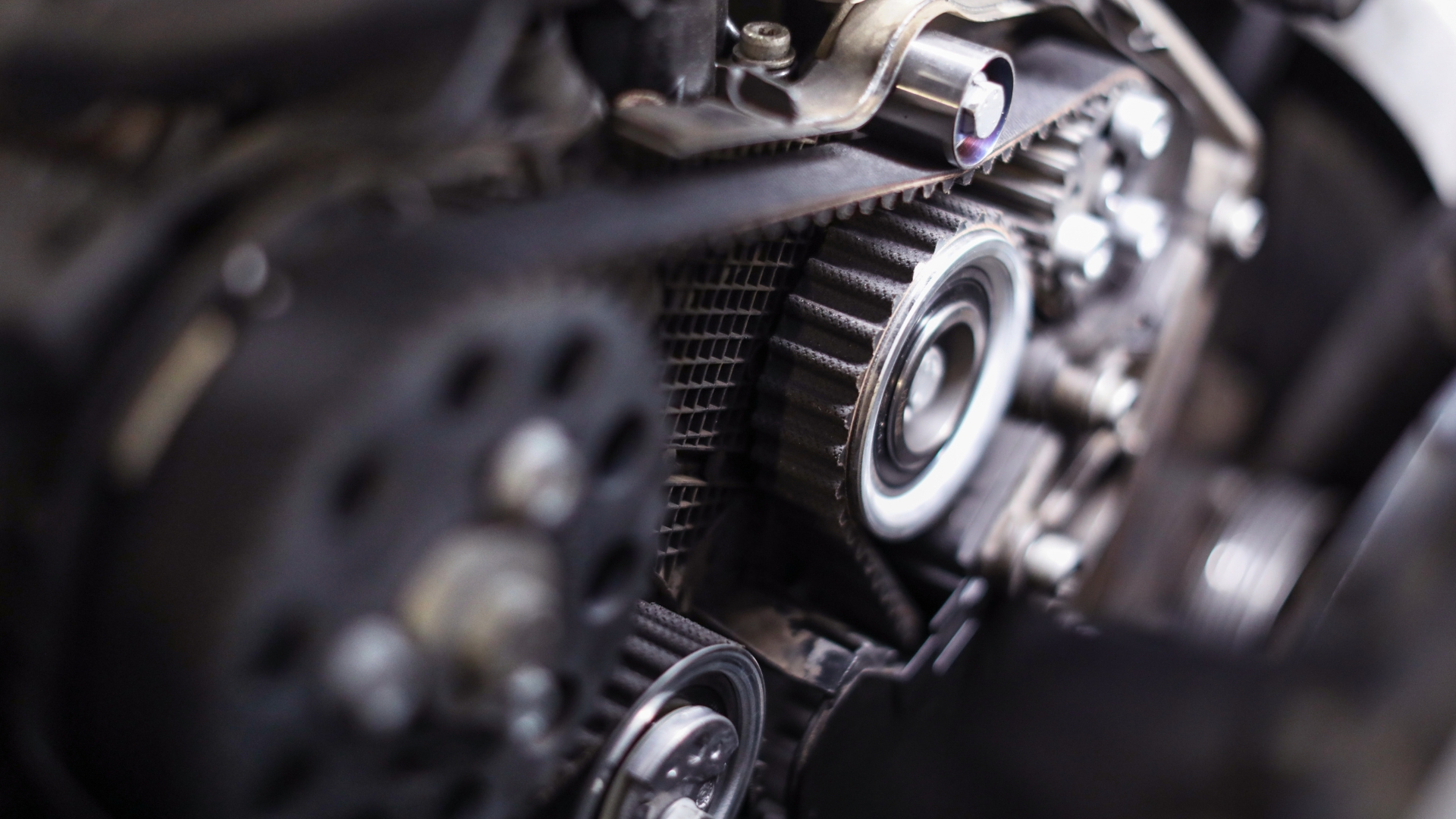
- Timing components: inspect chain or belt and tensioners for wear or slack.
Are rocam engines suitable for bakkies and 4x4s?
Yes — in many South African use-cases, rocam engines are suitable for light bakkies and modest 4x4 conversions where owners prioritise reliability and fuel economy over high torque and towing capacity. Their light weight and simple cooling and fuel systems make them easy to install and maintain in small work trucks and commuter 4x4s. That suitability depends on the expected application. For heavy towing, off-road competition, or high-load commercial use, consider higher-displacement or diesel alternatives. For general light-duty fleet work, daily commuter driving, and rural economies where access to spares is crucial, rocam engines represent a practical choice. Many supply houses in South Africa stock compatible mounts and ancillaries for popular bakkie models, and nationwide delivery options make sourcing straightforward for rural mechanics and small businesses.How do rocam engines compare to Japanese and German used engines?
When evaluating rocam engines versus popular Japanese and German used engines, consider cost, parts availability, complexity and long-term reliability. Japanese engines (e.g., older Toyota or Nissan units) often carry strong reputations for longevity and resale value, while German engines can offer advanced engineering but sometimes at higher parts and repair costs.| Feature | Rocam Engine | Japanese Used Engines | German Used Engines |
|---|---|---|---|
| Cost | Lower | Moderate | Higher |
| Complexity | Simple | Moderate | High |
| Parts availability in SA | Good locally for spares | Excellent (many imports) | Good but pricier |
| Repair cost | Low | Moderate | High |
Can I get replacement parts and stripped spares for rocam engines in South Africa?
Yes. South Africa has an active market for stripped spares, rebuilt engines and imported units that support rocam engine repairs. Salvage yards, dismantlers and specialist engine suppliers stock gaskets, heads, ancillaries and used gearboxes compatible with rocam swaps. If you need components or complete engines, check reputable suppliers who offer nationwide delivery and tested parts. Local businesses often combine Japanese and German stripped spares with domestic rocam units to provide cost-effective repair packages. For suppliers and brand options, review engine brand lines and import options available from specialist engine distributors. See resources for brands and imports on supplier pages such as our engine brands and engine imports sections for parts and units suited to different budgets and lead times: According to industry sellers in South Africa, demand for stripped spares has risen as fuel pressures push motorists toward repairs rather than replacement vehicles.
Should I buy a rebuilt, imported, or second-hand rocam engine?
Choosing between rebuilt, imported, or second-hand rocam engines depends on budget, expected lifespan and warranty needs. Each option has pros and cons:- Second-hand (local): Cheapest upfront, variable history, limited or no warranty.
- Imported (tested): Often better-documented mileage and condition, shipping costs apply, useful when local supply is limited.
- Rebuilt/Remanufactured: Higher upfront cost but usually includes warranties and replaced wear items, best for peace of mind.
What gearbox and drivetrain checks should accompany a rocam engine swap?
Swapping a rocam engine often requires matching gearbox and drivetrain components. Don’t overlook gearbox condition, bellhousing compatibility, clutch and differential health when budgeting for a swap. A bad gearbox can ruin a new engine in short order.- Clutch wear and release bearing condition — replace if uncertain.
- Input shaft splines and pilot bearing — check for scoring or play.
- Bellhousing alignment and mountings — ensure engine/gearbox alignment to avoid vibration.
- Gearbox oil check and service — old oil hides wear and contamination.
- Driveshaft and CV joints — inspect for play and torn boots.
How much does a rocam engine replacement cost in South Africa?
Costs vary widely by condition, warranty, and whether you choose local, rebuilt, or imported units. Typical ranges (indicative only) are useful for budgeting:- Second-hand local engine (core condition): low to moderate — most affordable upfront.
- Imported tested engine: moderate — includes shipping and import handling.
- Rebuilt/remanufactured engine: moderate to higher — includes labour-included warranty options.
How should you maintain a rocam engine to avoid the common failures?
Good maintenance extends the life of a rocam engine and delays common faults. Basic but regular servicing is the most cost-effective strategy:- Regular oil and filter changes with the correct grade oil to limit wear and sludge.
- Timely coolant changes and heater/core maintenance to avoid overheating and head gasket failure.
- Periodic valve-clearance checks (if applicable) and timing chain inspections.
- Use quality replacement gaskets, seals and recommended coolant and lubricants.
- Promptly replace failing sensors or ancillaries to prevent running conditions that cause long-term damage.
Where can I get trustworthy help and parts in South Africa?
Find suppliers and workshops with solid reputations, documented warranties and nationwide delivery. Look for businesses that specialise in engines, gearboxes and stripped spares for older vehicles and bakkies, and that can supply tested engines and parts quickly to mechanics and small repair shops. Useful steps when choosing a supplier:- Check for reviews and verifiable customer feedback.
- Ask about pre-sale testing and return/warranty policies.
- Confirm the supplier can provide nationwide delivery and post-sale technical support.
Final checklist before you buy a rocam engine
Use this concise checklist to make your final decision and negotiate a fair price:- Confirm the engine serial and compatibility with your vehicle model.
- Request running videos and compression test records.
- Inspect for obvious external damage, coolant/oil leaks and corrosion.
- Verify what ancillaries are included (alternator, starter, ECU, wiring harness).
- Ask about any warranty, returns and whether the engine is tested after installation.
- Include expected labour and ancillary parts in your budget (clutch, mounts, hoses).