
The Cult of the Golf 6 GTI Engine: Why Enthusiasts Still Swear by It
The Golf 6 GTI engine has earned a near-mythical status among hot hatch fans, tuners, and DIY mechanics across the globe. While newer generations of the GTI continue to evolve, the Mk6’s EA888 Gen 2 motor remains a favorite for its raw potential, tunability, and unforgettable driving experience. In this Q&A article, we unpack what makes this engine so revered and why it continues to attract a loyal cult following more than a decade after its release.
What makes the Golf 6 GTI engine a cult classic among VW fans?
At its core, the Golf 6 GTI engine delivers a rare combination of character, power, and accessibility. Producing around 155 kW (208 hp) in stock form, the turbocharged 2.0L EA888 Gen 2 offers torque-rich power delivery that feels responsive in daily driving and thrilling when pushed hard. What really makes it stand out is how approachable it is—both in terms of ownership and modification. It's the kind of engine that invites enthusiasts to tinker, tune, and test limits, all while offering reliability when maintained correctly. This balance is what elevated it to cult status.
How does the Golf 6 GTI engine compare to newer GTI engines?
Though newer versions like the Golf 7 and 8 GTIs use refined iterations of the EA888, many purists still prefer the slightly rawer feel of the Golf 6 GTI engine. Here's a quick side-by-side comparison:
| Feature | Golf 6 GTI (EA888 Gen 2) | Golf 7 GTI (EA888 Gen 3) | Golf 8 GTI (EA888 Gen 4) |
|---|---|---|---|
| Displacement | 2.0L | 2.0L | 2.0L |
| Turbo Lag | Noticeable but manageable | Minimal | Nearly eliminated |
| Tuning Flexibility | Very high | Moderate | Restricted (ECU-locked) |
| Engine Character | Engaging & mechanical | Smooth & refined | Efficient & digital |
The Golf 6 GTI engine strikes a desirable middle ground—more modern and powerful than the Mk5, yet more mechanical and mod-friendly than the tightly controlled Mk7 and Mk8 platforms.
Why do tuners still gravitate toward the Golf 6 GTI engine?
Tuners love the Golf 6 GTI engine for one main reason: potential. With simple bolt-ons and a Stage 1 ECU remap, owners can unlock up to 190–200 kW without opening the engine. Go Stage 2 or 3, and this number climbs significantly. The platform supports upgrades like:
-
High-flow downpipes
-
Larger intercoolers
-
Cold air intakes
-
K04 turbo conversions
-
Custom ECU tunes
The result is a hot hatch that can outperform newer models at a fraction of the cost. It’s no surprise many in the VW tuning community view this engine as the “golden era” of GTI modification. If you're sourcing performance parts, the Diversity Spares shop offers plenty of options to get you started.
What are the common problems Golf 6 GTI engine fans are willing to overlook?
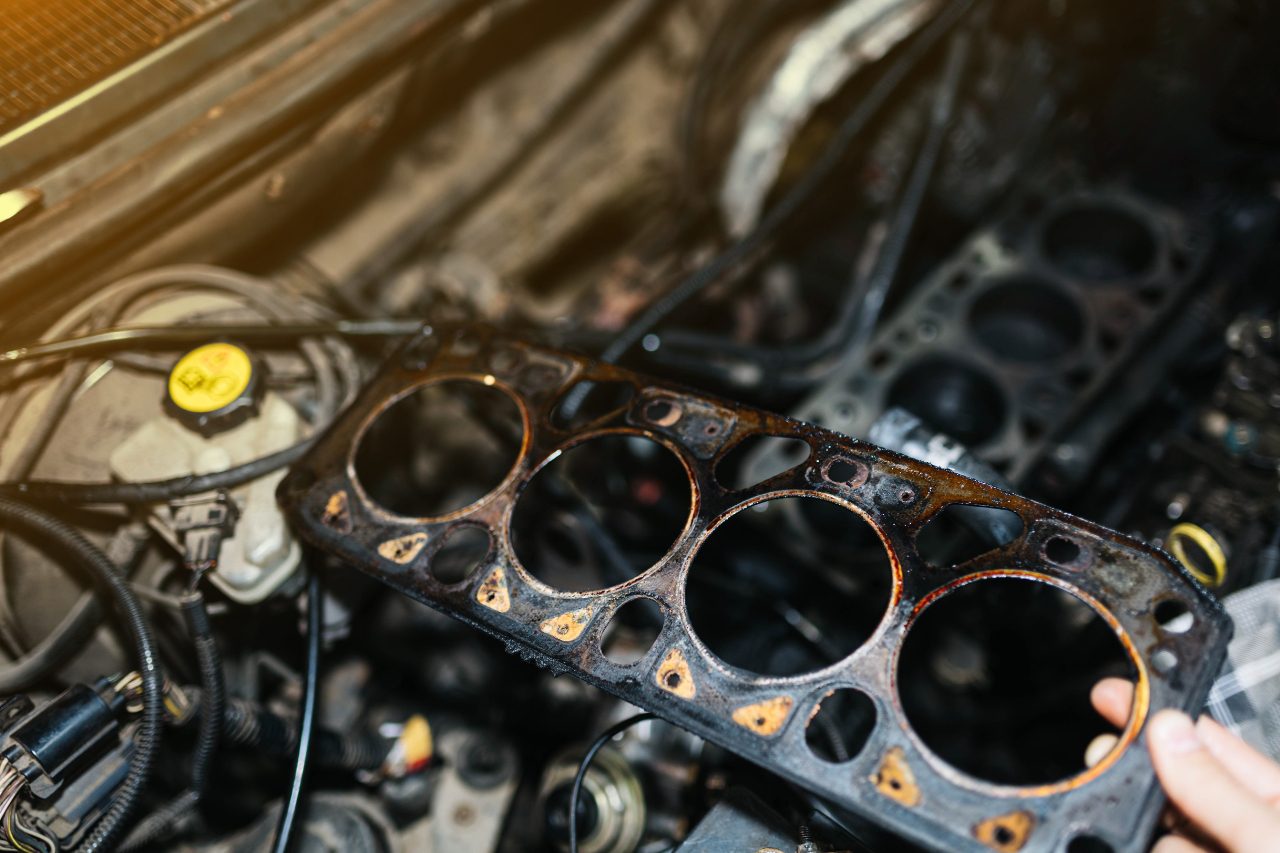
Every engine has its quirks, and the Golf 6 GTI engine is no exception. The most frequently reported issues include:
-
Timing chain tensioner failures
-
Carbon build-up on intake valves
-
Water pump and thermostat housing leaks
-
PCV system and diverter valve malfunctions
What’s unique is how willing enthusiasts are to work around these flaws. Many view them not as dealbreakers but as rites of passage—fixable quirks that come with the territory. Most of these problems are well-documented and solvable with preventative maintenance and upgraded parts. You can even find reliable used components through Diversity Spares.
How does the Golf 6 GTI engine perform in real-world driving?
The Golf 6 GTI engine shines in real-world conditions thanks to its wide torque band and minimal turbo lag. Peak torque arrives early—around 1,700 rpm—and stays consistent, making it perfect for city traffic and quick highway overtakes. Unlike some newer turbo engines that feel artificially smooth, the EA888 Gen 2 retains a mechanical, connected feel. The car feels alive in your hands, with every gear change, throttle input, and turbo spool contributing to a tactile, grin-inducing drive. It's this visceral engagement that keeps enthusiasts coming back.
Is the Golf 6 GTI engine reliable over the long term?
With proper care, absolutely. Many Golf 6 GTIs have crossed 200,000 km and are still going strong. Key to longevity is a strict maintenance routine:
-
Oil changes every 7,500–10,000 km with high-quality synthetic oil
-
Carbon cleaning every 80,000–100,000 km
-
Upgraded timing chain tensioner installation early on
-
Regular inspection of PCV and coolant components
Owners who stay on top of these basics often enjoy trouble-free ownership. If a rebuild or replacement is needed, consider the engine import options from trusted suppliers to breathe new life into your GTI.
What is it about the sound of the Golf 6 GTI engine that enthusiasts love?
It’s not just about numbers—it’s about noise. The Golf 6 GTI engine has a uniquely raspy and throaty exhaust note, especially with a performance downpipe and cat-back system. The sound strikes a perfect balance between refined and aggressive. It doesn’t drone on the highway but roars to life under heavy throttle, making it one of the most enjoyable aspects of the Mk6 GTI experience. Enthusiasts often customize their exhaust setups to highlight this character, making each car sound a little different—but all unmistakably GTI.
What does owning a Golf 6 GTI with this engine say about the driver?
Driving a Golf 6 GTI signals that you value performance and practicality in equal measure. It shows an appreciation for German engineering, a taste for spirited driving, and perhaps a bit of nostalgia for the early 2010s golden era of hot hatches. Many owners also enjoy the project aspect—constantly tweaking, tuning, and improving their setup. If you're looking for a GTI that blends character with capability, you’re in the right place. Interested in exploring more used options? Check the Diversity Spares vehicle listings for inspiration.
How does the Golf 6 GTI engine community keep the passion alive?
The community surrounding the Golf 6 GTI engine is one of the most vibrant in the car world. Forums, YouTube channels, tuning groups, and Instagram pages are filled with builds, DIY tutorials, dyno results, and event coverage. The shared love for the engine—and the willingness to help new owners—keeps the cult alive. Whether you’re chasing 300+ kW or restoring a bone-stock example, there’s a global network of support. For more real-world stories and tech insights, the Diversity Spares blog is a great place to stay updated.
Is now still a good time to buy a Golf 6 GTI?
With prices holding steady and clean examples becoming harder to find, now might be the best time to buy. The Golf 6 GTI engine still holds up against newer models in performance and tunability, and the car’s timeless design continues to turn heads. As the platform ages, enthusiasts are snapping up well-maintained units to modify or preserve. Just be sure to do a thorough mechanical inspection and confirm service history. For help sourcing specific parts or questions about your GTI build, feel free to contact the Diversity Spares team.