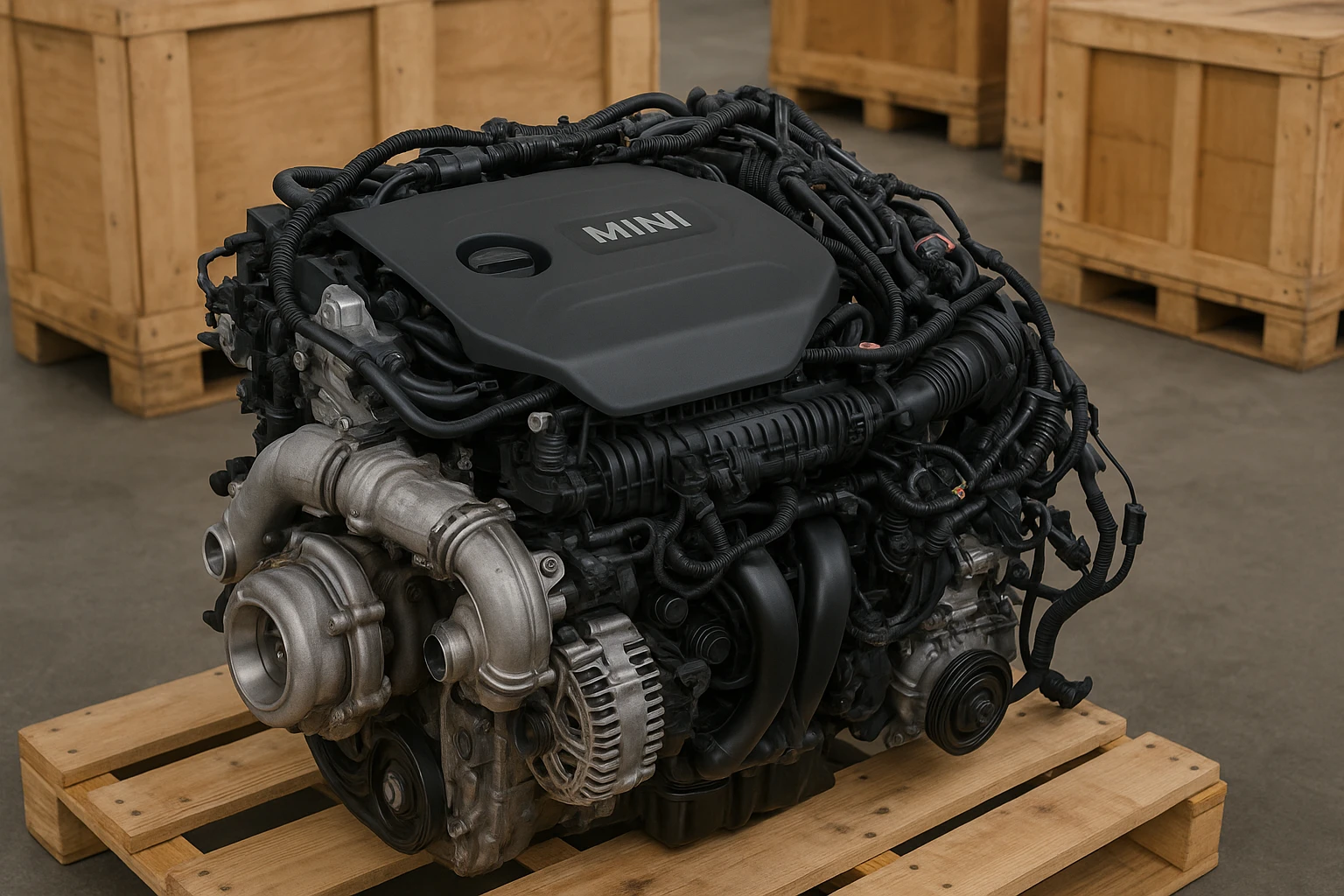
The Mini Cooper Engine: A Fast History From A-series Roots to Modern Turbo Power
Drikus · 10/29/2025 · 8 min read
The mini cooper engine has evolved from the original A-series simplicity to modern turbocharged units, and understanding that evolution helps South African owners and mechanics choose the right replacement engine or gearbox for repairs and upgrades.
Mini Cooper engines in stock
Looking for a Mini Cooper engine for sale? These are the Mini engines we currently have, each with warranty and nationwide delivery from Pretoria.
What is a mini cooper engine and why does it matter?
The mini cooper engine refers to the family of engines that power classic and modern Mini-branded cars. From the A-series inline-fours that gave the classic Mini nimble performance, to BMW's turbocharged three- and four-cylinder units fitted to modern Mini Coopers, the phrase covers a wide technical range. Knowing which mini cooper engine you have — its displacement, turbo or naturally aspirated setup, and common failure modes — is the first step to sourcing a cost-effective replacement engine or stripped spares in South Africa.
How did the mini cooper engine evolve historically?
The history of the mini cooper engine is a journey through British and German engineering partnerships. The original Minis (1959 onward) used the BMC A-series engines, noted for their compact transverse layout. Later, under BMW ownership, Minis moved to modern, lightweight, turbocharged engines with advanced management systems. According to Wikipedia, the Mini marque dates back to 1959 and has undergone several ownership and engineering transitions.
This evolution matters for spares sourcing: A-series parts are plentiful in stripped spares and salvage yards, while modern turbo engines often require more specialised components and diagnostic support.
What are the most common failures and wear items on mini cooper engines?
Common issues vary by era. Classic A-series engines often suffer oil leaks, worn timing chains or gears, and carburettor issues. Modern turbocharged mini cooper engine variants commonly present with:
Turbocharger failures or boost leaks
HPFP (high-pressure fuel pump) or fuel injector problems
Timing chain stretch on certain generations
Failing cooling components leading to head gasket issues
Mechanics in South Africa and elsewhere find that regular maintenance reduces the risk of catastrophic failure. In the used and rebuilt engine market, sourcing a quality-tested replacement engine reduces downtime and long-term costs.
How do you identify which mini cooper engine you have?
Identification starts with the VIN and engine code stamped on the block or noted on the vehicle's service book. For classic Minis, visual inspection of the A-series features — side-mounted carburettor, simple distributor, and mechanical fuel pump — is usually conclusive. Modern Minis often have engine codes in the engine bay sticker or under the bonnet.
Practical steps mechanics and owners can take:
Check VIN and decode for engine/transmission options.
Look for engine code and casting numbers on the block.
Compare visible components (turbocharger, intake manifold shape, fuel rail) with manufacturer diagrams or reputable parts catalogs.
What replacement engine options are available in South Africa?
South African buyers can choose from new engines, imported Japanese or German used engines, rebuilt engines, or local remanufactured units. Each choice has trade-offs:
Option
Pros
Cons
New engine
Manufacturer warranty, latest spec
High cost
Imported used (Japanese/German)
Lower cost, good availability
Variable history, shipping lead time
Rebuilt/Remanufactured
Balanced cost and reliability
Depends on rebuild quality
Second-hand from local dismantler
Fast, local delivery
May need torsional inspection
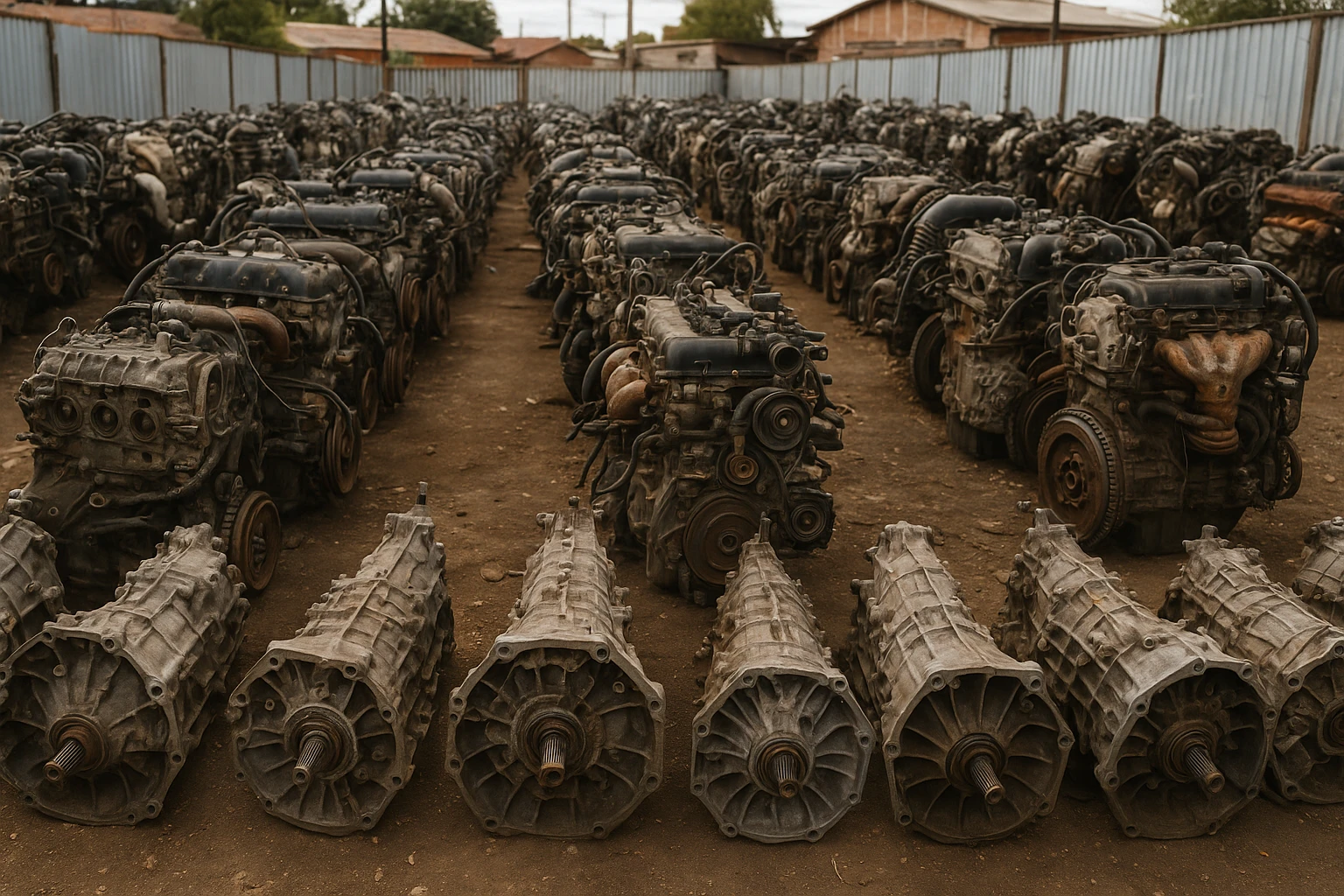
For mechanics and small auto repair businesses in South Africa, buying bulk stripped spares or imported engines can be cost-effective. Diversity Spares supplies a range of engine imports and used car parts to support this market: Engine Imports.
How much does it cost to replace a mini cooper engine in South Africa?
Costs depend on engine selection and labour. A budget rebuild or second-hand engine can be the most cost-effective route for older Minis, while modern turbo engines pushed up replacement costs due to sensors, turbocharger units, and ECU compatibility. Many repairs are influenced by local petrol prices and labour rates — which has driven demand for stripped spares and affordable replacements. According to local industry analysis, rising fuel costs have increased the market for used engines and parts as owners seek cost-effective maintenance solutions.
Typical cost factors to consider:
Engine purchase price (new, used, or rebuilt)
Gearbox compatibility or required replacement
Engine mount, ECU, wiring harness and sensor replacements
Labour and testing (compression, leak-down, etc.)
Can I fit a different engine or gearbox to my Mini?
Engine swaps and gearbox upgrades are possible but require planning. Compatibility issues include mounting points, oil and coolant lines, ECU communication, and drivetrain alignment. Some popular swaps involve fitting later BMW-derived turbo engines into older Minis, but these conversions may require custom engine mounts, aftermarket ECUs, or wiring harness modifications.
Advice for workshops and enthusiasts:
Document the donor engine code and gearbox type before purchase.
Source tested gearboxes or consider rebuilding the original gearbox if worn.
Use reputable suppliers for stripped spares and conversion components to avoid compatibility headaches — contact suppliers via the Diversity Spares spare form: Spare Form.
What tests should be done on a used or rebuilt mini cooper engine before purchase?
Quality checks safeguard against buying a problem engine. For a mini cooper engine, insist on:
Compression and leak-down test results
Service history or rebuild invoices
Visual inspection for head gasket leaks, bearings condition, and turbo shafts free-play
Oil analysis if available
Buyers should also verify the gearbox if purchased together; many sellers offer paired engines and gearboxes to reduce installation time and ensure drivetrain compatibility. Diversity Spares lists used car parts and engines and can deliver nationwide to mechanics and owners in South Africa: Used Car Parts.
Where can I get reliable mini cooper engine spares and gearboxes locally?
Local reliable sources include established dismantlers, specialist importers of Japanese and German engines, and remanufacturers. For South African buyers, options often include:
Suppliers of imported engines and gearboxes
Local vehicle dismantlers offering bakkie and 4x4 spares
Companies that provide nationwide delivery and fast turnaround
For workshops looking to support many customers, bulk supply agreements are common. If you need to source engines, gearboxes or drivetrain components, contact Diversity Spares directly for quotes or to arrange inspection: Contact Us. According to industry trade summaries, many South African mechanics now rely on imported Japanese and German stripped spares to balance cost and reliability.
How do rebuilt mini cooper engines compare to imported second-hand units?
Rebuilt engines are typically dismantled, inspected, and have worn components replaced before reassembly. They can offer a middle ground between a brand-new engine and a cheaper used unit. Imported second-hand engines may be more affordable but carry higher uncertainty about internal wear. The right choice depends on:
Budget and downtime tolerance
Availability of warranties or testing certificates
Intended use (daily driver vs. performance application)
Many South African buyers opt for tested imported engines that include compression testing and a short warranty. For peace of mind, ask for test reports or consider a remanufactured engine from a reputable supplier.
What paperwork, warranties, and legal considerations apply when importing or buying used engines?
Legal considerations include proper documentation for imported engines, VAT and duties where applicable, and matching the engine to the vehicle registration if required. Warranties vary by supplier — new engines often come with manufacturer warranties, rebuilt engines may come with limited guarantees, and used items typically have minimal coverage. Always request:
Bill of sale and origin documentation
Any available warranty in writing
Test certificates and service history
For logistics and nationwide delivery, many South African suppliers include transport options and handling. If you need parts or want to arrange a search for a specific mini cooper engine, use the shop or vehicle listings to speed up sourcing: Shop and Vehicles.
How can small repair businesses and mechanics stay competitive using mini cooper engines and stripped spares?
Small businesses can maintain competitiveness by building relationships with trusted suppliers, keeping a stock of common spares (gearboxes, turbochargers, gaskets), and offering tested replacement engines at transparent pricing. Efficiency tips:
Source bulk stripped spares to reduce per-unit cost.
Offer installation packages that include diagnostics and post-fit testing.
Lean on nationwide delivery to accept orders from remote customers.
According to local mechanics' associations, offering a reliable, fast-turnaround engine replacement service attracts repeat customers and bulk referrals. For help with sourcing, fill out a spare part request to get matched offers quickly: Spare Form.
What final checks and advice should I follow after installing a replacement mini cooper engine?
After installation, perform a thorough commissioning routine: check for oil and coolant leaks, confirm correct idle and throttle response, run diagnostic scans for fault codes, and perform a measured test drive with subsequent re-check of torque on mounts and fasteners. Keep service records and any test results to protect warranty claims and to build a history for future buyers.
As a closing note, whether you run a classic A-series Mini or a modern turbocharged model, sourcing the right mini cooper engine — from Japanese imports to rebuilt units — and pairing it with a compatible gearbox and spares will keep your vehicle roadworthy and affordable to maintain in South Africa. For detailed enquiries or to arrange sourcing, visit the Diversity Spares contact page or their blog for industry updates: Contact Us and Blog.
References and data points cited in this guide are drawn from historical records and industry reporting. According to Wikipedia, the Mini marque traces its origins to 1959 and the A-series engine legacy. According to industry analysis, rising petrol prices have increased demand for stripped spares and cost-effective engine replacements in markets like South Africa. According to technical histories, the A-series engine architecture influenced small-car engine design for decades.
External reference: Mini (marque) — Wikipedia