
The V5 Engine: Volkswagen’s Weirdest Success or Automotive Oddity?
The v5 engine is one of Volkswagen’s most unique engineering experiments—half brilliant, half baffling. Introduced in the late 1990s, it carved out a short-lived but unforgettable place in automotive history. But was the V5 truly ahead of its time, or simply a quirky detour on the road to more conventional designs? Let’s dig into what made it stand out, why it disappeared, and whether it’s still worth owning or reviving today.
What Exactly Is a V5 Engine?
The v5 engine is a five-cylinder petrol engine developed by Volkswagen, featuring a narrow-angle "V" configuration (15 degrees) that makes it look more like an inline engine than a true V-shape. It was based on the VR6 design, effectively removing one cylinder to create a compact five-cylinder layout. This unusual setup allowed the engine to fit in small engine bays while delivering smooth torque and decent power, primarily in the Volkswagen Golf, Bora, and Passat models between 1997 and 2006.
Why Did Volkswagen Develop a V5 Engine in the First Place?
Volkswagen developed the v5 engine as part of its innovative VR engine family, aiming to combine the space-saving benefits of a narrow-angle V configuration with the refinement of more cylinders. At the time, there was a gap between traditional four-cylinder and V6 engines in the lineup. The V5 was created to fill that niche with something smoother than a four-cylinder but more compact and cost-effective than a V6. It was also a branding move—to differentiate VW’s mid-range cars with something unique under the bonnet.
What Cars Came with the V5 Engine?
The v5 engine was never widely used outside the Volkswagen family. It appeared in the following models:
| Model | Years Available | Engine Code(s) |
|---|---|---|
| VW Golf Mk4 | 1997–2004 | AGZ, AQN, AZX |
| VW Bora/Jetta | 1998–2005 | AQN, AZX |
| VW Passat B5 | 1998–2000 | AGZ |
This limited production makes the V5 somewhat rare, but parts are still available if you know where to look. For verified spares and components, browse our used car parts section.
How Did the V5 Engine Perform in Real Life?
Performance was surprisingly decent for its time. The 2.3L V5 produced between 110–125 kW depending on the version, with a smooth torque curve and solid midrange power. The five-cylinder layout gave it a distinct growl, somewhere between the rasp of a four-cylinder and the smooth hum of a V6. Drivers often praised the engine for its refinement and unique sound, though it never became a true performance icon. It filled its role well as a mid-tier engine option in VW’s lineup.
Was the V5 Engine Reliable?
The v5 engine was generally reliable, benefiting from its VR6 lineage. However, it wasn’t without its issues. Common problems included:
-
Coil pack failures
-
Mass airflow sensor issues
-
Coolant system leaks
-
Timing chain tensioner wear
Regular maintenance and timely repairs were key to longevity. Fortunately, many of the wear-and-tear parts are still available through aftermarket and OEM suppliers. For fresh replacements, check our new car parts to keep your V5 running like new.
Why Did the V5 Engine Disappear?
Despite its clever design, the v5 engine was ultimately phased out due to market trends and internal competition. As turbocharged four-cylinders improved, they offered similar power with better efficiency. Meanwhile, compact V6 engines became more cost-effective to produce. Emissions regulations also played a role—tightening standards made the V5’s unusual combustion dynamics harder to keep compliant. VW shifted focus to its TSI and TDI engines, leaving the V5 behind.
Is the V5 Engine Worth Owning in 2025?
If you find one in good condition, absolutely. The v5 engine offers a unique driving experience and a conversation-starting piece of automotive history. It’s ideal for enthusiasts who value originality and don’t mind occasional parts hunting. Whether restoring a Mk4 Golf V5 or reviving a Bora, this engine brings old-school charm with daily drivability. Need help sourcing rare V5 components? Submit a request via our spare form and we’ll help you track it down.
Can You Still Rebuild or Replace a V5 Engine Today?
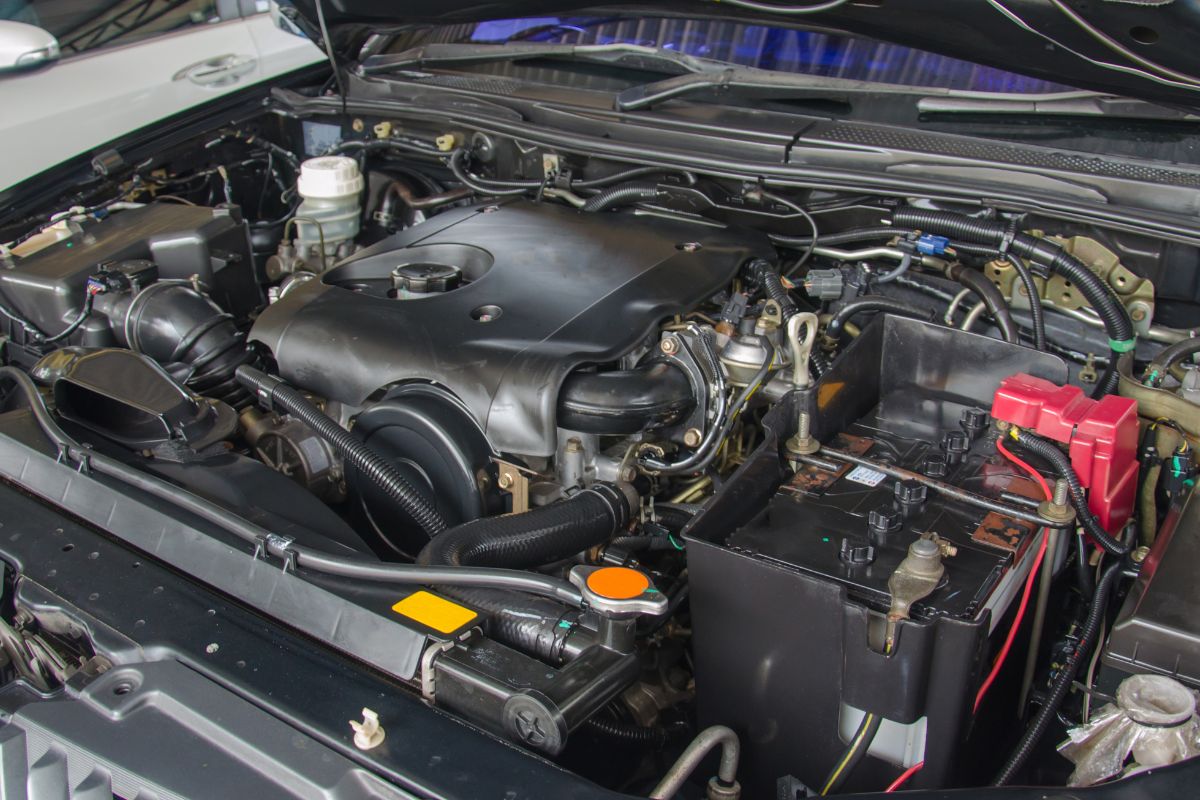
Yes—though not as common as mainstream engines, rebuild kits and used blocks are still available through specialized suppliers and importers. At LM Diversity Spares, we offer tested V5 engines and components in our engine imports section, with quality control to match OEM standards. Whether you're restoring or rebuilding, our experts can help source the right fit for your project.
What Makes the V5 Engine a Cult Classic?
The v5 engine occupies a rare space in the car world—it’s quirky, niche, and undeniably cool. It doesn’t deliver jaw-dropping performance, but it’s a showcase of clever engineering and 90s-era VW innovation. Its odd cylinder count, signature sound, and limited run make it a cult favorite for those in the know. It's one of those engines that car lovers cherish not because it was perfect, but because it dared to be different.
Where Can You Learn More About the V5 Engine and Related Spares?
To keep your V5-powered vehicle running strong—or to learn more about what makes this engine special—LM Diversity Spares is your go-to source. From replacement parts to expert guidance, we offer support for rare engines like the V5. Visit our shop for in-stock items, check our blog for more deep-dives, or contact us for personalised help on your V5 engine needs.
Wikipedia resource:
VW V5 engine – Wikipedia