Toyota 1KD Engine Reliability, Performance & Common Issues
Drikus · 10/13/2025 · 10 min read
The 1KD Engine has earned a reputation as a durable 3.0-litre turbodiesel option for Toyota Hilux and Land Cruiser Prado owners, and this guide explains reliability, common issues and sourcing options in South Africa for mechanics and owners.
What is the 1KD Engine?
The 1KD Engine (commonly the 1KD-FTV) is Toyota’s 3.0-litre common-rail turbodiesel used widely in Hilux, Fortuner and Prado models. According to Wikipedia, the Toyota KD engine family, including the 1KD-FTV, uses common-rail direct injection and variable geometry turbocharging to balance power and economy (Toyota KD engine — Wikipedia). The 1KD Engine is popular across markets where diesel bakkies and 4x4s are workhorses — exactly the kind of vehicles that form a significant part of South Africa’s light commercial fleet.
How reliable is the 1KD Engine in South Africa?
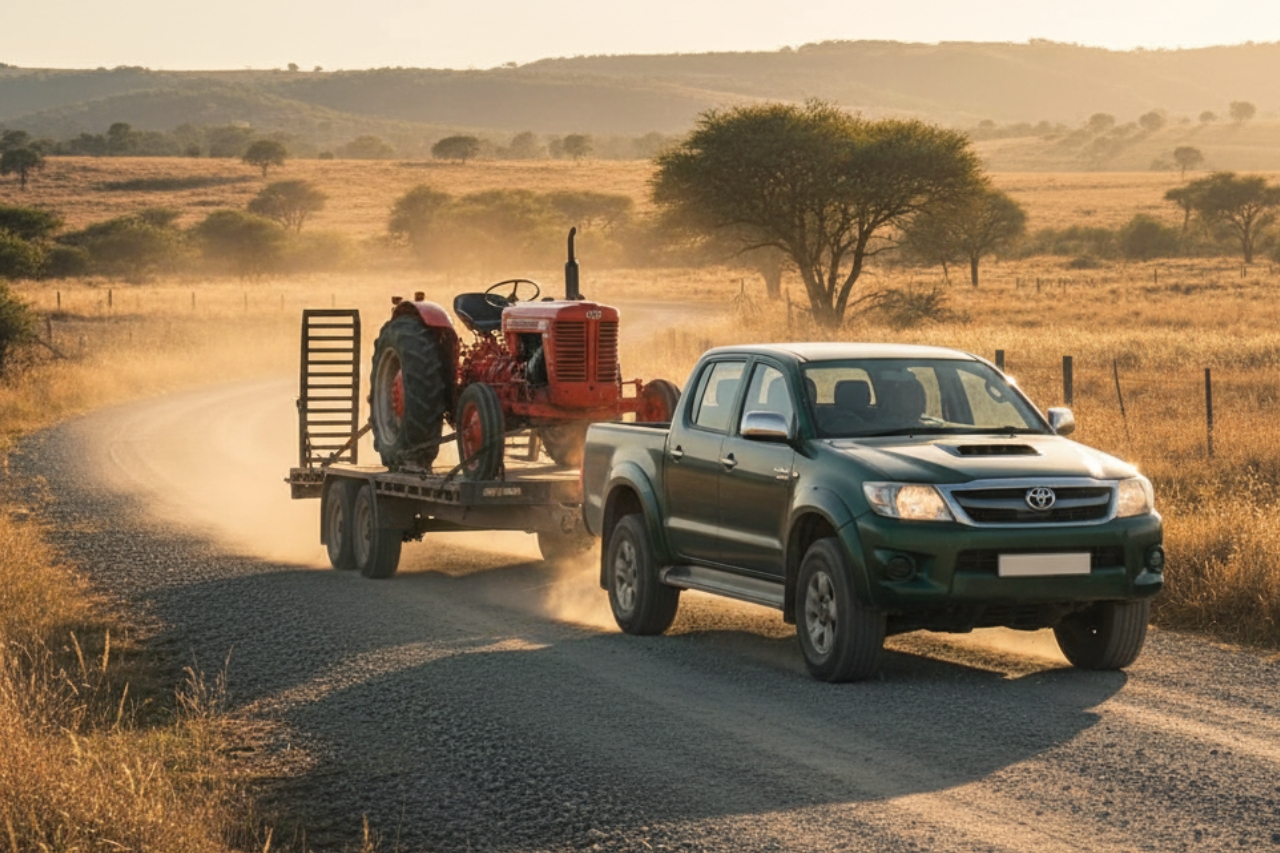
The 1KD Engine is considered reliable when properly maintained; many South African owners report high-mileage survivors used for haulage, farm work and fleet duty. According to mechanics and rebuilders in South Africa, a well-serviced 1KD can comfortably exceed 400,000 km before major overhaul. Reliability hinges on maintenance, fuel quality, and how the vehicle is used — bakkie operators subjecting engines to heavy loads or poor fuel will see different lifespans compared to light-use owners.
In practical terms for workshops: stock rotation of filters, quality engine oil, and early attention to turbo and EGR systems are the difference between a routine service and a costly rebuild. Because many South African workshops rely on affordable Japanese imported engines and stripped spares, turnaround time for repairs can be rapid when parts are accessible.
What are the most common issues with the 1KD Engine?
Common issues reported with the 1KD Engine include EGR carbon build-up, turbocharger wear, injector deposits, and oil dilution in high idling or short-trip use. Owners in dusty or coastal areas of South Africa also report accelerated air filter and intercooler wear. These problems are manageable but recurring — regular cleaning and component checks reduce the risk of engine limp mode or degraded performance.
Common symptom checklist:
Loss of power or turbo lag — often pointing to turbo wear or clogged EGR/intercooler.
Rough idle and poor cold start — possible injector issues or diesel injector pump symptoms.
Excessive smoke — can indicate injector or turbo failure.
Oil contamination or dilution — watch for fuel in oil and frequent top-ups.
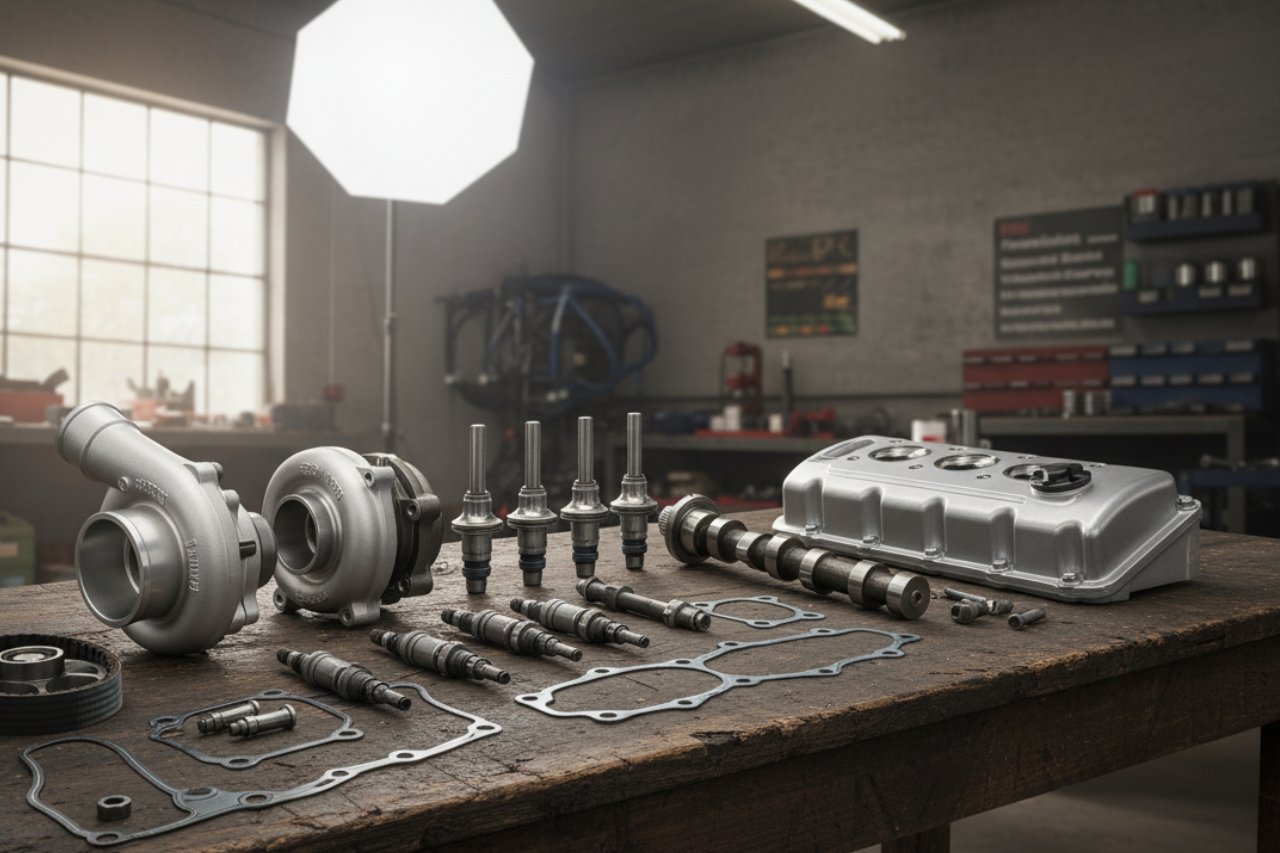
For mechanics, keeping a supply of tested injectors, rebuilt turbos and stripped spares from Japanese and German imports helps service these common faults quickly and cost-effectively.
How should I maintain a 1KD Engine to maximise life?
Maintenance is the single biggest factor in 1KD Engine longevity. A scheduled maintenance plan that includes oil and filter changes, fuel filter replacement, and periodic EGR/intercooler cleaning will prevent many common failures. For South Africa’s varied conditions — dusty rural roads, city stop/start, and long highway runs — adapt service intervals based on use.
Service Item
Typical Interval
Why It Matters
Engine oil & oil filter
Every 8,000–15,000 km (use quality diesel oil)
Prevents wear, deals with soot and acid from diesel combustion
Fuel filter
Every 20,000–30,000 km
Protects injectors and pump from contamination
EGR & intake cleaning
Every 60,000–100,000 km (more often in stop/start use)
Reduces carbon build-up that causes limp modes
Turbo inspection
Every 80,000–120,000 km or on power loss
Detect wear early to avoid catastrophic failure
For fleets and small repair shops across South Africa, bulk supply of engine oils, filters and gasket kits — available through local spare suppliers — reduces downtime and cost-per-service. Keeping a dedicated 1KD maintenance checklist helps small businesses deliver reliable, cost-effective repairs.
Can I buy rebuilt or second-hand 1KD engines in South Africa?
Yes — rebuilt, imported and second-hand 1KD engines are widely available through engine importers, dismantlers and specialist suppliers. Many buyers choose an imported, tested engine to reduce labour and downtime compared to a full rebuild. According to industry suppliers in South Africa, demand for imported used engines rose as owners sought affordable replacements rather than expensive dealer reman units.
Options you’ll usually find:
Fully rebuilt engines with warranty — higher upfront cost but lower risk.
Japanese-imported second-hand engines — cost-effective, often low hours for age.
Stripped units for parts — useful for sourcing hard-to-find components.
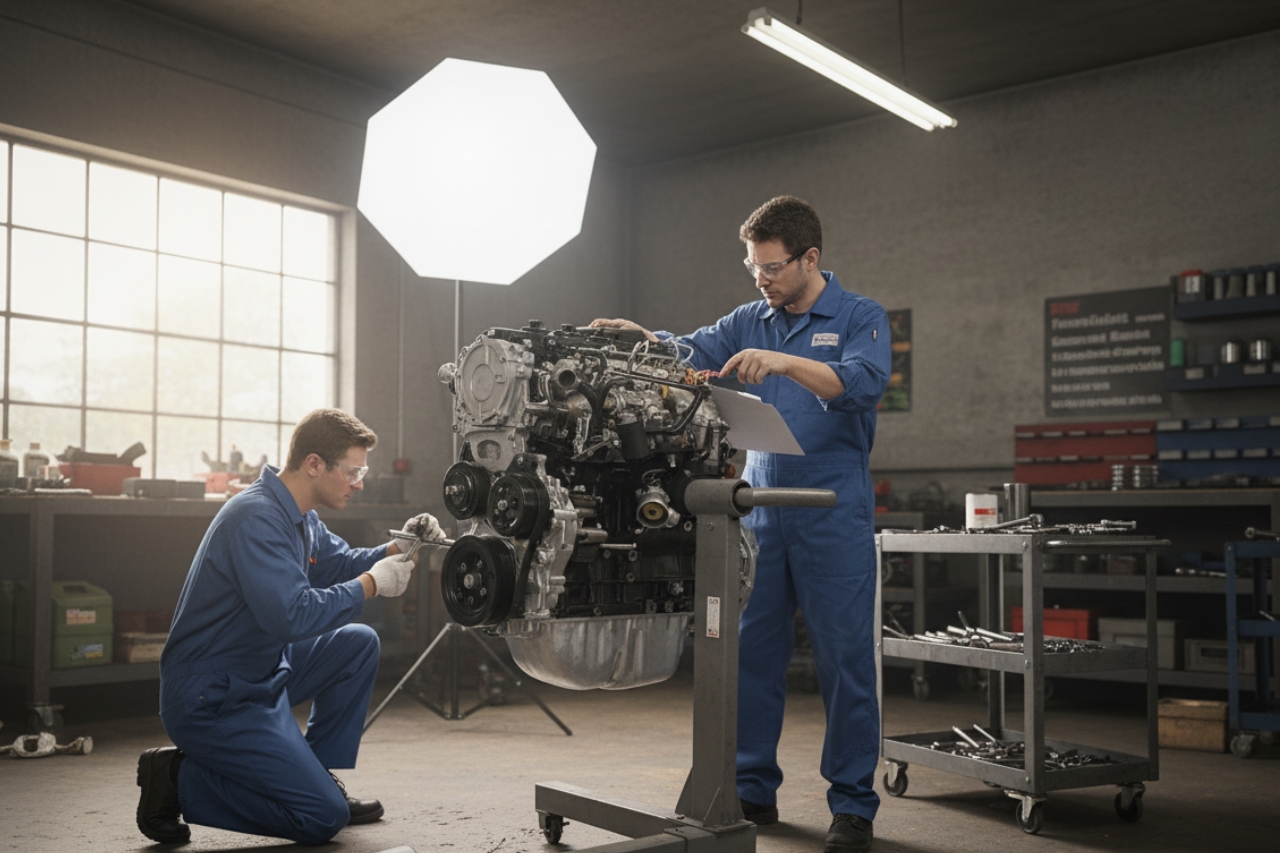
If you’re considering a replacement engine, ask for test reports, compression numbers, and a clear warranty. Shops that specialise in engine imports and tested units can help with nationwide delivery and fitting.
How much does a replacement 1KD Engine typically cost?
Replacement costs vary by whether you choose a rebuilt, used imported or remanufactured unit. In South Africa, a used imported 1KD Engine will usually be the most affordable path, rebuilt units cost more but include testing and warranty. Labour, gearbox compatibility and ancillaries (turbo, ECU, harness) add to total cost.
Cost factors to consider:
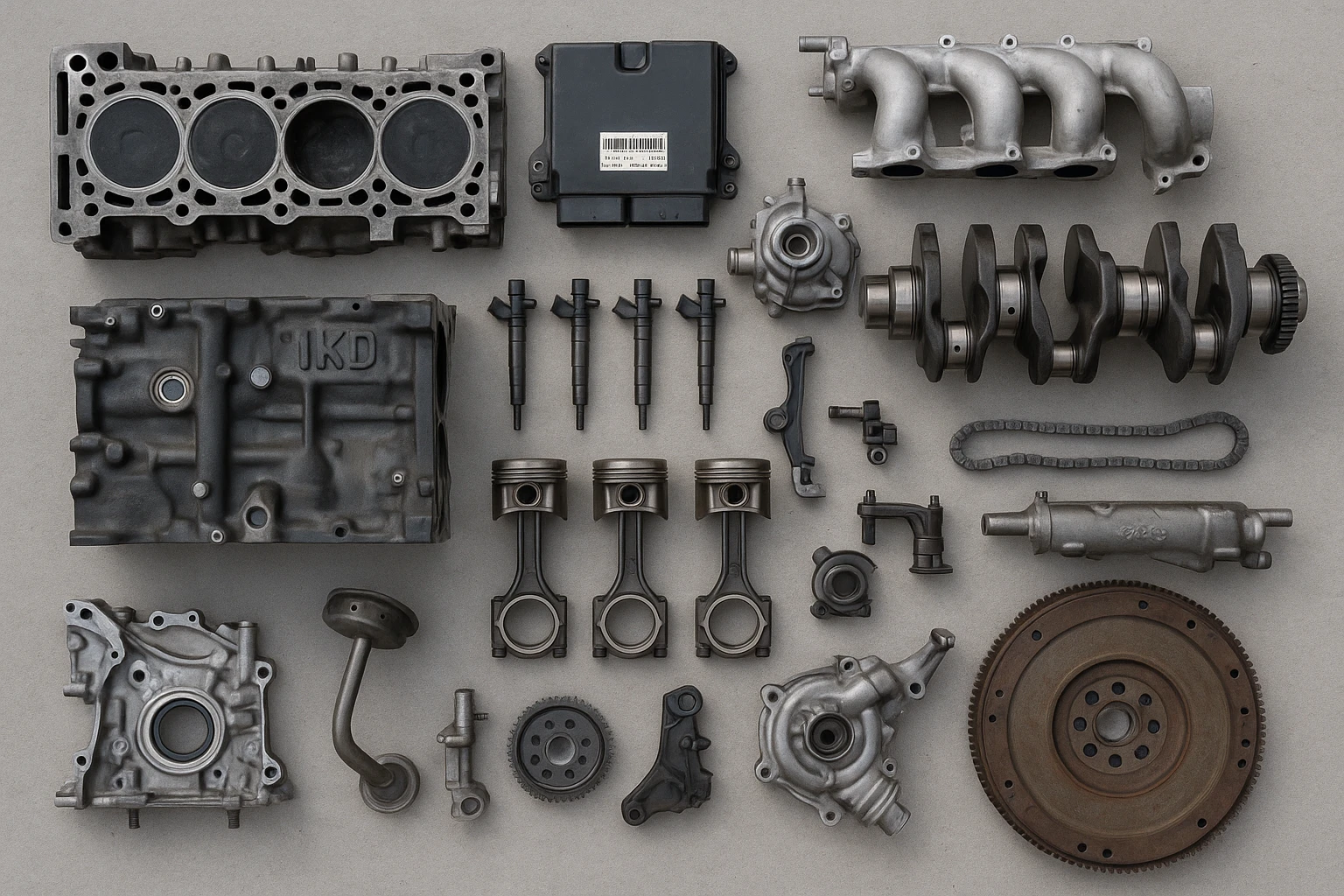
Included components: turbo, exhaust manifold, injectors affect price.
Supply chain: imported engines incur shipping, clearance and local VAT.
To get accurate pricing, request a quote that itemises engine, testing, delivery and fitting. Use a reputable supplier that offers a written warranty and the option to return in the event of major unseen faults.
Is the 1KD Engine fuel-efficient and how does it perform?
The 1KD Engine strikes a balance between torque for towing and reasonable fuel economy for its class. Performance is characterised by strong low-end torque useful for bakkies and 4x4s used in South African work fleets. According to workshops and owner feedback, the 1KD offers reliable pull under load and responsive turbo behaviour when healthy.
Performance tips:
Keep the intercooler and air intake clean to maintain boost and economy.
Use quality diesel and add-ons like water separators where fuel quality is variable.
Address EGR and injector deposits promptly to avoid power loss and higher consumption.
For drivers prioritising economy, correct servicing and careful driving — avoiding excessive idling and heavy overloaded starts — preserve the factory fuel-efficiency profile.
What parts fail most on the 1KD and are spares easy to find?
The parts that most commonly need attention are the turbocharger, injectors, EGR valve, sensors and high-pressure fuel pump. Availability of spares in South Africa is good: many parts are available as new car parts or as tested used items from dismantlers and importers. Sourcing stripped spares from Japanese and German engines has become a cost-effective approach for older vehicles.
Common spare sourcing channels:
New parts from authorised suppliers for peace-of-mind and warranty — search new car parts stock.
Used parts from dismantlers and tested spares for cost-effective repairs — check used car parts listings.
Refurbished components like turbos and injectors from specialist remanufacturers.
For South African mechanics, establishing relationships with nationwide suppliers ensures fast turnaround and the ability to offer affordable repairs to customers. If you need a specific part that’s hard to find locally, consider imported stripped spares or a complete imported engine to source components.
Should I consider gearbox or drivetrain work when replacing a 1KD Engine?
Whenever an engine swap is planned, it’s prudent to inspect the gearbox, clutch, driveline and mounts. Many 1KD swaps pair with automatic or manual transmissions that require compatible torque converters, bellhousing alignment and sometimes wiring/ECU adaptions. For bakkies and 4x4s used in heavy-duty roles, the drivetrain may show complementary wear that’s cheaper to address during the engine replacement than later on.
Checklist when replacing engines:
Inspect gearbox seals and input shaft for wear.
Check clutch or torque converter condition if accessible.
Verify engine mounts and motor/transmission alignment.
Confirm ECU and sensor compatibility or plan for mapping/adaption.
Workshops that also offer gearbox sales and fitting can bundle services and reduce total vehicle downtime. Consider sourcing a matched engine-and-gearbox package when available from importers to simplify the swap.
How do imported engines and stripped spares fit into the South African market?
Imported engines and stripped spares are a cornerstone of affordable vehicle repair in South Africa. Because many older bakkies and 4x4s remain economically valuable, workshops source Japanese and European stripped spares to keep vehicles roadworthy. According to industry suppliers, rising fuel prices and parts costs have increased demand for good-quality used engines and components as cost-effective alternatives to new OEM units.
Benefits of imported engines and stripped spares:
Cost savings compared to brand-new reman units.
Availability of discontinued or rare parts.
Faster supply for high-demand components in fleet repairs.
When buying imported units, insist on testing/inspection reports and ask about the dismantler’s quality checks. Many suppliers now offer nationwide delivery and documented testing, which simplifies procurement for independent mechanics and small repair shops.
Where can mechanics and owners source tested 1KD engines and parts in South Africa?
South African workshops and private owners can source tested 1KD engines and spares from specialist engine importers, dismantlers, and parts suppliers. Look for suppliers who provide test reports, warranties and nationwide delivery. For immediate needs, check local listings of used car parts and engine imports; for planned swaps, request a full breakdown of included ancillaries and freight cost.
Useful steps when sourcing:
Request compression and leakdown test reports on used engines.
Ask whether injectors, turbo and sensors are included or sold separately.
Confirm shipping, customs and VAT to avoid surprise charges.
Use the supplier’s spare enquiry form or contact page to get quotes and lead times.
For buying and enquiries, try engine import services and spare specialists that support mechanics and small businesses with bulk supply and fast turnaround. For new or used part searches consult relevant supplier pages and use the spare parts enquiry form to secure quotes and delivery.
Final checklist: Is a 1KD Engine right for my vehicle in South Africa?
Deciding whether a 1KD Engine is the correct choice depends on the vehicle’s role, the maintenance history and budget. If you need a durable, torquey diesel for towing or commercial use, the 1KD is a proven option. Consider a tested imported engine or a rebuilt unit if the original requires a costly overhaul. Plan for associated drivetrain checks and prioritise quality servicing to protect your investment.
Quick decision checklist:
Use-case: heavy towing/farm work — 1KD is suitable.
Budget: choose used-imported for savings, rebuilt for reliability.
Support: ensure access to spare parts and trustworthy fitting workshops.
For personalised quotes, warranty details and nationwide delivery options, contact reputable suppliers who specialise in engine imports and tested second-hand parts. Use the engine imports page, browse new and used car parts or submit a spare enquiry to get started with a fit-for-purpose solution.
Useful links and resources
Explore these supplier pages to check stock, request quotes and arrange delivery:
Contact Us — arrange inspections, delivery and workshop support.
References and facts to keep in mind
According to Wikipedia, the 1KD-FTV is part of Toyota’s KD engine range, featuring common-rail direct injection and variable geometry turbocharging, which helps explain its balance of torque and efficiency (Toyota KD engine — Wikipedia). According to industry suppliers in South Africa, demand for imported and second-hand engines increased as owners looked for affordable replacement options amid rising running costs. According to workshop surveys and owner reports, consistent maintenance — oil changes, fuel filter replacement and EGR servicing — is the single most important factor in extending 1KD Engine life beyond 400,000 km under mixed-use conditions.