
Uncategorized
Toyota 4Y Engine in the Hilux: Why It Lasts, What Fails, Rebuild vs Replace and Buying Tips
Drikus · 1/15/2026 · 13 min read

The toyota 4y engine is a stalwart of older Hilux bakkies across South Africa, prized for its simplicity, ruggedness and the wide availability of spares in the aftermarket.
If you run a small auto repair business or need a cost-effective turn-around, sourcing rebuilt or imported engines from specialists can be sensible — many mechanics in South Africa rely on imported engines and stripped spares to keep older vehicles roadworthy. See available engine brands and imports at our engine brands and engine imports pages for options.
Engine brands • Engine imports


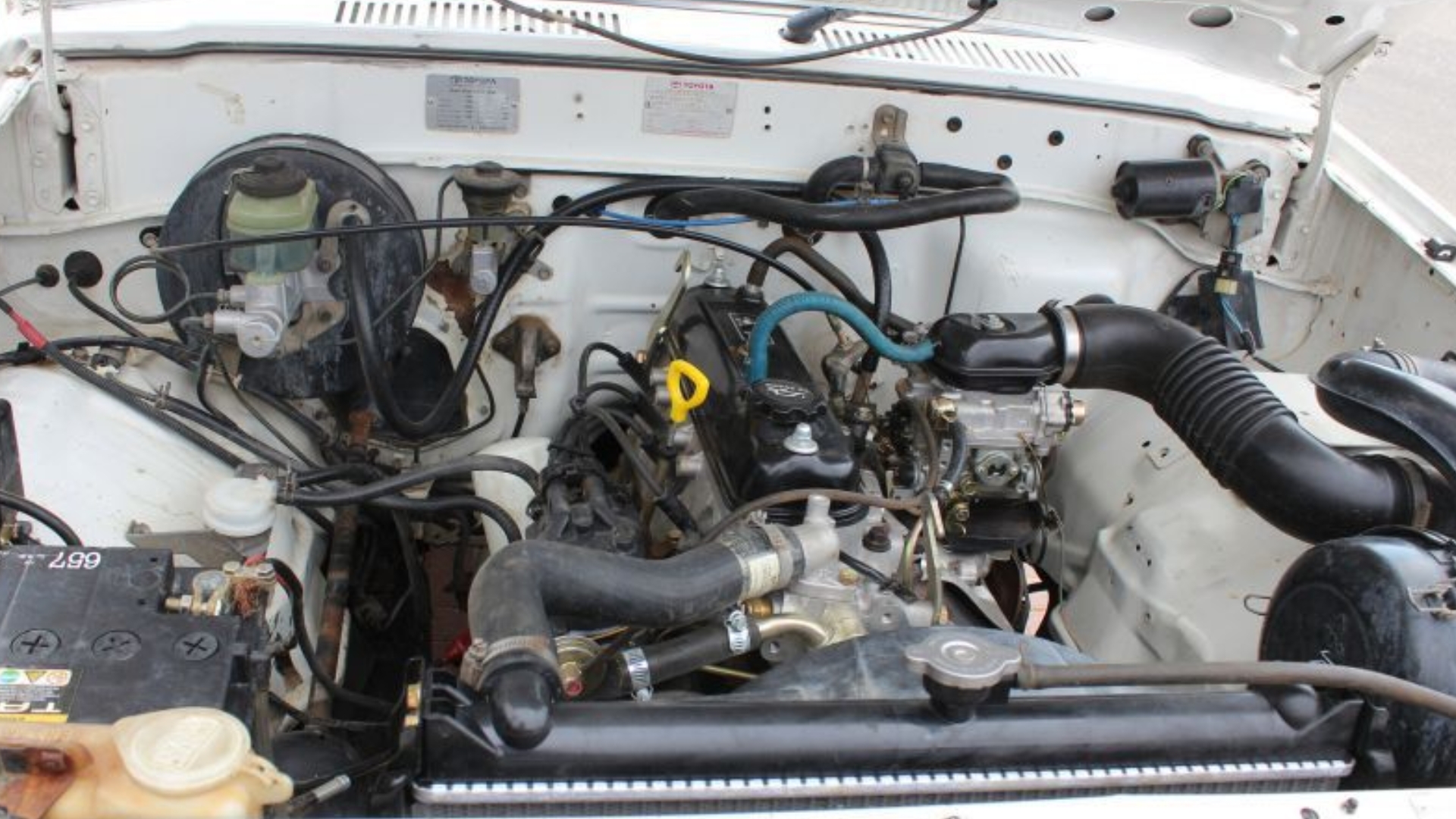
What makes the toyota 4y engine so long-lasting?
The 4Y is a pushrod, overhead-valve petrol engine with a cast-iron block and a simple valvetrain. Those basic design decisions — robust materials, conservative tuning and a service-friendly layout — are major reasons the toyota 4y engine lasts longer than many modern, more complex units. The mechanical simplicity means fewer failure modes (no high-pressure common-rail systems, fewer sensors) and easier DIY or workshop repairs in remote areas. In South Africa’s bakkie and 4x4 market, where vehicles often do heavy-duty work, those traits make the 4Y a dependable choice. Routine maintenance items (timing chain/belt depending on spec, valve clearance, carburettor or fuel system tune-up, cooling system care) are all straightforward, so a well-serviced 4Y can remain in service for many years. The engine’s parts are commonly available through local spares houses and specialist dismantlers, and mechanics can often rebuild or service units without specialised diagnostic equipment.Where was the 4Y used and how common is it in the Hilux and other Toyota models?
The toyota 4y engine saw widespread use in Toyota light commercial vehicles — particularly Hilux bakkies and various Toyota vans and chassis cabs in the 1980s and 1990s. That ubiquity means many South African owners encounter it in older Hilux models, and it is a frequent candidate for engine swaps or engine rebuild programs. According to Wikipedia, the Toyota Hilux has been in production since 1968, and generations used a variety of 4-cylinder engines including the 4Y family in certain markets and model years. This historical footprint explains why spare parts, used engines, and rebuild kits for the 4Y are common in the industry today. For more background on the Hilux lineage see the Toyota Hilux page on Wikipedia: https://en.wikipedia.org/wiki/Toyota_HiluxWhat are the most common failures on a toyota 4y engine?
While the 4Y is durable, age and service history determine what typically fails. The most common issues are related to wear and long-term exposure rather than complex electronic faults.- Head gasket failures — often caused by overheating or long-term coolant neglect.
- Valve and rocker gear wear — noisy tappets and burnt valves from long valve-clearance intervals.
- Oil leaks — aged seals and gaskets (cam cover, front seal, rear main) tend to go on older engines.
- Worn main and big-end bearings — especially on high-mileage engines run with poor oil maintenance.
- Fuel system issues — carburettor wear or fuel pump problems on carb-fed variants.
How many kilometres can a toyota 4y engine last if it’s looked after?
A properly maintained toyota 4y engine will commonly exceed 300,000 km and many reach 400,000–500,000 km before a major overhaul — especially when used in moderate-load applications and with regular oil changes. Much depends on maintenance intervals, oil quality, cooling system condition and how the bakkie is used. For example, owners who follow conservative service schedules (regular oil and filter changes, cooling system flushes, valve clearance checks) and avoid repeated overheating can expect extended life. According to Diversity Engines' nationwide delivery records and workshop feedback, owners who adopt preventive maintenance routines are far more likely to keep an older 4Y in service for years rather than months.Rebuild vs replace: when does it make sense to rebuild a 4Y and when should you swap it?
Deciding whether to rebuild or replace a toyota 4y engine depends on condition, cost, vehicle value and how long you plan to keep the Hilux. Rebuilding keeps the original block and components, which suits owners who want to retain originality or who have a very serviceable block. Replacing with a second-hand or rebuilt unit can be faster and sometimes cheaper if the original has catastrophic damage (blown-up block or scored bores). Key considerations:- Extent of internal damage — light wear: rebuild; cracked/warped block: replace.
- Time and labour — replacement is usually faster than full rebuilds and reduces workshop downtime.
- Cost and warranty — a professionally rebuilt engine may come with a short warranty; imported rebuilt units vary.
| Option | Typical pros | Typical cons |
|---|---|---|
| Rebuild (local) | Retains original block; potentially lower parts cost; customised inspection | Labour time; depends on local workshop skill; variable warranty |
| Used second-hand engine | Often cheapest; quick swap | Unknown history; higher risk of immediate faults |
| Rebuilt/imported engine | Tested/reconditioned; sometimes comes with warranty; lower downtime | Higher upfront cost; shipping lead times |
How much does a rebuild or replacement cost in South Africa?
Costs vary by region, parts quality and labour. As a guideline:- Basic top-end rebuild (head gasket, valves, seals): R6,000–R12,000.
- Full rebuild (reboring, new pistons/rings, bearings, machining): R14,000–R30,000.
- Used second-hand exchange engine (fitted): R10,000–R25,000 depending on condition and model year.
- Rebuilt/imported tested engine (fitted): R20,000–R45,000 depending on warranty and supplier.
What should I inspect when buying a used toyota 4y engine or a Hilux fitted with one?
Buying used requires a methodical inspection to reduce risk. Whether you buy a stripped engine, a fitted replacement or a vehicle, use this checklist:- Compression test — consistent readings across cylinders indicate healthy rings and valves.
- Leak-down test — helps confirm head gasket and valve sealing condition.
- Check oil condition and smell — milky oil suggests coolant contamination; metal flakes suggest bearing wear.
- Inspect for coolant leaks and signs of overheating — warped heads and blown gaskets are common after overheating events.
- Listen for bearing knock and excessive valve noise — can indicate internal wear.
- Check maintenance history — service records, previous rebuilds, or replacement receipts.
Where can I source parts, stripped spares and affordable engines in South Africa?
The South African market has a healthy trade in stripped Japanese and German spares, both for direct repairs and for workshops that rebuild engines and gearboxes. Suppliers range from local breakers to specialist importers that supply nationwide. If you need engine cores, reconditioned units or gearbox replacements, look for suppliers that offer testing, delivery and a reasonable warranty — many small mechanics rely on these services for quick turnarounds. According to local auto-spares market reports, demand for stripped spares has risen in recent years as owners of older vehicles seek cost-effective repair options instead of buying new. For access to brands, imports and workshop support, explore engine and gearbox imports and inventory on specialist supplier pages. Many suppliers, including national dismantlers, provide delivery to remote workshops and aftermarket parts stores. Gearbox imports • Gearbox brands
Installation, common repairs and upgrade options for the 4Y
Installing a replacement 4Y or rebuilding one requires attention to detail. Common repairs include head machining, valve refurbishment, bearing replacement and reconditioning of the oil pump and water pump. Typical workshop checkpoints are torque settings for the head and main caps, correct cam and timing settings, and ensuring the fuel and cooling systems are in good condition. Upgrade options are modest because the 4Y is a low-tech engine, but sensible improvements include:- New cooling system components (radiator, thermostat, hoses) to avoid overheating.
- High-quality valve springs and guides to restore valve geometry.
- Performance carburettor tuning or conversion to more reliable fuel delivery.
- Improved ignition components (coil, distributor cap, leads) for better starting and economy.
How do I keep my toyota 4y engine roadworthy and economical over the long term?
Long life for a toyota 4y engine is mainly about routine care. Key routines include regular oil and filter changes, cooling system inspection, timely replacement of belts/hoses and valve clearances, and addressing leaks promptly. Because many 4Ys in South Africa are used in bakkies that tow or carry loads, pay attention to oil condition and temperature management when the vehicle is under heavy load. Fuel economy on an older 4Y can be improved with simple measures: correct tyre pressures, clean air filter, good spark and a well-tuned carburettor or fuel system. Maintaining the drivetrain (clutch, gearbox) also reduces strain on the engine and improves real-world economy. According to workshop surveys and fleet maintenance records, preventative maintenance typically reduces major engine repairs by a significant margin — owners who adhere to scheduled services pay less for unplanned downtime and keep vehicle resale values higher.
Imported engines, warranties and legal/fitment issues in South Africa — what to know
Imported rebuilt engines are a popular route for quick replacements. When considering an imported toyota 4y engine or rebuilt unit, check these points:- Warranty — length and what it covers (labour vs parts).
- Test data — compression readings, run-in videos, and any dyno numbers if available.
- Fitment compatibility — ensure mounts, gearbox coupling and ancillaries (alternator, starter) match your Hilux model year.
- Customs and delivery times — plan for lead times and any import paperwork or duties.