
Engines and Gearboxes
VR6 Engine in the VW Golf: Sound, Strengths, Weak Spots and What to Check Before You Buy
Drikus · 1/28/2026 · 13 min read
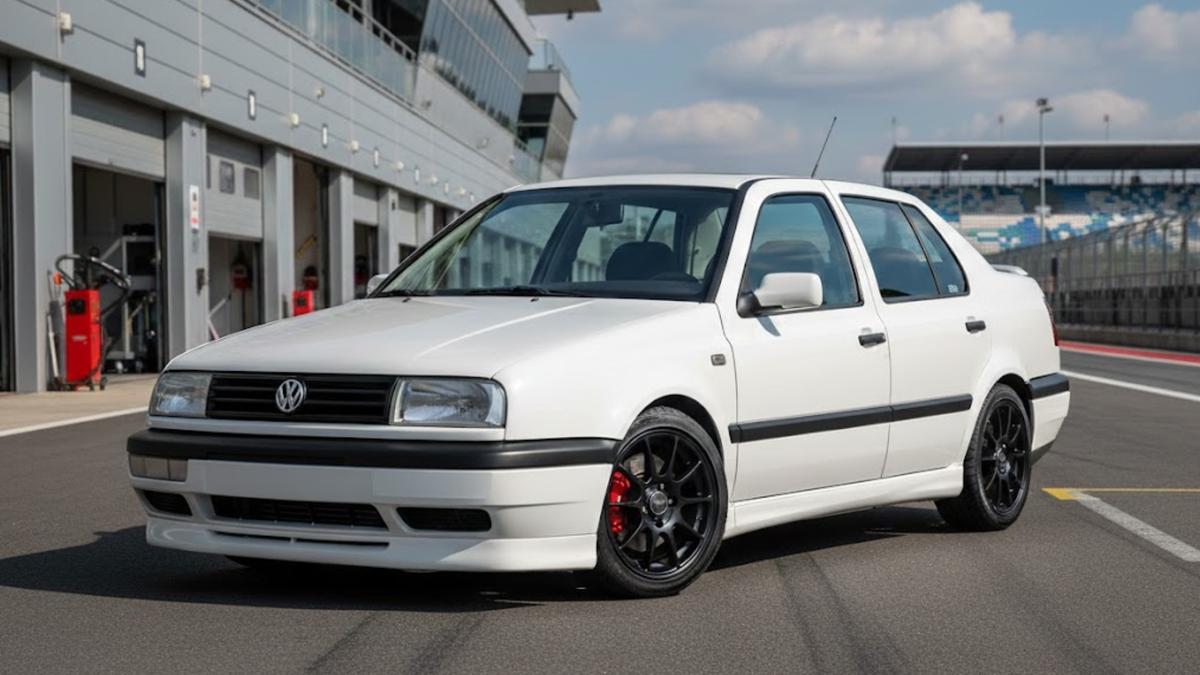
The VR6 engine has a cult following because of its unique sound and compact packaging; if you’re shopping for one in South Africa — whether as a second‑hand replacement, rebuilt unit, or imported engine — this guide tells you what to expect and what to check before you buy.
According to local spares dealers and marketplace trends, demand for cost‑effective replacement engines rose as motorists looked to extend vehicle life amid rising fuel and running costs. According to NAAMSA, the large South African vehicle parc supports a lively used parts market, and many businesses now specialise in nationwide delivery of tested engines and gearboxes.
What makes the VR6 engine different from other V6 layouts?
The VR6 engine is a staggered single‑block narrow‑angle V6 designed by Volkswagen to fit a six‑cylinder layout into transverse engine bays normally reserved for four‑cylinder units. The design uses a very narrow angle between the cylinder banks (usually 10.5–15 degrees depending on version) so the engine can share a single cylinder head. The compact packaging is why Volkswagen could offer a smooth six‑cylinder experience in models like the Golf, Corrado and Passat without redesigning the engine bay. This compact architecture affects complexity, service items, and parts sourcing: some components are VW‑specific, but because the VR6 has been around since the early 1990s, many aftermarket and stripped‑spares suppliers in South Africa stock common wear parts.How does the VR6 engine sound and why do enthusiasts love it?
The VR6 engine sound is often described as a throaty, harmonically rich growl that sits between the smoothness of an inline‑six and the bark of a V6. The single‑head design and uneven firing intervals on some versions create a distinctive exhaust note that many drivers find addictive. Enthusiast communities around the world — and locally in South Africa — prize that character, particularly in warm‑breathed petrol engines. For buyers sourcing engines from imported engines suppliers or looking for rebuilt engines, confirming whether the exhaust, intake, and ignition systems are original or modified will help you assess whether the classic VR6 sound will be preserved.What are the main strengths of the VR6 engine?
Strengths include compact packaging, strong mid‑range torque, and a unique sound. The VR6 delivers usable torque across a broad rev range, making it ideal for everyday driving, overtaking and for heavier bakkie or 4x4 conversions where low‑end torque is valued. In addition:- Fitment flexibility — the compact layout allowed VW to use a six‑cylinder in transverse platforms.
- Aftermarket support — because of the VR6's popularity, there is good availability of performance parts and replacement spares worldwide.
- Smooth operation — one cylinder head and compact design reduce vibration and can be smoother than some wider‑angle V6s.
What are common weak spots and reliability concerns with a VR6 engine?
No engine is perfect. The VR6 has known weak points that used‑engine buyers, mechanics and dismantlers should know about. Common issues include:- Cooling system vulnerabilities — ageing water pumps, plastic thermostats and cracked coolant hoses are common on older VR6s.
- Oil leaks — camshaft cover gaskets and crankshaft seals can leak after high mileage.
- Timing‑related wear — some early VR6 variants used timing chains and tensioners that can wear; later versions improved these components.
- Intake manifold and vacuum line aging — brittle plastic parts can crack, causing poor running or limp mode.
How many kilometres or miles should a VR6 last with good maintenance?
With proper maintenance — regular oil changes, cooling system service and timely replacement of wear items — many VR6 engines exceed 300,000 km (≈186,000 miles). Usage pattern matters: highway driving with timely servicing extends life, whereas neglected urban stop‑start conditions accelerate wear. According to owners’ forums and long‑term tests shared by enthusiasts, it’s common to see well‑maintained VR6 powerplants reach or surpass that 300,000 km mark; however, examples with poor maintenance histories often present the weak‑spot symptoms described above.What should you check on a VR6 engine before buying — visual and mechanical inspections?
A thorough inspection reduces the risk when purchasing a VR6, whether it’s a second‑hand engine, rebuilt unit, or imported engine. Key checks:- Visual inspection: look for oil leaks, corrosion, cracked plastics, and condition of the cambelt/chain cover.
- Compression test: confirms cylinder health and indicates burned valves, worn rings or head gasket issues.
- Cooling system pressure test: reveals head gasket or crack problems and checks for holding pressure.
- Listen on start‑up and at idle: uneven idle, tapping or knocking sounds indicate deeper issues.
- Check service history: look for regular oil changes, coolant flushes, and timing chain/tensioner replacements.
How does the VR6 compare to other engines for a Golf or bakkie swap?
Comparing the VR6 to inline‑4s and wider‑angle V6s depends on priorities. The VR6 offers more cylinders and smoother power delivery than a four‑cylinder, with better mid‑range torque useful for heavier vehicles or performance builds. Compared to a transverse V6 with wider bank angle, the VR6 is more compact but can be slightly heavier and more complex to service in tight spaces. For bakkie and 4x4 spares traders or mechanics in South Africa, the VR6 can be an attractive swap for classic Golfs, Mk2/Mk3 projects or light 4x4 conversions — particularly where space is limited but buyers want six‑cylinder character. Consider gearbox compatibility, mounting points and drivetrain components when planning a conversion; many engine and gearbox importers can supply compatible transmissions and adapters.Where can you find reliable VR6 engines and parts in South Africa?
South Africa has a healthy market for used engines, rebuilt units and stripped spares. You can source VR6 units from vehicle dismantlers, engine imports specialists and online spares shops. When evaluating suppliers, look for these strengths:- Nationwide delivery and clear return/warranty policies.
- Availability of tested, quality‑checked second‑hand engines or fully rebuilt engines with parts records.
- Access to related drivetrain components (gearboxes, differentials) and spares like camshafts, manifolds and ignition parts.
How much does a VR6 engine cost in South Africa — second‑hand vs rebuilt vs imported?
Prices vary widely depending on condition, mileage, and whether the unit is stripped, rebuilt, or imported. Typical ranges (illustrative):| Type | Price range (ZAR, approximate) | Notes |
|---|---|---|
| Stripped second‑hand engine | Lower | Cheaper but higher risk; requires fitting and often additional parts |
| Rebuilt engine | Mid to higher | Cost includes parts and labour; usually better warranty |
| Imported complete engine | Variable (shipping & import duties) | Good for rare variants; factor logistics and VAT |
What are the typical service costs and common maintenance items for a VR6?
Regular maintenance items include oil and filter changes, spark plugs, ignition coils, coolant system service (thermostat, water pump, hoses), and timing chain/tensioner checks or replacements where applicable. Expect higher labour time for some jobs because of the close packaging and the single head design which can make access to certain components more involved. To manage costs, source quality spares from reputable suppliers and consider rebuilt exchange units where available. Many workshops and engine suppliers in South Africa supply budget‑friendly options and offer parts support for Japanese and German engine types, including the VR6 family. See service‑oriented contacts for queries: contact us and background on the business: about.
Should you buy a VR6 engine for daily driving, performance builds, or classic restorations?
The answer depends on your priorities. For daily driving, a well‑maintained VR6 offers smooth power and strong torque, making it enjoyable and practical. For performance builds, the VR6 has good aftermarket support and responds well to intake, exhaust and ECU tuning. For classic restoration projects, the VR6 is often chosen for authenticity and the signature sound. If you’re planning a conversion or restoration in South Africa, coordinate with engine sales and gearbox sales specialists to secure compatible drivetrain components (gearboxes, flywheels, clutch kits). The availability of German‑engine parts makes the VR6 a sensible choice when authenticity and performance are desired.Final checklist: What to ask the seller and what paperwork to get when buying a VR6 engine
Before completing a purchase, make sure you have the following:- Engine serial number and compatibility confirmation for your model.
- Service and rebuild records, including replaced wear items and parts used.
- Warranty terms (scope and duration) for rebuilt or tested second‑hand engines.
- Return policy and who pays for freight or fitting issues after delivery.
- Details on any included accessories: ECU, wiring harness, manifolds, and gearbox mating parts.