
Why the Toyota 4Y Engine Refuses to Die: The Secrets Behind Its Legendary Reliability
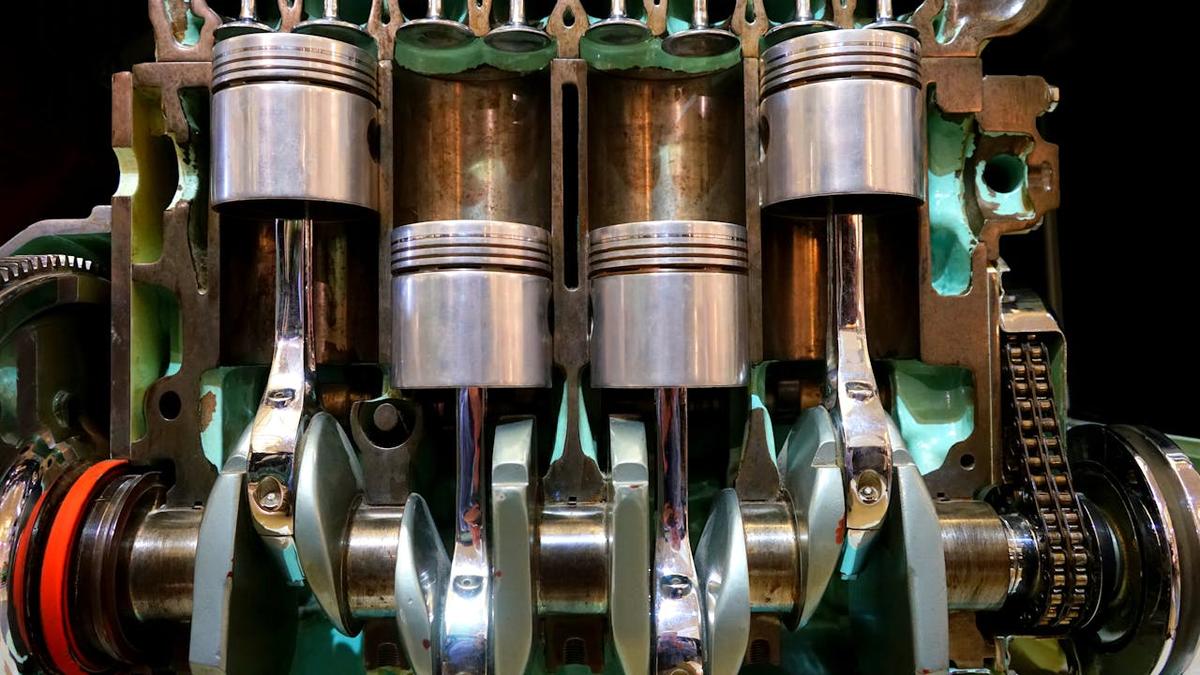
The Toyota 4Y engine has earned a rock-solid reputation in the automotive world for being nearly indestructible, even after decades of service. Whether powering forklifts, utility vehicles, or older Toyota models, the engine continues to impress mechanics and enthusiasts with its simplicity, durability, and consistency. In this Q&A-style article, we dive deep into what makes this powerplant such a standout and why it continues to be a top choice for restorers and industrial users alike.
What is the Toyota 4Y engine and why is it so well-known?
The Toyota 4Y engine is a 2.2-liter inline-4 gasoline engine originally developed for commercial and industrial applications. It’s most commonly found in vehicles like the Toyota HiAce, forklifts, and a variety of utility trucks. The engine features a simple OHV (overhead valve) design with a cast-iron block and aluminum head, allowing it to withstand rough usage and harsh environments. Its widespread use in both automotive and industrial equipment has led to a large base of users who appreciate its easy serviceability and legendary reliability. The engine’s balance of low-end torque and durability makes it an ideal workhorse, especially in settings where downtime is not an option.
What design features contribute to its long lifespan?
Several design choices contribute to the Toyota 4Y engine's remarkable durability. For starters, its cast-iron block construction provides excellent thermal stability and resistance to wear over time. The overhead valve (OHV) layout is mechanically simpler than overhead cam designs, resulting in fewer moving parts and, therefore, fewer things that can go wrong. The engine also runs relatively low compression and produces moderate power, which reduces internal stress. The 4Y’s cooling system is robust, ensuring optimal operating temperatures even under extended use. All these factors combine to create a reliable, stress-resistant engine that can often surpass 300,000 kilometers with minimal maintenance.
How easy is it to maintain the Toyota 4Y engine?
The Toyota 4Y engine is famously easy to maintain, even for novice mechanics. The simplicity of the engine’s design—fewer electronics, straightforward carburetion (or simple EFI systems in later models), and widely available parts—means that regular service like oil changes, valve adjustments, and gasket replacements are easy to perform. There’s also a strong aftermarket and OEM parts supply chain. You can find everything from complete rebuild kits to specific components like timing chains or rocker arms with minimal effort. For those looking to source quality parts, Diversity Spares' new car parts section is a solid place to start.
In what types of vehicles is the 4Y engine commonly found?
Though often associated with industrial machines, the Toyota 4Y engine has found its way into a wide variety of vehicles. You’ll commonly see it in Toyota HiAce vans, forklifts (especially from Toyota’s materials handling division), and even some compact trucks. Additionally, it's a popular swap option for off-road builds and custom utility vehicles due to its low-end torque and reliability. You can browse through some examples of vehicles that use this engine on Diversity Spares' vehicle listings. Its versatility makes it a go-to engine for those looking to restore older vehicles or repurpose industrial machines.
What makes it different from more modern engines?
Modern engines tend to be more complex, featuring turbocharging, direct injection, and a host of electronic control modules. In contrast, the Toyota 4Y engine embraces simplicity. It typically uses carburetors (with some fuel-injected variants), mechanical ignition systems, and a basic emissions setup. This lack of complexity means fewer things can fail. While modern engines are optimized for efficiency and emissions, the 4Y prioritizes longevity and dependability. It's not unusual to see older 4Y-equipped machines still in active duty while newer engines are already on their second or third major repair cycle.
What are the common issues, and how are they usually resolved?
Even the reliable Toyota 4Y engine isn't entirely problem-free. Common issues include oil leaks from aging gaskets, worn timing chains, and sometimes carburetor performance problems due to dirt or fuel quality. Fortunately, these are generally inexpensive and easy to fix. Gaskets and seals can be replaced with basic hand tools, and timing components are straightforward to access. In cases where you need to source used parts or even an entire replacement engine, Diversity Spares' used parts section offers a range of options to keep your engine running smoothly.
How does the Toyota 4Y engine perform under heavy-duty conditions?
The 4Y engine was essentially built for punishment. It’s often used in forklifts that operate for 8+ hours a day in extreme temperatures, dusty environments, and under constant load. This real-world endurance test has proven time and again that the Toyota 4Y engine can handle serious abuse. Its thermal stability, combined with a reliable lubrication system, allows it to perform consistently in these conditions without overheating or seizing. In fact, many forklift fleets intentionally choose 4Y-powered models due to their minimal downtime and longevity—an essential factor in high-output industrial operations.
Can the 4Y engine be modified or upgraded for better performance?
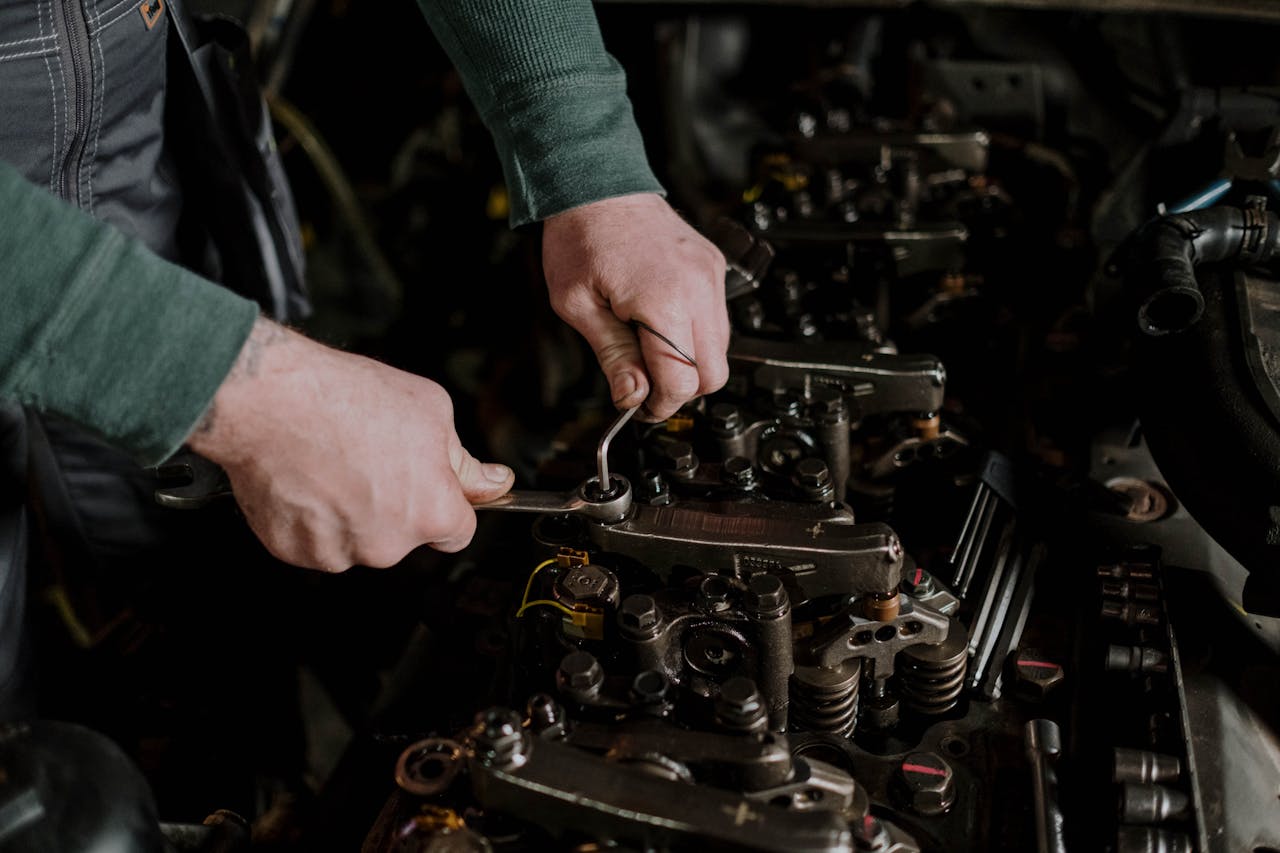
Absolutely. While the engine isn’t designed for high horsepower output, you can still improve its performance through a few key upgrades. Popular mods include a switch to EFI for improved fuel efficiency and throttle response, high-performance ignition systems, and mild porting or camshaft upgrades. Some owners also opt to install aftermarket headers or a better-flowing carburetor. Here's a quick table of common mods:
| Upgrade | Benefit |
|---|---|
| EFI Conversion | Improved fuel economy and throttle control |
| Electronic Ignition | More reliable spark and better performance |
| Performance Exhaust | Enhanced airflow and slight power gains |
| Mild Camshaft | Improved mid-range torque |
| Aluminum Radiator | Better cooling, especially in hot climates |
If you’re planning a performance build or engine swap, Diversity Spares' engine import service is worth checking out.
How does the Toyota 4Y engine compare to similar engines from other brands?
Compared to rivals like the Nissan Z-series or Mitsubishi 4G engines, the Toyota 4Y engine often comes out ahead in terms of simplicity, reliability, and parts availability. While the other engines may offer more modern features or slightly higher performance figures, they often require more maintenance and are less forgiving of neglect. The 4Y’s rugged nature and industrial roots make it ideal for applications where downtime is costly. It’s the engine you want when you need to "set it and forget it." Its ongoing popularity also ensures that support from parts suppliers and mechanics remains strong, unlike more obscure engine families.
Is it still worth investing in a Toyota 4Y engine today?
If you're looking for an engine that just works—with minimal fuss, easy repairs, and long service life—the Toyota 4Y engine is still a smart choice in 2025. Whether you're restoring a classic utility vehicle or powering industrial equipment, this engine continues to deliver where it counts. Its parts are readily available, and the community knowledge base is extensive. For buyers needing support or sourcing, the Diversity Spares contact page is a good place to start your journey. The 4Y may not be flashy, but it earns respect by showing up every day and doing its job without complaint.