
Why the VQ Engine Still Dominates After Two Decades of Evolution
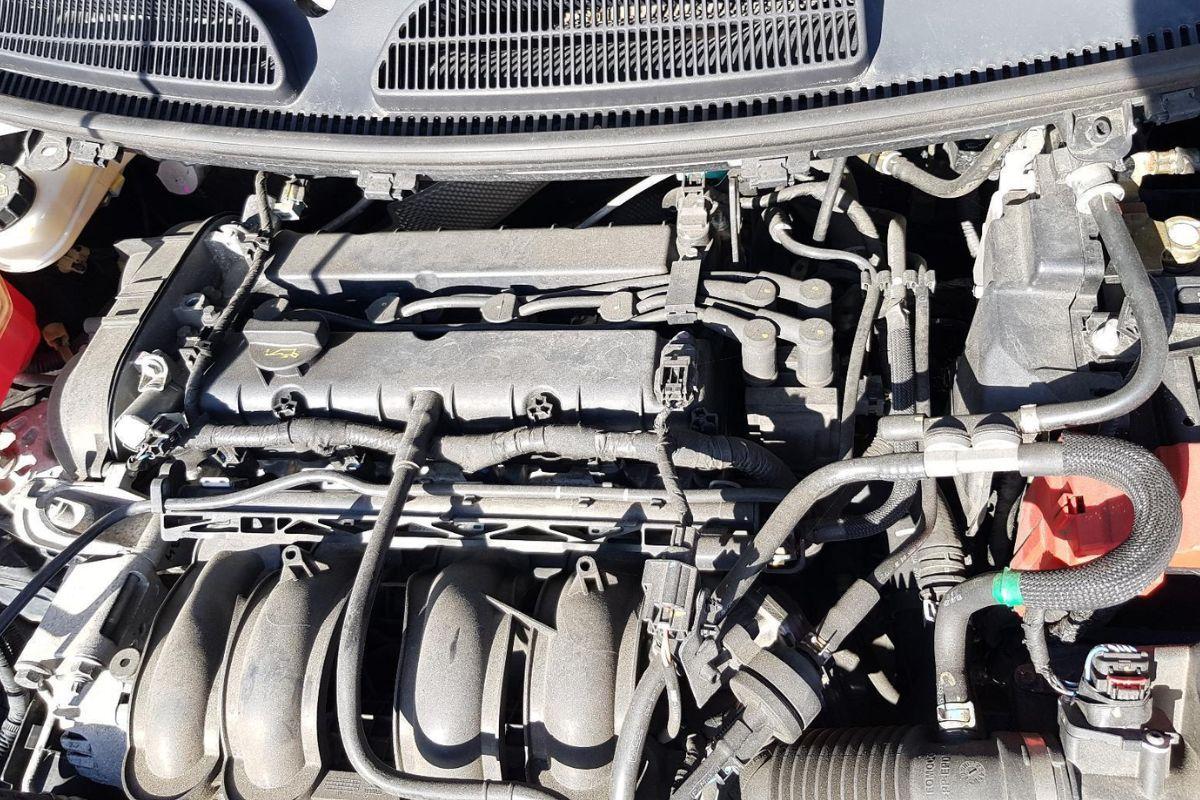
The vq engine has earned legendary status among enthusiasts, mechanics, and tuners alike. First introduced by Nissan in the mid-1990s, this V6 powerplant continues to be a go-to choice for performance and reliability in both street and motorsport applications. But what exactly keeps the VQ engine relevant after more than 20 years? Let’s break down its enduring appeal.
What Is the VQ Engine and Why Is It So Respected?
The vq engine is Nissan’s series of V6 engines, starting with the VQ30DE and evolving into multiple variations including the VQ35DE, VQ35HR, and VQ37VHR. It has been featured in models such as the Nissan 350Z, Maxima, Murano, Pathfinder, and Infiniti G and Q-series vehicles. The VQ is celebrated for its lightweight aluminum block, smooth power delivery, high-revving capabilities, and overall balance between performance and efficiency. It has won multiple “Wards 10 Best Engines” awards and has become one of the most successful V6 families ever produced.
How Has the VQ Engine Evolved Over the Years?
The evolution of the vq engine has been steady and focused on refinement. Starting with the SOHC VQ30DE, Nissan quickly transitioned to DOHC setups, then introduced variable valve timing (CVTCS), and eventually incorporated VVEL (Variable Valve Event and Lift) with the VQ37VHR. The later generations also feature improved cooling systems, forged internals, and more responsive throttle characteristics. These upgrades weren’t just for performance—they also addressed emissions, reliability, and drivability. Today, the VQ37VHR still powers new models like the Nissan 370Z and Infiniti Q50.
What Makes the VQ Engine a Favourite for Swaps and Builds?
Thanks to its modular design and widespread availability, the vq engine is a top choice for engine swaps. It fits well in rear-wheel-drive and even front-wheel-drive configurations. It’s also incredibly tuner-friendly, with a massive aftermarket supporting turbo kits, intake upgrades, exhausts, standalone ECUs, and more. Whether you're dropping a VQ35 into a classic Silvia or building a drift missile, the engine’s balance of power, cost, and reliability makes it ideal. You can find high-quality units for swaps in our engine imports section.
Which Cars Come with the VQ Engine?
The list of vehicles powered by the vq engine is extensive and includes:
| Model | Engine Variant |
|---|---|
| Nissan 350Z | VQ35DE, VQ35HR |
| Nissan 370Z | VQ37VHR |
| Infiniti G35/G37/Q50 | VQ35DE, VQ37VHR |
| Nissan Maxima | VQ30DE, VQ35DE |
| Nissan Pathfinder | VQ35DE |
| Nissan Murano | VQ35DE |
This broad application has ensured a consistent supply of both new and used car parts, making maintenance and performance upgrades more accessible.
How Reliable Is the VQ Engine for Long-Term Use?
The vq engine is known for being reliable, with many examples surpassing 300,000 km with regular maintenance. Common weak points include oil consumption (especially on early VQ35DEs), coolant leaks, and timing chain noise in high-mileage units. These issues are manageable and well-documented, making preventive maintenance easier. Regular oil changes, proper coolant mix, and using OEM-quality parts go a long way in extending engine life. For replacement components, browse our stock of new car parts.
Can the VQ Engine Handle Boost?
Yes, and exceptionally well. The vq engine—particularly the VQ35HR and VQ37VHR—has been proven to handle turbo and supercharger setups when built correctly. While the stock internals can manage mild boost (5–7 psi), going higher requires forged pistons, upgraded fuel systems, and tuning. Many turbocharged VQ builds push well over 500 hp. If you're considering forced induction, start by contacting our team for upgrade advice or use our spare parts form to find what you need.
What Makes the VQ Engine Sound So Good?
One of the most distinctive traits of the vq engine is its unique exhaust tone—a raspy, high-revving growl that sets it apart from other V6s. The combination of firing order, exhaust manifold design, and intake setup gives it a sound that enthusiasts love. With the right exhaust system, it’s one of the most satisfying V6 engines to listen to, whether on the street or the track.
How Does the VQ Engine Compare to Other V6 Engines?
Compared to other popular V6s—like Toyota’s 2GR-FE or Honda’s J-series—the vq engine is more performance-oriented. It revs higher, delivers more aggressive power curves, and has a stronger motorsport heritage. However, it's also less refined in daily driving compared to smoother V6s found in sedans. But for those prioritizing throttle response and tuning potential, the VQ often comes out on top. To explore compatible vehicles, visit our vehicle parts section.
Is It Still Worth Buying a Car with a VQ Engine in 2025?
Absolutely. Cars equipped with the vq engine remain solid buys if they have a full service history and show no major oil or cooling issues. Whether you’re buying a used 350Z or an Infiniti Q50, you’re getting a proven powerplant with great aftermarket support. Make sure to inspect timing chains, valve cover gaskets, and cooling systems, especially on older models. And if you need parts or a replacement engine, you can find everything in our shop.
Where Can You Get Help with VQ Engines, Parts, and Swaps?
If you're planning a VQ swap, rebuild, or just need solid parts advice, LM Diversity Spares is here to help. With decades of experience and a large inventory of VQ engines and components, we’ll help you source the right parts for the job. Our contact page makes it easy to reach out—and don’t forget to browse our blog for more engine deep-dives and technical tips.
Wikipedia resource:
Nissan VQ engine – Wikipedia